Planting
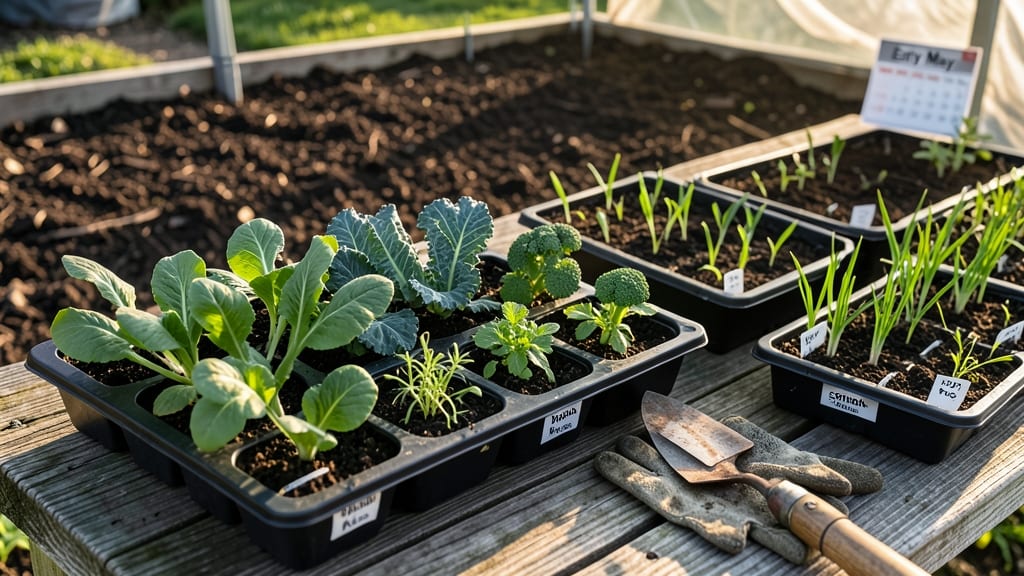
Planting a 🥬 vegetable garden in New Brunswick at the right time means the difference between a bumper crop and a sad, wilted disappointment.
New Brunswick’s diverse microclimates—from coastal warmth to inland chill—can turn gardening success into a guessing game if you plant at the wrong time. Get the exact zero-frost-risk planting windows for your region to maximize yields and avoid costly mistakes.
Whether you’re in the milder coastal areas or the cooler inland zones, timing is everything. Warm-season crops like tomatoes and peppers need to wait until after the last frost—usually mid-May—but cool-season greens can go in as early as late April.
Below, I break down the best planting windows for your specific location, plus tips for extending your growing season and making the most of New Brunswick’s short but productive harvest months.
New Brunswick planting zones: exact start dates by microclimate for zero-frost crops
New Brunswick’s three distinct planting zones create unique challenges for gardeners. Coastal areas like St. John and Grand Manan enjoy 10-14 days earlier frost-free dates than inland regions, while northern areas like Edmundston face shorter growing seasons.
Understanding these differences is key to planting heat-loving crops like tomatoes and peppers at the perfect time.
For coastal regions, where ocean breezes moderate temperatures, you can start planting warm-season vegetables as early as May 1st. Inland areas like Fredericton typically wait until May 15th, while northern zones should hold off until late May.
These timelines ensure your plants avoid late spring frosts that can devastate young seedlings.
Tomatoes, peppers, and squash are particularly sensitive to frost, so timing is everything. In Zone 5b (most of NB), these crops should only go into the ground after May 20th in coastal areas and June 1st in northern regions. Using row covers or cold frames can extend your planting window by 2-3 weeks in risky areas.
Here’s how three key microclimates differ in their frost-free planting windows:
The coastal advantage means gardeners in St. John can plant tomatoes by May 10th, while those in Edmundston must wait until June 5th. This 35-day difference highlights why localized planning is critical.
Even within regions, microclimates vary—urban areas may be 2-3°F warmer than rural spots due to heat islands.
For peppers, which are even more frost-sensitive, coastal gardeners can start May 15th, but northern growers should delay until June 10th. Squash, while hardier, still benefits from earlier planting in warmer zones.
Always check 7-day forecasts before transplanting seedlings, as unpredictable late frosts can occur even after average dates.
If you’re growing heat-tolerant varieties like ‘Early Girl’ tomatoes or ‘Jalapeño’ peppers, coastal gardeners can push the envelope by 1-2 weeks earlier. For northern regions, consider fast-maturing varieties like ‘Early Wonder’ tomatoes (50 days to harvest) to maximize yields before first frost in mid-October.
Pro tip: Soil temperature matters more than air temperature. Use a soil thermometer to confirm 50°F+ for tomatoes and 60°F+ for peppers before planting. Coastal soils warm faster due to moderating ocean effects, while inland areas may need black plastic mulch to speed up warming.
Don’t forget about fall planting! In coastal zones, you can sow spinach and kale as late as August 15th, while central regions should finish by August 1st.
Northern areas have a very short fall window, so focus on fast crops like radishes or lettuce planted by July 20th.
By aligning your planting schedule with your specific microclimate, you’ll avoid the heartbreak of frost-damaged seedlings and enjoy a bountiful harvest of tomatoes, peppers, and squash
How to adjust planting times for your specific location using NB’s unique climate quirks
New Brunswick’s microclimates can make all the difference between a thriving garden and a failed experiment. For example, coastal areas like St. John often experience warmer springs 2-3 weeks earlier than inland regions like Fredericton.
Meanwhile, urban heat islands in cities like Moncton can push planting dates 10 days earlier than surrounding rural areas.
Even within a single region, wind exposure and soil drainage can shift your planting schedule. Windy sites near the Bay of Fundy may require hardier varieties or protective barriers, while sheltered spots can support earlier planting. Below, I’ll show you how to fine-tune your schedule based on these local factors.
🌱
⚠️ Watch for False Springs!
New Brunswick’s unpredictable frost returns can ruin early plantings. Even after warm spells in April or May, late frosts often hit. Use Environment Canada alerts and wait until mid-May for warm-season crops like tomatoes and peppers.
For cool-season crops (spinach, kale), start seeds indoors 4-6 weeks before last frost (around April 15 in most areas).
Start by checking your local frost-free dates—these vary wildly across NB. For instance, Grand Manan typically sees its last frost by April 20, while Edmundston may wait until May 10. Use these dates to calculate your planting windows:
For urban heat islands, adjust your schedule 1-2 weeks earlier than rural guidelines. Pavement and buildings trap heat, creating microclimates that can support tomatoes or peppers 10 days sooner than nearby farms. Conversely, wind-exposed sites (like coastal headlands) may need hardier varieties or delayed planting by 1-2 weeks.
Early-spring soil conditions also demand attention. If your soil stays cold and soggy past May 1, opt for fast-sprouting crops like radishes or peas instead of slower germinators like carrots. Test your soil’s temperature—it should reach 50°F (10°C) for most vegetables before planting.
Finally, leverage Environment Canada’s alerts for real-time adjustments. Sign up for frost warnings and heat advisories to protect tender seedlings. For example, if a late-May frost is forecasted, cover your tomato plants or delay transplanting until after the warning passes.