
Tools
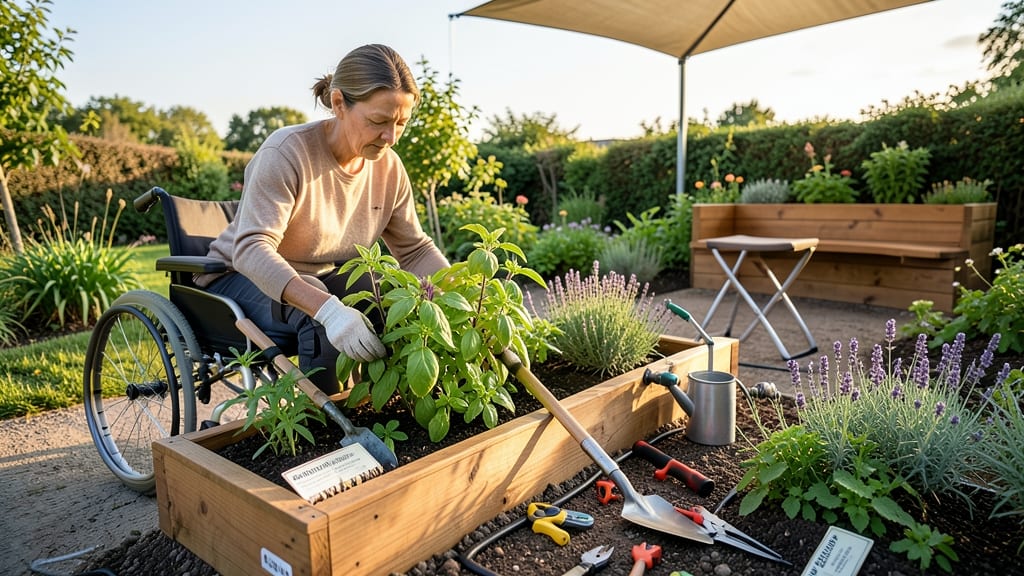
Gardening for people with disabilities creates accessible growing spaces through specialized equipment and smart strategies that reduce physical barriers. Adaptive solutions like raised beds, ergonomic tools, and automated systems transform traditional gardening into an inclusive, manageable hobby.
Accessible gardening focuses on removing obstacles that might limit participation, whether due to mobility issues, limited strength, or sensory challenges. Adaptive tools like extended-reach pruners and lightweight containers make tasks easier, while vertical gardening eliminates bending and kneeling.
Many gardeners also benefit from voice-controlled systems that handle watering and lighting without manual effort. The key is customization—every gardener’s needs are unique, so solutions should prioritize both function and comfort. 🌿
For those with limited mobility, raised beds and wheelchair-accessible planters eliminate the need to bend over, while sensory-friendly materials (like smooth-edged tools) reduce discomfort. Even small adjustments, such as non-slip mats or one-handed seeders, can make a big difference in daily gardening tasks.
The goal is to create a space where everyone can enjoy gardening without frustration or strain.
💡 In This Article
- Adaptive Gardening Tools for Mobility and Dexterity Challenges
- Low-Effort Gardening Techniques for Limited Strength or Stamina
Adaptive gardening tools for mobility and dexterity challenges
Adaptive gardening tools are designed to compensate for physical limitations by incorporating ergonomic principles and specialized materials. For example, long-handled pruners with extended reach (typically 24-36 inches) allow gardeners with limited mobility to trim plants without bending or stretching.
These tools often feature lightweight aluminum or titanium construction, reducing strain on the arms and hands. The handles are frequently wrapped in foam grips or rubberized coatings to prevent slipping, which is especially helpful for those with arthritis or Parkinson’s disease.
One-handed seeders and planters are another game-changer, designed with lever mechanisms or one-touch dispensers that require minimal grip strength. These tools often include adjustable depth settings to accommodate different soil types and planting needs, making them versatile for various gardening tasks.
For sensory challenges, some tools incorporate weighted handles or vibrating alerts to help users gauge pressure and positioning, ensuring precision without relying solely on tactile feedback.
Ergonomic design principles play a crucial role in tool functionality. Tools with angled or contoured handles reduce wrist strain, while pivoting joints allow for easier maneuvering around obstacles. For instance, a pivoting trowel can be used with one hand and adjusted to different angles, making digging and planting more accessible.
Material choices matter too—lightweight plastics and carbon fiber are often preferred over heavy metals to minimize fatigue during prolonged use.
Sensory-friendly planters are another innovation, featuring smooth, rounded edges and non-slip bases to prevent accidents. Some even include built-in LED lights for visibility in low-light conditions, which is particularly useful for those with visual impairments.
These planters often come with removable trays for easy cleaning and maintenance, reducing the need for bending or reaching. The combination of these features ensures that gardening remains a safe and enjoyable activity for everyone.
For those with spinal cord injuries or limited dexterity, tools like foot-pedal operated seeders or voice-activated sprayers can be integrated into gardening routines. These tools leverage technology to bypass physical limitations, allowing users to control planting and watering with minimal effort.
The key is to choose tools that align with individual needs, ensuring that gardening remains a fulfilling and stress-free experience.
Consider these key factors when selecting tools: weight (aim for under 2 pounds for handheld tools), grip texture (non-slip surfaces are essential), and adjustability (tools that can adapt to different tasks). By prioritizing these elements, gardeners can create a more inclusive and comfortable gardening environment.