
Tools
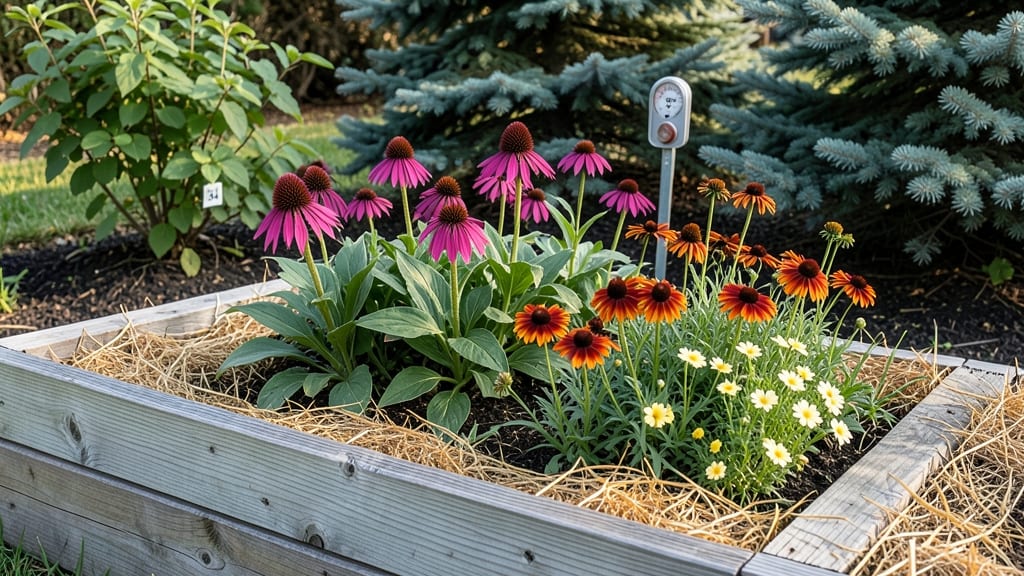
Gardening in Alberta demands smart planning for its short growing seasons, brutal winters, and inconsistent soil quality. Focus on cold-hardy perennials, raised beds for nutrient-poor soil, and protective covers to extend your harvest. Prioritize disease-resistant varieties that thrive in Alberta’s climate zones 3-5.
Alberta’s climate throws unique challenges at gardeners, but the right approach turns these obstacles into opportunities. 🌱 The province’s climate zones 3-5 mean you’ll need plants that survive -30°F to -10°F winters, while variable soil types—from heavy clay to sandy loam—require smart amendments like compost or raised beds.
I’ve found that starting with native perennials like coneflowers or low-maintenance veggies such as potatoes cuts down on winter losses. The key is matching plants to microclimates—your backyard might have a sun-warmed south-facing spot where you can push the limits!
For beginners, I recommend starting small with hardy vegetables like kale or Swiss chard, which tolerate cooler temperatures, and fruit trees such as apple varieties bred for Alberta’s climate. These choices give you a head start on resilience while you learn the rhythm of Alberta’s growing season.
Don’t forget that season extenders like cold frames or row covers can add 2-4 extra weeks of growing time in both spring and fall.
💡 In This Article
- Understanding Alberta’s Unique Gardening Climate Zones
- Top Beginner-Friendly Plants for Alberta Gardens
Understanding Alberta’s unique gardening climate zones
Alberta’s climate zones—primarily 3-5 on the USDA hardiness map—create a challenging yet rewarding environment for gardeners. The key difference here is the short growing season, typically spanning just 90-120 days in most regions, with last spring frosts often hitting mid-May and first fall frosts arriving by mid-September.
This compressed timeline means your plant choices must prioritize speed and cold tolerance. For example, while tomatoes thrive in zone 7+ with 180 frost-free days, Alberta gardeners must opt for faster-maturing varieties like 'Stupice' or 'Mountain Merit' that can produce fruit in 50-60 days.
The province’s variable soil conditions further complicate things. Southern Alberta often features clay-heavy soils that drain poorly, while northern regions have sandy loam that loses moisture quickly. These differences affect everything from root development to nutrient availability.
For instance, clay soils can hold up to 40% more water than sandy soils but become compacted when frozen—a major issue during Alberta’s -20°F to -40°F winters. This is why raised beds with amended compost (30-40% organic matter) become a game-changer for plant health.
Microclimates play a surprising role too. A south-facing wall can create a 5-10°F warmer zone than the surrounding area, allowing you to grow marginally less hardy plants. I’ve seen gardeners in Calgary extend their season by 3-4 weeks using black plastic mulch, which absorbs sunlight and warms the soil.
Similarly, low-lying areas may experience earlier frost due to cold air settling, while hillsides stay warmer. Understanding these microclimates helps you position heat-loving plants like peppers in the sunniest spots while protecting cold-sensitive varieties like basil with row covers.
Hardiness ratings are your best friend when selecting plants. A zone 4 plant like the Russian hardy kiwi (Actinidia arguta) can survive Alberta winters, while a zone 5 perennial such as black-eyed Susan (Rudbeckia) thrives in southern Alberta but may struggle in Edmonton.
Always check the minimum winter temperature a plant can tolerate—some perennials like lavender (zone 5) die back to the ground but regrow, while others like daylilies (zone 3) survive full winter dormancy. This distinction saves you from costly mistakes.
Alberta’s climate also brings unique pest and disease challenges. The dry heat of summer can stress plants, making them vulnerable to aphids and spider mites, while excess moisture in spring can promote fungal diseases like powdery mildew.
Native plants like coneflowers (Echinacea) have evolved resistance to these local threats, making them low-maintenance choices. Even vegetables benefit from native companions—planting garlic around roses deters Japanese beetles, a growing problem in Alberta’s warmer southern regions.
For precise planning, use Alberta’s Plant Hardiness Map from the Alberta Agriculture and Forestry website, which overlays frost dates and soil types. This tool helps you match plants to your specific location’s last frost date and first frost date.
For example, in zone 3 (northern Alberta), you might aim for plants that mature in 45 days or less, while zone 5 (southern Alberta) allows for slightly longer seasons.
The map also highlights microclimate hotspots, like urban areas that stay 3-5°F warmer than rural zones due to the "urban heat island" effect.
Here’s a quick reference for Alberta’s key climate factors:
- Growing Season: 90-120 days (varies by zone)
- Last Spring Frost: May 1-15 (earlier in north)
- First Fall Frost: September 15-October 1 (later in south)
- Winter Low: -20°F to -40°F (zone 3)
- Summer High: 80-95°F (with dry heat stress)
Knowing these specifics lets you time plantings perfectly—like starting cold-hardy peas in early May or protecting tomato seedlings with cloches until mid-June. 🌿