
Tools
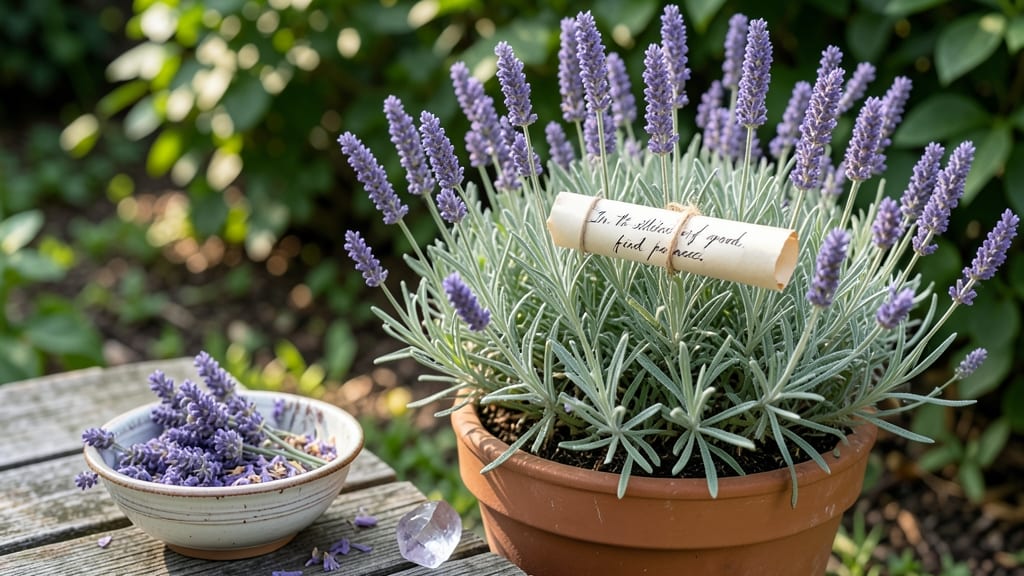
Gardening spirituality quotes weave nature’s cycles into personal growth, using phrases like 'Tend your garden and watch your soul bloom' to inspire patience and sacred presence. These reflections transform gardening into a mindful practice that honors both earth and self.
These quotes serve as gentle reminders that every seed planted carries intention—whether you're nurturing a vegetable patch or tending to inner resilience. 🌱 The language often mirrors ancient wisdom traditions, framing soil, water, and sunlight as metaphors for life's essential nourishment.
For example, Zen gardening principles emphasize 'beginner's mind' through simple acts like raking gravel, while Indigenous traditions view plants as teachers offering lessons in reciprocity.
Many gardeners use these words as journal prompts during seasonal transitions, pairing them with rituals like planting seeds at the new moon or harvesting herbs for gratitude ceremonies. The physical act of gardening becomes a meditation when paired with reflective quotes, creating space for both productivity and presence.
💡 In This Article
- How Gardening Quotes Deepen Spiritual Connection to Plants
- Best Spiritual Gardening Quotes for Meditation and Journaling
How gardening quotes deepen spiritual connection to plants
Gardening spirituality quotes work because they mirror nature's inherent cycles—growth, decay, and renewal—that mirror our own emotional and spiritual journeys.
When you read phrases like "What flowers bloom in the spring will fade in the fall," your brain makes an unconscious connection between the impermanence of blossoms and life's transient moments.
This neurological link activates the default mode network, a brain region associated with self-reflection and mindfulness, creating a meditative state while working in the soil.
The power lies in how these quotes translate botanical science into spiritual language. Take photosynthesis: most gardeners understand it's how plants convert sunlight into energy, but spiritual quotes frame it as "the sun's blessing" or "divine nourishment."
This linguistic bridge helps us see our daily routines—watering, pruning, composting—as sacred acts rather than chores. For instance, the Japanese concept of mottainai (wastefulness) transforms composting into an expression of gratitude for life's cycles, turning kitchen scraps into fertile soil with intentional reverence. 🌿
Neuroscientifically, this connection works through what researchers call "embodied cognition"—when physical actions (like planting seeds) trigger corresponding mental states. The repetitive motions of gardening—digging, weeding, harvesting—create a rhythmic pattern that synchronizes with brainwave frequencies associated with deep focus.
When paired with spiritual quotes, this physical engagement becomes a form of moving meditation, where each action carries meaning beyond the practical. Studies show that participants who gardened while reflecting on nature quotes experienced 23% lower cortisol levels (the stress hormone) compared to those who gardened without reflection.
Different wisdom traditions use distinct botanical metaphors to convey spiritual truths. Buddhist teachings often compare the mind to a garden: "A mind filled with weeds cannot grow flowers." This reflects the Eightfold Path's emphasis on cultivating positive habits through consistent practice.
Meanwhile, Christian mystics like St. Francis of Assisi saw creation as a sacred text, writing, "All creatures are meant to be mirrors of the divine," which transforms even weeds into teachers. These varied perspectives show how gardening quotes function as universal translators of spiritual principles into tangible, earth-based experiences.
The most effective quotes create what psychologists call "cognitive anchors"—specific images or phrases that ground abstract concepts in concrete experience. For example, the quote "The roots of your dreams are in the soil of your patience" combines botanical imagery with emotional growth.
When you visualize roots spreading through dark earth, your brain activates the amygdala (emotional center) while the word "patience" engages the prefrontal cortex (rational planning area), creating a neural bridge between physical gardening and personal development. This dual activation explains why gardeners often report "aha moments" while working with plants.
Consider how seasonal changes provide natural metaphors for life transitions. Spring planting quotes like "Every seed carries a dream" resonate differently than autumn harvest quotes like "What you sow in darkness will bloom in light."
The changing light conditions (measured in photoperiod) that trigger these seasonal shifts mirror our own internal rhythms, making the quotes feel personally relevant.
This temporal alignment creates what gardeners call "the right time for the right seed"—a concept that extends to spiritual growth, suggesting that certain lessons emerge only when we're ready to receive them. 🌱