
Landscaping
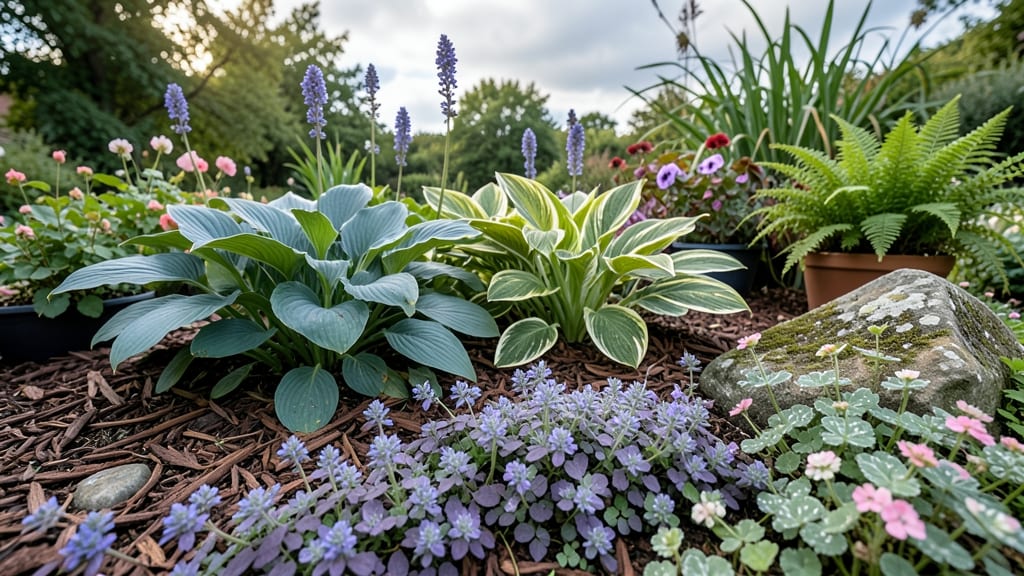
Creating a thriving shade garden in Zone 6 doesn’t mean settling for dull, lifeless plants — the right shade garden ideas can transform even the darkest corners into a lush, vibrant retreat.
Struggling to create a lush, vibrant garden in Zone 6’s shady spots? You’re not alone — many gardeners think shade means sacrificing beauty, but the right 🌿 shade garden plants can turn dull corners into thriving, low-maintenance oases.
Zone 6’s climate offers the perfect balance for shade-loving perennials, shrubs, and ground covers that flourish without direct sun. From hostas and ferns to heucheras and astilbes, these plants thrive in partial to full shade, adding texture, color, and year-round interest.
In this guide, I’ll walk you through plant selection, layout tips, and seasonal care to design a shade garden that’s not only beautiful but also easy to maintain — no green thumb required.
 Best Window Placement
Top 10 low-maintenance shade-loving plants for Zone 6 gardens
If you’ve ever stared at a shady corner of your Zone 6 garden and wondered how to fill it with life, you’re in the right place. Shade doesn’t have to mean dull—it’s the perfect opportunity to grow lush perennials and easy-care shrubs that thrive without direct sun.
I’ve handpicked 10 shade-loving plants that are not only beautiful but also drought-tolerant and low-maintenance, perfect for busy gardeners.
These plants handle partial to full shade beautifully, making them ideal for north-facing yards, under trees, or along fences. Whether you’re aiming for foliage drama, delicate blooms, or ground cover, this list has you covered.
Plus, they’re all Zone 6 hardy, so they’ll bounce back year after year with minimal fuss.
Let’s start with hostas, the superstars of shade gardens. These perennial workhorses come in a rainbow of leaf colors and sizes, making them perfect for adding texture and contrast.
I love planting blue hostas like ‘Blue Angel’ for a cool pop of color, while golden varieties like ‘Francee’ add warmth to shady spots. Just be warned—slugs adore them, so consider using organic slug bait or beer traps if you notice damage.
How to design a stunning shade garden layout without direct sun
A shade garden in Zone 6 doesn’t have to be boring—it can be a lush, layered paradise with the right approach. The key lies in strategic plant placement, soil prep, and seasonal interest.
By focusing on height, texture, and color, you’ll create depth and visual appeal even without direct sunlight. Start by assessing your shade type: partial shade (2-6 hours of sun) or full shade (less than 2 hours). This determines which plants will thrive best in your space.
Before planting, amend your soil with organic matter like compost or well-rotted manure. Shade gardens often suffer from compacted, nutrient-poor soil, so improving drainage and aeration is critical. Aim for a moisture-retentive yet well-draining mix—this prevents root rot while keeping plants hydrated.
Mulch with wood chips or shredded bark to suppress weeds, retain moisture, and regulate soil temperature. This step alone can make the difference between a struggling garden and a thriving one.
🌿 Step-by-Step Shade Garden Layout Guide
-
Step 1: Plan Your Layers
Start with tall plants (4-6 ft) like hydrangeas or ferns at the back. Add medium-height perennials (2-3 ft) such as heucheras or astilbes in the middle. Finish with low-growing ground covers (6-12 inches) like ajuga or sweet woodruff up front. -
Step 2: Choose a Cohesive Color Palette
Opt for 3-5 colors to create harmony. For example, pair deep purple heucheras with silver foliage plants like lamium and white blooms from foxgloves. This ensures visual interest year-round, even when some plants are dormant. -
Step 3: Add Textural Contrast
Mix fine textures (e.g., hosta leaves) with bold foliage (e.g., gunnera or rhododendrons). Include variegated plants like Japanese painted ferns to catch light and add dimension. This creates a dynamic, inviting space that feels alive. -
Step 4: Incorporate Seasonal Interest
Plant early bloomers like bleeding heart (spring) alongside fall foliage (e.g., Japanese anemones) and evergreen shrubs (e.g., inkberry holly) for winter structure. This ensures your garden stays vibrant from March to November. -
Step 5: Mulch and Maintain
Apply a 3-inch layer of mulch to retain moisture and suppress weeds. Replenish annually and prune dead foliage in early spring. Avoid overwatering—shade gardens are prone to fungal diseases if soil stays soggy. Water deeply but infrequently, aiming for 1 inch per week during dry spells.
Don’t forget to group plants with similar water needs together to simplify care. For instance, hostas and ferns prefer consistently moist soil, while heucheras and sedums tolerate drier conditions.
This hydrozoning approach reduces maintenance and ensures each plant thrives in its ideal environment. Place moisture-loving plants near downspouts or low spots where water naturally collects.
For added visual impact, incorporate structural elements like ornamental grasses (e.g., Hakonechloa) or small shrubs (e.g., dwarf rhododendrons) to frame your garden. These add height and movement, even in low-light conditions.
Pair them with climbing plants like clematis or ivy on trellises or arbors to draw the eye upward and create a sense of depth.
Finally, rotate your plants seasonally to keep the garden dynamic. Swap out annuals like impatiens in spring for fall-blooming mums or chrysanthemums as temperatures drop. This simple trick extends your garden’s visual appeal and keeps it feeling fresh year after year.
With these strategies, your Zone 6 shade garden will become a serene, high-impact retreat.