
Vegetables
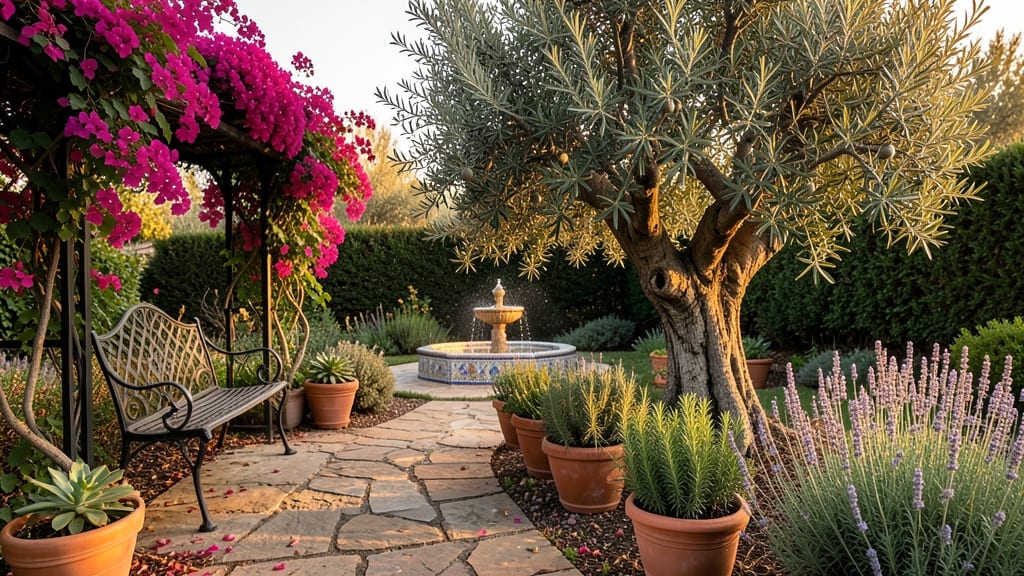
Exploring gardens in Barcelona reveals a perfect mix of Mediterranean botanicals, Gaudí-inspired architecture, and tranquil urban retreats like Park Güell’s vibrant mosaics and the peaceful Jardins de Joan Brossa. These green havens combine natural beauty with cultural landmarks for both relaxation and discovery.
Barcelona’s gardens aren’t just green spaces—they’re living museums where history and nature intertwine. 🌿 From Park Güell’s whimsical mosaic paths to the hidden charm of Jardins de Joan Brossa, each spot offers something unique.
The city’s Mediterranean climate nurtures vibrant flora year-round, while many gardens feature sculptures and fountains that make every visit feel like stepping into a living art gallery. Whether you’re seeking shade under ancient trees or a quiet corner to sketch, these urban oases deliver both serenity and inspiration.
What’s particularly special is how these gardens connect to Barcelona’s daily life. Many are easily accessible by metro or bike, making them perfect for lunch breaks or post-museum strolls. The seasonal changes bring new highlights—spring wildflowers, summer olive groves, and autumn’s golden foliage—so each visit reveals something fresh.
For locals and visitors alike, these green pockets remind us why Barcelona’s urban planning is so celebrated.
💡 In This Article
- Barcelona’s Most Iconic Gardens and Their Botanical Highlights
- How to Plan a Green Space Visit in Barcelona’s Urban Layout
Barcelona’s most iconic gardens and their botanical highlights
Barcelona’s gardens aren’t just green spaces—they’re carefully curated ecosystems where Mediterranean flora thrives alongside architectural masterpieces. Take Park Güell, for example: Antoni Gaudí’s whimsical designs blend with over 1,000 plant species, including cactus, bougainvillea, and olive trees, all adapted to the city’s mild, coastal climate.
The park’s trencadís mosaic paths (made from broken ceramic tiles) create a surreal landscape where every step feels like walking through a living painting. 🌸 The Hippocampus Fountain, with its undulating stone forms, was designed to mimic natural water flow, while the Oceanic Room features a stunning ceramic bench that curves like a wave.
The Jardins de Joan Brossa, a lesser-known gem, focuses on native Catalan plants like rosemary, lavender, and holm oak, creating a fragrant, low-maintenance oasis.
Unlike Park Güell’s structured beauty, this garden feels wild and organic, with dry riverbeds and mediterranean shrubs that thrive on minimal irrigation—a testament to Barcelona’s commitment to sustainable landscaping.
The Laberint d’Horta, Europe’s oldest hedge maze (built in 1791), showcases topiary artistry with boxwood and cypress shaped into intricate geometric patterns. The maze’s 1.5-kilometer path winds through 15,000 plants, offering a sensory journey where the scent of pine and rosemary fills the air.
What makes these gardens unique is how they adapt to Barcelona’s microclimates. Park Güell, for instance, sits at 173 meters above sea level, giving it cooler temperatures and less humidity than coastal areas, which is why you’ll find hardy succulents thriving alongside delicate flowers.
Meanwhile, the Jardins de Mossèn Costa i Llobera (a hidden botanical garden) features over 2,000 plant species, including rare cacti and carnivorous plants, thanks to its humid, shaded environment.
The gardens also play a cultural role—Park Güell’s monumental zone (a UNESCO World Heritage site) hosts free concerts in summer, while Laberint d’Horta’s annual light festival transforms the maze into a glowing labyrinth at night. 🌿
For those who love botanical diversity, the Jardins de Montjuïc offer a mix of formal gardens, olive groves, and a rose garden with over 1,000 varieties.
The Font Màgica (Magic Fountain) nearby turns into a water and light spectacle at night, proving how Barcelona’s gardens blend nature with spectacle.
Even the smaller gardens, like Passeig del Born’s hidden courtyards, feature citrus trees and bougainvillea, adding bursts of color to the city’s historic streets. The key takeaway? These gardens aren’t just pretty—they’re living ecosystems that reflect Barcelona’s climate, history, and creativity.
If you’re planning a visit, timing matters. Spring (March-May) brings wildflowers and blooming jasmine, while autumn (September-November) offers golden foliage and fewer crowds. Summer heat (up to 35°C/95°F) can be intense, so early mornings or late afternoons are ideal for exploring.
And don’t miss the seasonal events—Park Güell’s nighttime light shows in summer or the Laberint d’Horta’s Halloween maze are unforgettable experiences. 💫