
Vegetables
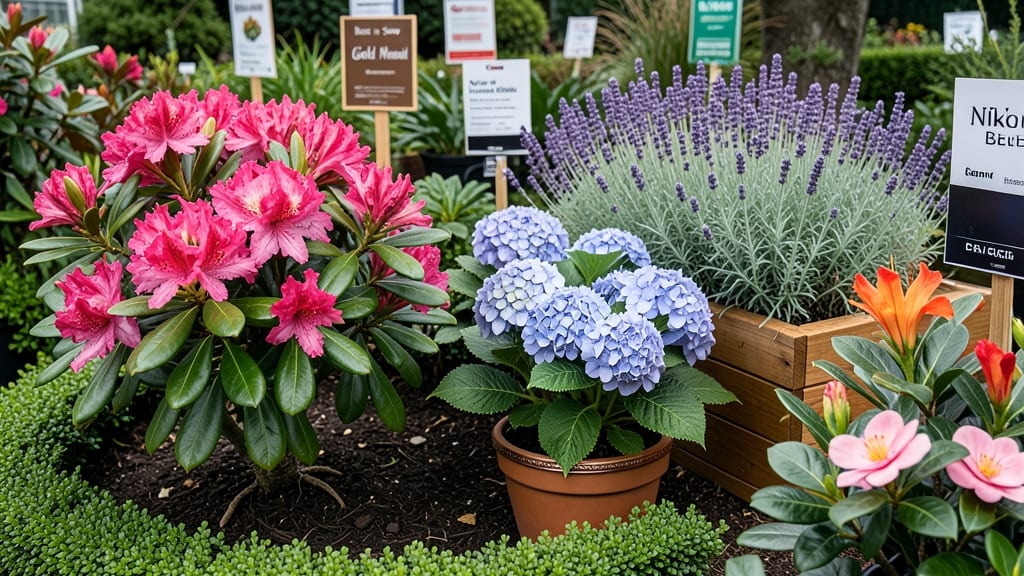
The Gardens World Show highlights vibrant floral exhibits, expert gardening workshops, and hands-on demonstrations featuring cutting-edge plants, seed innovations, and sustainable landscaping from international vendors. Attendees can tour specialty gardens, connect with horticulture experts, and explore breakthroughs in organic and urban gardening techniques.
This annual horticulture extravaganza stands out by blending education with inspiration, making it a must-visit for both hobbyists and professionals. 🌿 With a growing focus on climate-resilient gardening, you’ll find rare plant varieties and workshops on vertical farming—perfect for small-space gardeners.
The show’s interactive demos, like seed-saving techniques and hydroponic setups, let you test trends before bringing them home.
What sets this year’s event apart is its emphasis on global sustainability, featuring exhibitors from regions like Scandinavia and Southeast Asia sharing their native plant adaptations. Whether you’re curious about drought-resistant succulents or urban rooftop gardens, the show’s curated exhibits and expert talks provide actionable takeaways for every skill level.
💡 In This Article
- Key Themes and Trends at This Year’s Gardens World Show
- Must-See Exhibits and Workshops for Garden Enthusiasts
Key themes and trends at this year’s gardens world show
This year’s Gardens World Show is placing a spotlight on climate-resilient gardening, a theme driven by rising global temperatures and water scarcity. Exhibitors are showcasing plants that thrive with minimal irrigation, like drought-tolerant lavender and native grasses, which require up to 70% less water than traditional lawns.
The science behind these selections involves deep root systems that access groundwater and waxy leaf coatings that reduce evaporation—perfect for gardens facing 10-15°F warmer summers than decades past.
Another standout trend is vertical gardening, where space-efficient systems like hydroponic towers and living walls are demonstrating yields 3-5 times greater per square foot than ground-level plots.
These setups use LED grow lights tuned to specific plant wavelengths (400-700nm), mimicking sunlight while cutting energy use by 40% compared to traditional bulbs. Visitors can even test these systems hands-on, growing herbs like basil in 10-minute demos that reveal how pH-balanced nutrient solutions accelerate growth.
Native plant restoration takes center stage with exhibits featuring heirloom seed varieties adapted to local ecosystems. For example, black-eyed Susan and coneflowers support 20% more pollinators than non-native alternatives, while requiring no pesticides.
The show’s expert panels explain how these plants improve soil health by 25-30% annually through deep root networks that break up compacted earth—a critical fix for urban gardens where topsoil is often just 6 inches deep.
Urban cultivation is another hot topic, with demonstrations of container gardening systems that fit balconies and rooftops. One booth features self-watering planters with moisture sensors that trigger irrigation when soil dries to 30% moisture content, saving 50% more water than manual watering.
These systems use biodegradable coir fiber instead of peat moss, reducing carbon footprints by 35% per plant.
For those interested in technology, the show highlights smart gardening tools like soil probes that measure 14 key nutrients in real-time via Bluetooth. These devices cost around $150-$200 but can boost harvests by 20-40% by preventing deficiencies before they appear.
The interactive demos let attendees see how these tools adjust watering schedules based on weather forecasts, preventing overwatering during 50°F nights when evaporation drops.
Don’t miss the sustainable landscaping zone, where exhibitors demonstrate how to create rain gardens that filter runoff while adding beauty. These systems use layered plants—like sedges and rushes at the edges—to trap pollutants before water reaches storm drains.
The show’s experts explain how a 10-foot-wide rain garden can reduce runoff by 30% during heavy storms, protecting local waterways.