
Tools
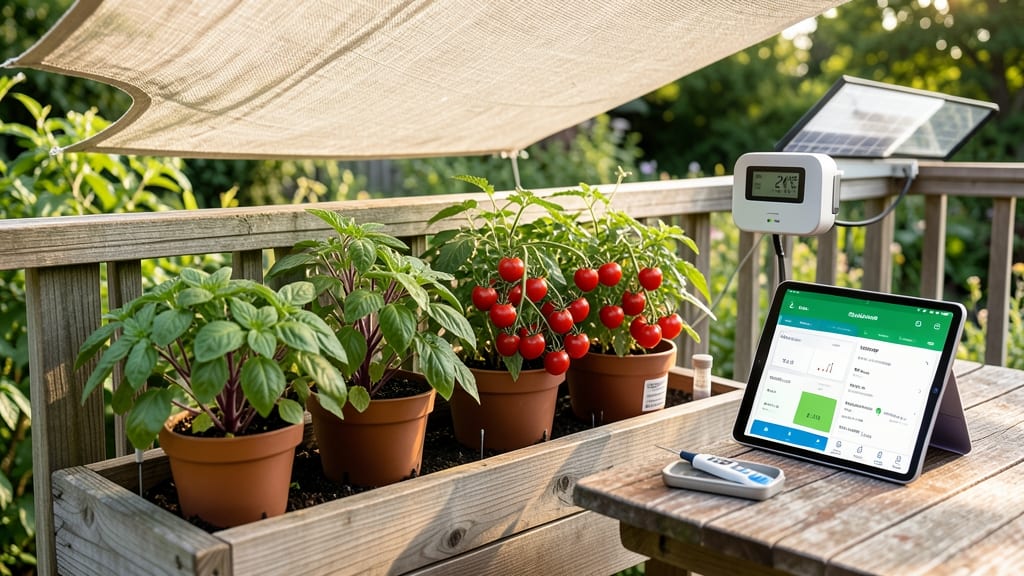
A smart gardening system automates plant care by integrating IoT sensors, real-time monitoring, and automated controls to track soil conditions, environmental factors, and plant health, ensuring precise resource allocation for optimal growth.
These systems combine multiple technologies—like capacitive soil moisture sensors, weather stations, and AI-driven analytics—to make data-backed decisions. 🌱 For example, they can adjust irrigation when soil dries beyond a set threshold or trigger LED grow lights during cloudy days.
The beauty lies in their ability to adapt: a $200 starter kit might cover a small herb garden, while commercial setups for large farms can cost tens of thousands but deliver measurable yield increases through water and energy savings.
What sets them apart is their scalability. A beginner might start with a single moisture sensor and basic controller, while advanced users can layer in CO₂ monitors, pest detection cameras, and automated fertilizer dispensers.
The trade-off? Initial costs can be steep, but the long-term payoff—like reduced water bills and fewer failed crops—often justifies the investment for serious gardeners.
💡 In This Article
- IoT Sensors and Automation in Smart Gardening Systems
- Cost Analysis: DIY vs. Premium Smart Gardening Setups
IoT sensors and automation in smart gardening systems
At the heart of these systems are IoT sensors that act like a plant's nervous system, constantly gathering data to make real-time adjustments.
Capacitive sensors, for example, measure soil moisture by detecting changes in electrical capacitance—unlike resistive sensors that rely on conductive probes, they don't require direct contact with soil particles, making them more durable and accurate in sandy or rocky soils.
These sensors typically have an accuracy range of ±2-5% volumetric water content, which means they can precisely detect when your basil needs watering before wilting occurs.
The magic happens when these sensors feed data into a central controller that runs AI algorithms. Imagine your tomato plants telling the system they're thirsty—capacitive sensors detect moisture levels below 30% volumetric water content, triggering an automated irrigation valve to deliver just enough water without over-saturating the roots.
Weather stations add another layer by adjusting for local conditions: if the forecast predicts 90°F heatwave, the system might increase shade cloth deployment or reduce watering times to prevent evaporation losses.
Lighting automation takes this further by mimicking natural photoperiods.
LED grow lights equipped with full-spectrum diodes can adjust their color temperature (from 2700K warm white to 6500K cool daylight) based on plant needs—leafy greens thrive under 2000-3000 lumens per square foot, while fruiting plants like peppers require 5000-6000 lumens during flowering stages.
The system's AI learns from your plants' responses, fine-tuning these parameters over time for maximum efficiency.
What's often overlooked is how these systems handle nutrient delivery. Some advanced setups integrate EC (electrical conductivity) meters to monitor soil salinity, automatically adjusting hydroponic nutrient solutions when levels drift outside optimal ranges (1.2-2.0 mS/cm for most vegetables).
The result? Plants receive exactly what they need, when they need it—no guesswork, no waste. This precision is why smart systems can reduce water usage by up to 50% compared to traditional gardening methods.
For the hands-on gardener, this automation extends to maintenance alerts. When your sensor network detects a sudden drop in soil temperature (below 50°F), it might send you a push notification to cover your plants or adjust greenhouse ventilation.
The system even tracks growth patterns—if your zucchini plants aren't flowering after 30 days of proper care, it might flag potential nutrient deficiencies or light spectrum issues.
What most people don't realize is how these components work together through wireless protocols like Zigbee or Z-Wave. Sensors communicate with your controller via low-power mesh networks, meaning you can place moisture sensors throughout your garden without worrying about signal dropouts.
The controller then processes this data using cloud-based or local AI models to predict optimal care routines—almost like having a botanist in your backyard, working 24/7.