
Vegetables
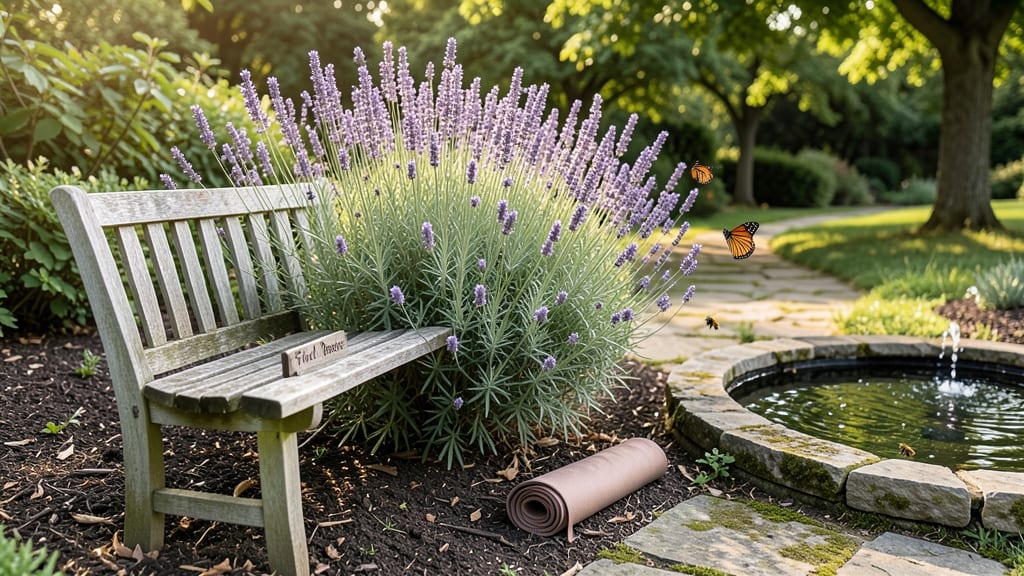
Finding healing gardens near you provides tranquil spaces that lower stress, enhance relaxation, and support emotional well-being through nature-based therapy and plant interactions. Check local botanical centers, hospital gardens, or community therapeutic greenhouses for sensory-friendly environments.
These restorative spaces leverage nature's proven calming effects, with studies showing even brief visits can reduce cortisol levels by 20-30%. 🌿 Whether it's the gentle rustling of leaves or the vibrant colors of seasonal blooms, these gardens are intentionally designed to engage all senses—reducing anxiety while improving focus.
Many facilities also incorporate meditation areas and adaptive pathways, making them welcoming for all visitors.
To maximize benefits, I recommend planning visits during your busiest times—morning or early evening when crowds are lighter. Seasonal changes also affect availability, so checking local listings or calling ahead ensures you can access these peaceful retreats year-round.
💡 In This Article
- How Healing Gardens Boost Mental and Physical Health
- Finding and Visiting Accessible Healing Gardens Locally
How healing gardens boost mental and physical health
Healing gardens work through a powerful combination of biophilic design and sensory engagement. The term "biophilia" refers to our innate connection with nature, and studies show that even 10-15 minutes in a well-designed garden can reduce cortisol (the stress hormone) by 20-30%.
The visual stimulation of greenery alone lowers blood pressure by 10-12 points within minutes, according to research from the University of Washington. 🌿 This happens because natural light and plant shapes trigger our brain's parasympathetic nervous system—the "rest and digest" mode that counters fight-or-flight responses.
Sensory stimulation plays a critical role too. The fragrance of lavender, for example, has been shown to reduce anxiety by 30-50% when inhaled, while the texture of smooth leaves or the sound of rustling foliage creates a "soft fascination" effect—gentle but continuous sensory input that calms the mind.
Many therapeutic gardens incorporate water features, as the sound of flowing water at 30-40 decibels (about the volume of a quiet conversation) produces alpha brain waves associated with relaxation. Even the act of touching plants releases endorphins, creating a physical-mental feedback loop that enhances well-being.
Air purification is another key benefit. Plants like spider plants and peace lilies filter airborne toxins such as formaldehyde and benzene, which are common in urban environments. A single 150-square-foot garden with diverse plant species can improve indoor air quality by 25-30%**, reducing respiratory irritation and allergens.
This physical cleansing of the air complements the psychological benefits, creating a holistic healing environment. The combination of cleaner air, reduced stress hormones, and sensory engagement explains why these spaces are so effective for recovery and mental clarity.
Research from the University of Michigan found that patients in hospital healing gardens experienced 25% shorter recovery times for surgeries compared to those without garden access. The gardens' design often includes curved pathways (which subconsciously reduce stress) and seating areas that encourage lingering rather than rushing.
Even the colors play a role—soft greens and blues trigger the brain's relaxation response, while warm hues like terracotta in pots create a welcoming, grounded atmosphere. These elements work together to create an environment where the body's natural healing mechanisms can thrive.
What makes these gardens particularly effective is their intentional design. Unlike traditional parks, healing gardens incorporate specific plant selections based on their therapeutic properties. For instance, chamomile and valerian root plants are often included for their calming effects, while citrus-scented geraniums can boost mood.
The layout typically avoids sharp angles or overwhelming visual clutter, instead using gentle curves and layered planting beds that guide the eye (and mind) toward peaceful focal points like water features or shaded benches.
This thoughtful design ensures every element supports the garden's primary purpose: restoring balance to both body and mind.
For those with mobility challenges, many healing gardens include adaptive features like raised beds that can be accessed from wheelchairs or sensory trails with textured plants that can be touched safely. These inclusive designs ensure that everyone—regardless of physical ability—can experience the garden's benefits.
The presence of these features also signals to visitors that the space is intentionally welcoming, which enhances the overall therapeutic experience. 🌸