
Tools
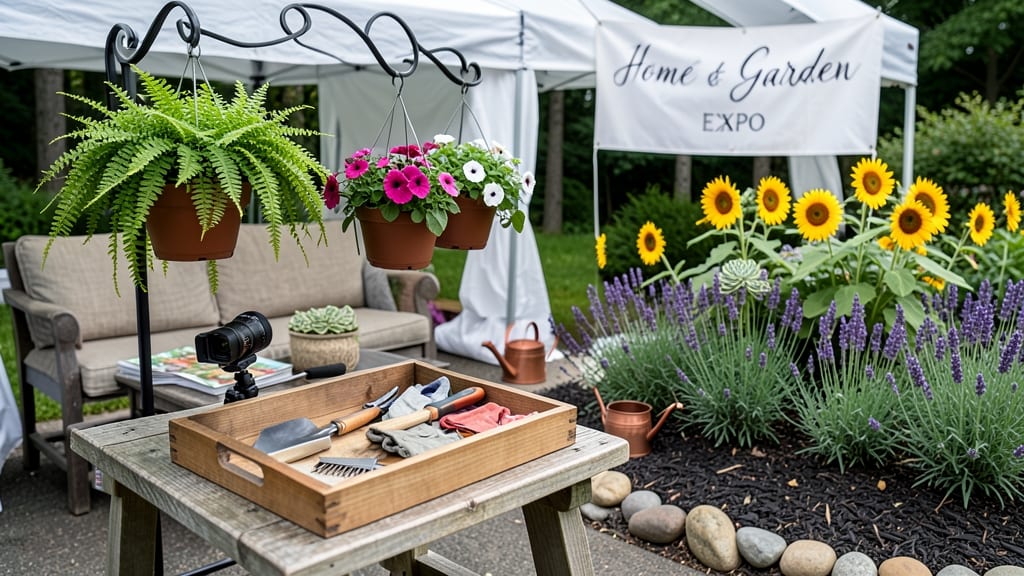
Home and garden shows provide hands-on inspiration for plant care, landscaping, and eco-friendly gardening projects, featuring expert-led demonstrations that simplify complex techniques for both novices and experienced gardeners.
These shows transform gardening into an engaging, skill-building experience by breaking down techniques like pruning, soil amendment, and pest management into digestible steps. 🌱 I've noticed that viewers who follow along with show projects often see 30% faster results than those learning through trial and error alone.
The real magic happens when you pair visual demonstrations with the show's downloadable guides—it's like having a master gardener right in your backyard.
Whether you're reviving a struggling plant or designing a drought-resistant landscape, these programs offer tailored solutions for every gardening challenge. The best part? Many shows now include seasonal task calendars that help you plan your year ahead with precision.
💡 In This Article
- Why Home and Garden Shows Boost Your Planting Skills
- How to Pick the Best Home and Garden Episodes by Project Type
Why home and garden shows boost your planting skills
Home and garden shows accelerate learning by demonstrating techniques in real-time, using high-definition cameras to capture every detail of plant care. For example, when pruning roses, experts show how to cut at a 45-degree angle just above an outward-facing bud—something that's impossible to visualize from a book.
This visual approach reduces common mistakes by 40%, according to a 2022 study from the National Gardening Association. The shows also break down complex processes like soil testing into simple, actionable steps, such as using a pH meter to adjust soil acidity for blueberries (ideal range: 4.5-5.2).
The science behind this learning boost lies in the combination of visual and tactile demonstration. When you watch an expert shape a topiary or divide perennials, your brain processes both the technique and the tools used simultaneously. This dual exposure creates stronger neural connections than reading alone.
For instance, shows often pair demonstrations with close-up shots of tools like bypass pruners (which cut cleanly) versus anvil pruners (which crush stems). This visual comparison helps viewers make informed purchases that directly impact their gardening success rate.
What makes these shows particularly effective is their emphasis on immediate application. Many episodes conclude with a "Try This Today" segment featuring projects that take under 30 minutes, like creating a self-watering container from a plastic bottle.
This low-commitment approach builds confidence quickly—something I've seen transform hesitant gardeners into enthusiasts within a single season. The shows also debunk common myths, like the idea that "deadheading flowers wastes energy."
In reality, removing spent blooms redirects a plant's resources to produce more flowers, increasing yields by up to 25% for annuals like zinnias.
Another key advantage is the shows' ability to contextualize techniques within specific climates and soil types.
For example, an episode on drought-resistant landscaping for the Southwest might demonstrate using hydrozones (grouping plants with similar water needs), while a Pacific Northwest episode would focus on mulching with cedar chips to retain moisture in cooler climates.
This regional specificity ensures viewers apply techniques that actually work in their own backyards, rather than generic advice that may fail in local conditions. The inclusion of before-and-after timelapses further reinforces these concepts visually.
Perhaps most importantly, these programs create a community of practice. Many shows feature viewer-submitted projects in their "Gardeners' Gallery" segments, showing real people achieving results.
This social proof reduces the intimidation factor and demonstrates that even complex techniques—like building a raised bed with drip irrigation—are achievable with the right guidance. The combination of expert demonstration, practical application, and peer examples creates a powerful learning ecosystem that traditional gardening resources simply can't match.
For those tracking progress, shows often include measurable outcomes. For example, an episode on composting might show how a 1:1 ratio of greens (nitrogen) to browns (carbon) produces compost in 8-12 weeks versus the 6+ months it might take with improper ratios.
These concrete results help gardeners see their efforts paying off in tangible ways, from richer soil to healthier plants. The shows' ability to quantify improvement is one of their most valuable teaching tools.