
Light Requirements
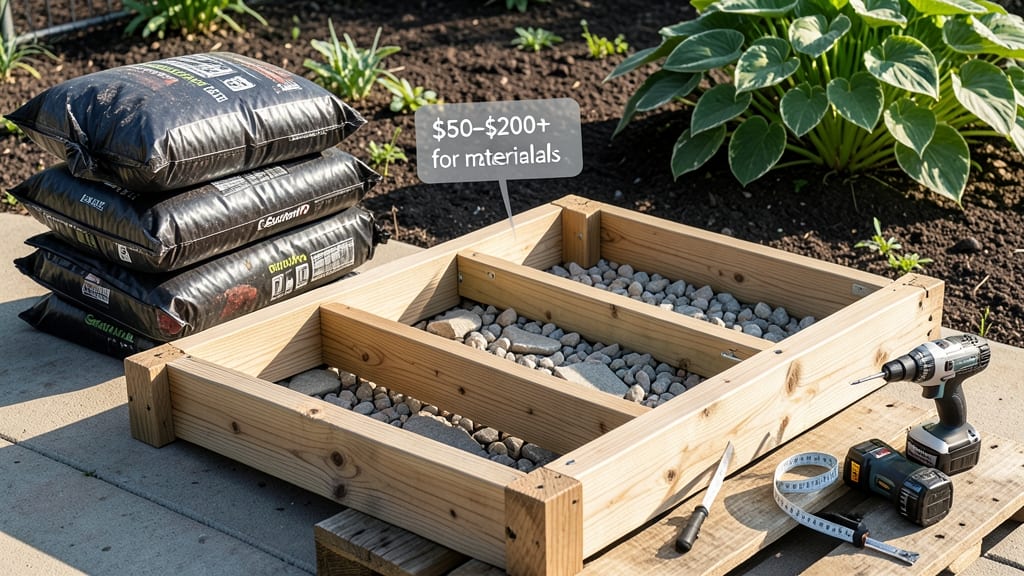
To determine how much a raised garden bed costs, expect to pay between $100 and $1,500+, depending on size, materials (cedar, redwood, or composite lumber), and whether you DIY or buy pre-made kits. Basic 4x8-foot beds start around $200–$500, while custom or premium designs can exceed $1,000 with additional soil, hardware, and finishing touches.
Your budget will vary based on whether you prioritize durability or affordability. Cedar is the most popular choice for its natural rot resistance, but it costs more upfront than pine or composite lumber. Redwood offers longevity but carries a premium price tag, while galvanized steel beds can last decades with minimal maintenance. 💫 I've seen DIY projects cut costs dramatically by repurposing materials like pallets or cinder blocks, though these may lack the polished look of pre-made options.
Another key factor is soil quality—high-quality topsoil and compost can add $50–$200 to your total, depending on your garden's size. If you're assembling the bed yourself, factor in tools like a drill, level, and measuring tape, which can add $50–$150 if you don't already own them.
For those who prefer convenience, pre-made kits often include assembly instructions and sometimes hardware, saving you time and potential mistakes.
💡 In This Article
- Cost Breakdown of Raised Garden Bed Materials
- DIY vs Pre-Made Raised Garden Beds: Cost-Saving Strategies
Cost breakdown of raised garden bed materials
The foundation of your raised garden bed's cost lies in the materials you choose, and each option has distinct pricing and performance characteristics. Cedar is the gold standard for durability and natural resistance to rot, with prices ranging from $3–$6 per linear foot for boards.
Redwood offers similar longevity but typically costs 10–20% more due to its scarcity and natural oils. Meanwhile, composite lumber (made from recycled wood fibers and plastic) runs $5–$8 per foot but provides superior resistance to insects and moisture—ideal for humid climates. 🌲
Hardware costs often get overlooked but can add $20–$80 depending on the bed's complexity. Galvanized screws and corner brackets are essential for stability, while pre-drilled holes in pre-made kits can save you 1–2 hours of assembly time.
Soil quality significantly impacts the total—high-quality topsoil costs $15–$30 per cubic yard, while premium compost can add another $20–$50 per bag. For a 4x8-foot bed filled to a 12-inch depth, you'll need roughly 1.5 cubic yards of soil, translating to an additional $25–$75 investment.
Labor costs vary dramatically based on whether you DIY or hire help. A professional installation can run $50–$150 per hour, depending on your location, while DIY assembly requires only your time and basic tools.
I've found that regional lumber prices can fluctuate by 20–30%—for example, cedar might cost $4.50 per foot in the Pacific Northwest but $5.50 per foot in the Midwest due to transportation costs. This variability means pricing research is crucial before purchasing materials.
Durability factors play a long-term role in cost analysis. While cedar and redwood beds may last 10–15 years with proper maintenance, composite lumber beds can endure 20+ years without warping or splintering.
Galvanized steel beds offer the longest lifespan (25–30 years) but start at $10–$15 per linear foot—making them a premium choice for high-traffic or commercial gardens. The trade-off between upfront costs and long-term savings is a key consideration when budgeting.
Don't forget about finishing touches that enhance both aesthetics and functionality. Waterproof underlayment (like landscape fabric) adds $10–$30 but prevents soil erosion and root intrusion. Paint or stain can extend your bed's life by 3–5 years while adding curb appeal, with costs ranging from $20–$50 per gallon.
These extras might seem minor, but they contribute to the overall value and longevity of your investment.
For those on a tight budget, repurposing materials like untreated pallets ($10–$20 each) or cinder blocks ($1–$2 per block) can slash costs by 50–70%. However, these options require more maintenance and may not offer the same polished look as traditional wood or composite beds.
The key is balancing your immediate budget with long-term gardening goals and the specific needs of your plants.