
Tools
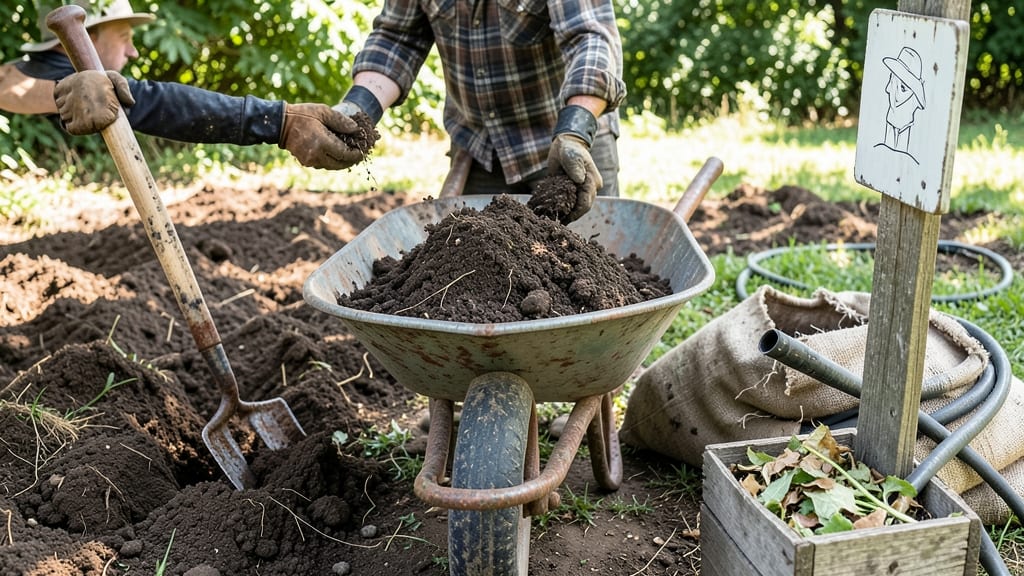
To get free soil for your garden, check local community boards, ask neighbors for compost or topsoil, visit construction sites for clean fill dirt, or join gardening groups that share organic matter. Always confirm the soil is free of contaminants before using it.
Getting free soil for your garden is easier than you think—especially if you know where to look. 🌱 Many cities offer free soil through municipal programs during spring cleanouts, while construction sites often have piles of clean fill dirt just waiting for gardeners.
I’ve found that asking neighbors or joining local gardening Facebook groups can also yield surprisingly generous offers, especially if you’re willing to trade services like yard work in exchange.
Before you haul away any soil, though, it’s critical to inspect it for contaminants like construction debris, chemicals, or invasive weeds. A simple test—like checking for an unpleasant odor or unusual texture—can save you from introducing problems to your garden.
For the best results, mix any free soil with compost to balance nutrients and improve drainage.
💡 In This Article
- Where to Find Free Soil in Your Community
- Best Practices for Collecting and Using Free Garden Soil
Where to find free soil in your community
Construction sites are one of the best sources for free soil because they often have large piles of clean fill dirt left over from grading or excavation projects. 🌿 Contractors typically remove this material to make way for foundations or landscaping, and many will let you take it away for free—just ask politely and confirm the soil hasn’t been treated with chemicals.
The timing matters here: spring and early summer are peak seasons for construction, so you’ll find fresh piles ready for the taking. Always wear gloves and inspect the soil for debris or construction waste before loading it into your vehicle.
Municipal programs and city cleanouts also provide free soil, especially during spring when communities remove yard waste and debris. 🏡 Check your local government’s website or call the parks and recreation department—they often have designated days for residents to collect composted soil or mulch.
Some cities even offer free topsoil through community gardens or environmental initiatives. For example, in Portland, Oregon, the city’s "Green Up" program distributes free compost and soil amendments to residents who request them.
This soil is usually screened for contaminants and mixed with organic matter, making it ideal for vegetable gardens.
Landscaping businesses and nurseries frequently discard excess soil, especially after large projects like sod installation or hardscaping. 🌱 Many will let you take it if you ask—just arrive early in the morning when they’re unloading materials.
I’ve personally gotten 1-2 cubic yards of free soil from a local nursery after they finished a major landscaping job. Always clarify whether the soil contains pesticides or fertilizers, as some businesses treat their soil before disposal.
If in doubt, bring a small sample home and test it for pH (ideal range for most gardens is 6.0-7.0) before using it in your plots.
Neighborhood swaps and gardening groups are another goldmine for free soil. 🌻 Facebook groups, Nextdoor forums, and local gardening clubs often have members giving away compost, topsoil, or even potting mix. People frequently post offers after completing major garden projects or moving homes.
For instance, a neighbor might have 5-10 bags of leftover compost from their compost bin or a pile of topsoil from a recent garden expansion. Always ask about the source—soil from a vegetable garden is usually safe, but avoid soil from areas treated with herbicides or pesticides.
Offer to help with yard work in exchange, and you’ll often get more than you bargained for!
Timing is everything when it comes to accessing free soil. 🕒 Spring (March-May) and fall (September-November) are the best seasons because construction activity peaks, and municipalities hold their cleanout events. Early mornings on weekdays are ideal—contractors and landscapers are more likely to have fresh loads ready for pickup.
If you’re patient, you can even set up a recurring arrangement with a local construction crew to get a steady supply of clean fill dirt throughout the year. Just remember to bring your own tools, like a wheelbarrow or tarp, and always ask permission before taking anything.