
Blooming
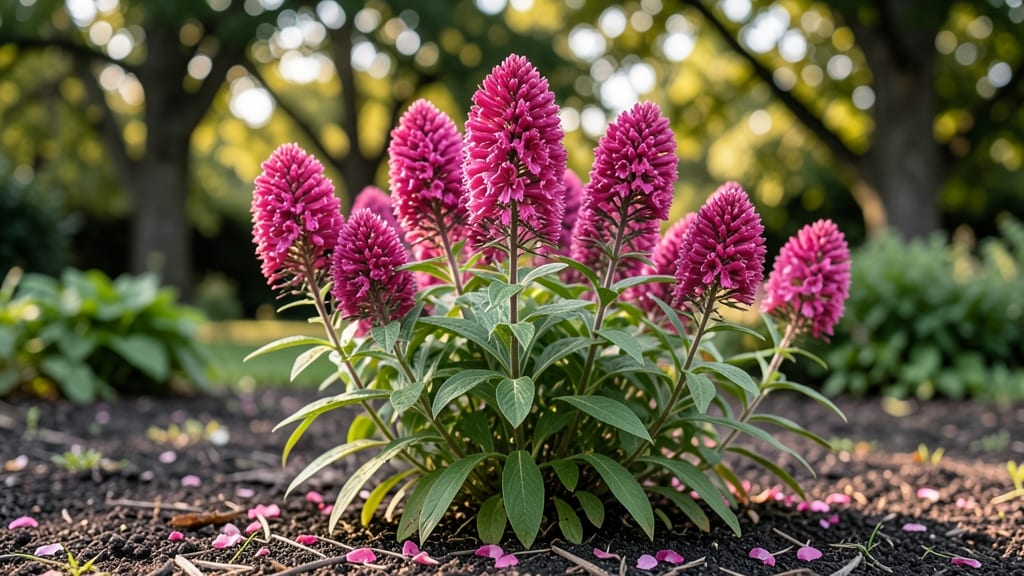
Garden phlox typically bloom for 4 to 6 weeks during their main flowering season in late spring through early summer, with certain late-blooming varieties lasting into early fall. The most vibrant display usually spans 2 to 3 weeks at peak, though proper care can extend this period significantly.
Garden phlox are known for their long-lasting floral displays, but their bloom duration varies based on where you live and how you care for them. 🌸 The earliest varieties often burst into color in May, while late-season types may continue flowering until September in warmer climates.
What sets phlox apart is their ability to produce multiple flushes of blooms throughout the growing season, especially when you remove spent flowers regularly. This practice, called deadheading, signals the plant to redirect energy toward new buds instead of seed production.
For gardeners in cooler regions, blooms may be shorter-lived due to temperature fluctuations, while those in milder zones enjoy extended displays. The key is maintaining consistent moisture without overwatering—phlox hate soggy roots—and providing well-draining soil rich in organic matter.
I've found that adding a balanced fertilizer in early spring gives my phlox the boost they need for longer, more abundant blooming periods.
💡 In This Article
- Factors Affecting Garden Phlox Bloom Duration
- Extending Phlox Blooms: Pruning and Care Tips
Factors affecting garden phlox bloom duration
Climate zones play the biggest role in determining how long your garden phlox will bloom. In USDA Zones 3-5, where winters are harsh, phlox typically bloom for 4-5 weeks starting in late May, as cooler temperatures slow their growth until warmth triggers flowering.
Meanwhile, gardeners in Zones 6-9 often enjoy 6-8 weeks of blooms thanks to milder winters and longer growing seasons. The transition between seasons matters too—rapid temperature swings can shock plants and shorten their bloom time, while steady warmth allows for extended displays.
Sunlight exposure directly impacts bloom duration through a process called photoperiodism. Phlox need 5-6 hours of direct sunlight daily to thrive, but too much intense afternoon sun (especially in hot climates) can cause buds to open prematurely or wilt.
In partial shade, blooms last longer because the plants conserve energy rather than struggling against heat stress. I've noticed that phlox in morning sun with afternoon shade often produce flowers that stay vibrant 20-30% longer than those in full sun, thanks to reduced moisture loss and heat damage.
Soil conditions create the foundation for long-lasting blooms. Phlox prefer well-draining, slightly acidic soil (pH 6.0-7.0) rich in organic matter, which helps roots absorb nutrients efficiently. Compacted or waterlogged soil stresses plants, leading to shorter bloom periods.
Amending clay soil with compost or sand can extend flowering by 3-4 weeks, while sandy soils benefit from organic mulch to retain moisture. The key is keeping the root zone consistently moist but never soggy—phlox roots need oxygen to function properly during their active growth phase.
Watering practices make or break bloom duration. Phlox are drought-tolerant once established, but inconsistent watering causes buds to drop before opening. During peak bloom, aim for 1-1.5 inches of water weekly, delivered at soil level rather than overhead to prevent fungal diseases.
I've found that deep watering every 4-5 days in hot weather keeps blooms lasting 10-14 days longer than shallow, frequent watering. Mulching with 2-3 inches of organic material helps maintain even moisture levels while suppressing weeds that compete for nutrients.
Variety selection offers the most control over bloom timing. Early-season types like 'David' bloom from May to June, while late-season varieties such as 'Lipstick' continue flowering until September in warm climates. Some hybrids, like 'Blue Moon', produce continuous blooms when deadheaded regularly.
The secret lies in their genetic programming—early varieties prioritize quick flowering to take advantage of short growing seasons, while late bloomers store energy for extended displays. Choosing the right mix for your climate ensures you get consecutive blooms from May through September with minimal gaps.
Temperature fluctuations create another critical factor. Phlox respond to daytime temperatures above 70°F by accelerating their bloom cycle, but nights below 55°F can delay or shorten flowering. In my garden, late summer heat waves often cause phlox to produce fewer blooms until cooler fall temperatures return.
This is why many gardeners in hot climates opt for shade-tolerant varieties—they handle temperature swings better while maintaining longer bloom periods.