Light Requirements
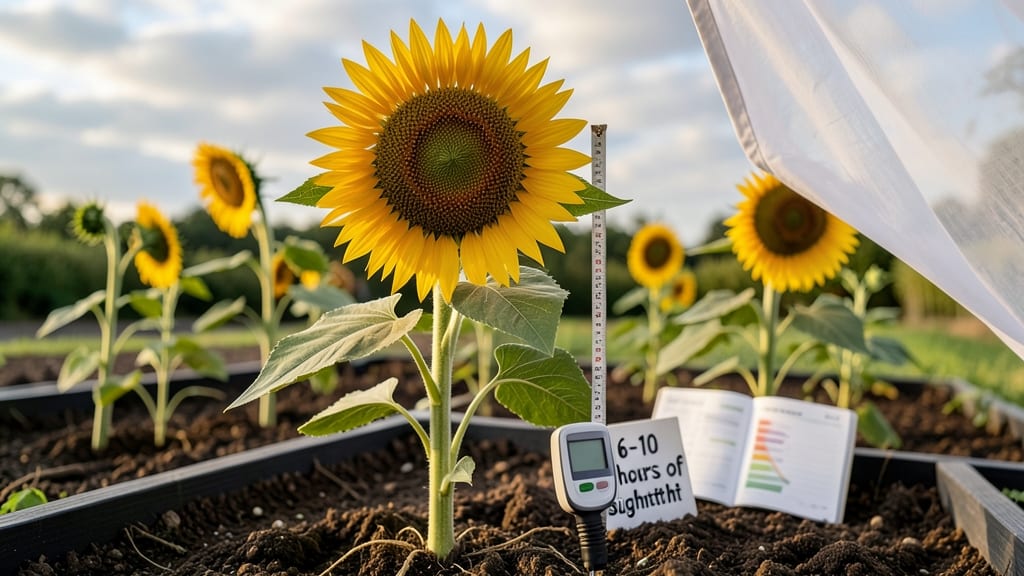
A garden needs 6 to 8 hours of sunlight daily for most vegetables, flowers, and herbs to thrive — but too much or too little can send your plants into a downward spiral.
Picture this: you’ve spent weeks nurturing your 🌱 General Garden, only to watch it wilt under the midday sun or stretch pathetically toward a shady corner. That’s because sunlight isn’t a one-size-fits-all answer—it’s the difference between a bountiful harvest and a sad, struggling plot.
Below, I break down the exact sunlight hours your garden needs by plant type, how to measure sunlight in your space, and how to fix common mistakes that leave your greens gasping for light.
You’ll learn how to adjust your layout for optimal sunlight, spot signs of insufficient light early, and even work with partial shade if your yard isn’t a sunbathing paradise.


Sunlight requirements by plant type: full sun vs. partial shade vs. low light
Understanding how many hours of sunlight your garden needs is the foundation of successful gardening.
Most plants thrive when placed in the right light conditions, but getting this wrong can lead to stunted growth, poor yields, or even plant death. Full sun (6+ hours of direct sunlight) is ideal for many vegetables and flowers, while others thrive in partial shade (3-6 hours) or even low light (under 3 hours).
The key is matching your plants to your garden's natural light patterns.
Your climate zone plays a huge role in sunlight exposure. For example, gardens in Zone 5 or colder may have shorter growing seasons with less intense sunlight, while Zone 8 and warmer areas can experience intense midday sun that requires afternoon shade for some plants.
Always consider both the type of sunlight and the duration when planning your garden layout.
Here’s a quick reference to help you visualize the sunlight needs for common garden plants:
Vegetables like tomatoes and peppers demand full sun to produce fruit, while herbs such as basil and oregano also thrive with plenty of sunlight but can tolerate partial shade in hotter climates. Leafy greens like lettuce and spinach often prefer partial shade to prevent bolting (premature flowering) in hot weather.
For flowers, sunflowers and marigolds love full sun, but impatiens and coleus will thrive in partial shade, especially in warmer climates where afternoon sun can scorch their leaves. Always check the specific variety’s requirements—some sunflowers, for example, can handle partial shade if given enough water.
Herbs are a bit more flexible, but most prefer at least 4-6 hours of sunlight to develop their full flavor. Mint and parsley, for instance, can tolerate partial shade, while rosemary and thyme need full sun to thrive.
If you’re growing herbs in containers, rotate them occasionally to ensure even sunlight exposure.
Trees and shrubs often have different needs based on their mature size and native habitat. Dwarf varieties like boxwoods or Japanese maples can handle partial shade, while larger trees like oak or maple may need full sun to reach their full potential.
Always consider how the plant will grow over time—what seems like enough shade now may become insufficient as the plant matures.
Low-light plants are perfect for shady spots in your garden or for indoor growing. Hostas, ferns, and caladiums thrive with minimal sunlight, making them ideal for areas under trees or on the north side of your home.
If you’re growing these plants indoors, place them near a north-facing window where light is softer and less intense.
To adjust your garden for optimal sunlight, start by observing your space throughout the day. Note which areas receive morning sun, afternoon sun, or dappled shade. Use shade cloth to filter intense sunlight for delicate plants, or group shade-loving plants together to create microclimates that work for their needs.
With the right placement, even tricky spots can become thriving parts of your garden. 🌱
How to measure sunlight in your garden and adjust plant placement
Before you plant a single seed, measuring your garden's sunlight is the first step to success. Most plants need 6 to 8 hours of direct sunlight daily to thrive, but without accurate measurements, you might be overestimating or underestimating what your space actually receives.
I’ve learned the hard way—planting tomatoes in a spot that only gets 3 hours of sun leads to sad, leggy plants that never produce fruit.
Start by observing your garden throughout the day, especially during the peak growing months. Note how shadows shift from morning to evening and which areas receive the most consistent sunlight. The south-facing side of your property typically gets the most sun, while north-facing areas often stay shady.
Even a small difference in placement can mean the difference between a thriving basil plant and one that struggles to survive.
🌱 Pro Tip: Use a sunlight meter or a simple DIY method like a white plate or chalk to track sunlight hours. Place the plate in different garden spots and mark the sun’s shadow every hour. This gives you a clear visual of how much light each area receives.
💡 How Many Hours of Sunlight Does a Garden Need?
Full Sun: 6+ hours (ideal for tomatoes, peppers, and herbs).
Partial Sun: 3-6 hours (great for leafy greens and some flowers).
Low Light: Under 3 hours (best for hostas and ferns).
Adjust placement based on your garden’s sunlight map to avoid common mistakes like leaf burn or stunted growth.
Once you’ve mapped your garden’s sunlight, adjust your plant placement to match their needs. For example, place sun-loving vegetables like zucchini and cucumbers in the sunniest spots, while shade-tolerant plants like lettuce or spinach can thrive in partial shade.
If your garden lacks natural sunlight, consider using reflective surfaces like mirrors or light-colored mulch to bounce extra light onto plants.
If some areas still don’t get enough sunlight, shade cloth is a game-changer. A 30% shade cloth reduces light by 30%, making it perfect for partial sun plants, while a 50% cloth works for shade-loving varieties.
I’ve used shade cloth to protect delicate flowers from harsh afternoon sun, and the results have been amazing—no more wilted petals or sunburned leaves.
Finally, don’t forget to account for seasonal changes. In summer, your garden might get 10+ hours of sunlight, but in winter, that number can drop to just 3-4 hours.
Plan your garden layout with these fluctuations in mind, and you’ll keep your plants happy year-round. With the right sunlight assessment and adjustments, your garden will flourish like never before! ☀️