
Light Requirements
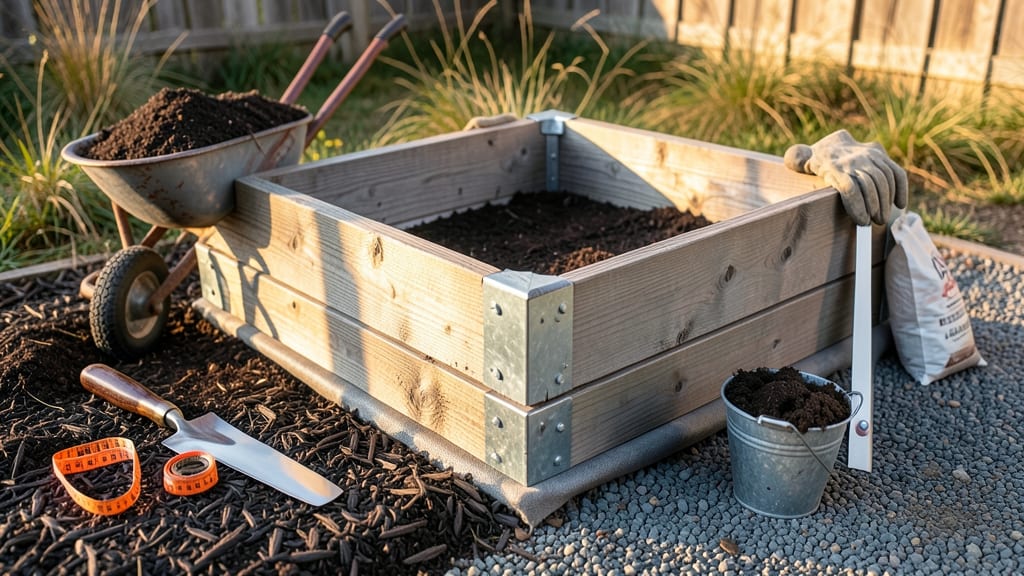
For a 4x4 raised garden, you'll need 1.5 to 2 cubic feet of soil per inch of depth—typically 12 to 24 cubic feet for standard 6- to 12-inch beds. Multiply length × width × depth (e.g., 4ft × 4ft × 1ft = 16 cubic feet for 12-inch depth), then account for drainage layers and root space.
Determining soil volume starts with your garden's depth—most vegetables thrive in 6 to 12 inches of soil, but deeper beds (up to 18 inches) support root crops like carrots or potatoes. 🌱 The key is balancing depth with drainage: always include a 2-inch gravel or wood chip layer at the bottom to prevent waterlogging.
I recommend buying soil in bulk (1 cubic foot ≈ 1 bag) to avoid overpaying for excess—just measure your space first!
Different plants have different needs: leafy greens like lettuce need just 4 to 6 inches of soil, while tomatoes and peppers benefit from 12 to 18 inches. Layering matters too—start with a 4-inch base of compost-rich soil, then add topsoil and mulch.
This setup ensures nutrients reach roots while keeping moisture consistent. Always fluff the soil before planting to avoid compaction!
💡 In This Article
- Calculating Soil Volume for Raised Garden Depths
- Soil Depth Guidelines for Vegetables, Herbs, and Flowers
Calculating soil volume for raised garden depths
The math behind soil volume is straightforward but critical for avoiding waste or shortages. A 4x4 raised bed's volume equals length × width × depth in feet (e.g., 4ft × 4ft × 1ft = 16 cubic feet for 12-inch depth).
However, most soil bags contain only 1 cubic foot, so you'll need 16 bags—plus extra for compaction. Remember, soil settles over time, reducing volume by 10-15% after watering. 🌱
Depth directly impacts root growth and plant health. Shallow beds (6 inches) work for herbs or lettuce, but deeper beds (12-18 inches) support tomatoes or carrots. The 2-inch drainage layer (gravel or wood chips) at the bottom isn't counted in your soil volume—it's a separate calculation.
For example, a 12-inch deep bed actually needs 10 inches of soil plus 2 inches of drainage, totaling 14 inches of fill.
Compaction is the silent volume killer. Fresh soil weighs 40-60 lbs per cubic foot, but after settling, it can shrink by 10-15%. To account for this, buy 10-15% more soil than your calculation.
For our 16 cubic feet example, round up to 18 bags to ensure coverage. Pro tip: Use a tape measure to check depth after filling—soil often settles unevenly in corners. ✨
Consider soil type too. Peat-based mixes settle more than compost blends, while sandy soils may require 20% extra volume due to poor moisture retention. For heavy clay soils, mix in 30% perlite or vermiculite to improve aeration.
Always test drainage by filling a container with water—if it drains in 30 minutes, your mix is optimal. 💧
Here's a quick reference for common depths:
- 6-inch bed: 6 cubic feet of soil + 2-inch drainage = 8 bags
- 12-inch bed: 12 cubic feet of soil + 2-inch drainage = 14 bags
- 18-inch bed: 18 cubic feet of soil + 2-inch drainage = 20 bags
For precision, use a wheelbarrow or bucket to measure soil volume during assembly—this helps visualize how much you're adding. Always leave 1 inch of space at the top for mulch or irrigation. This small margin prevents spillage and makes maintenance easier. 🌿
Pro tip: Layer your soil for best results. Start with 2 inches of coarse gravel for drainage, then add 4 inches of compost, followed by 6-12 inches of topsoil. This setup mimics natural soil horizons and improves root penetration. 💡