
Size
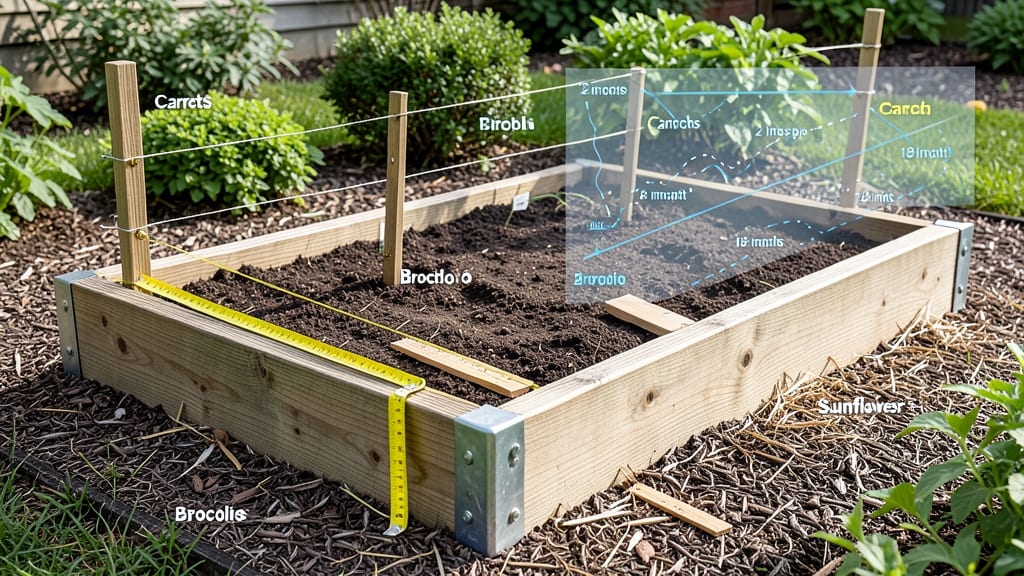
Determining how much space between garden beds depends on your garden type: 18 to 36 inches works for small-scale vegetable gardens, while larger plots or orchards need 3 to 5 feet for equipment access. Proper spacing prevents overcrowding, improves airflow, and reduces soil-borne diseases.
This spacing isn't just about convenience—it's about giving plants room to thrive. 🌱 Root systems compete for nutrients when beds are too close, while proper airflow prevents fungal infections like powdery mildew.
For example, leafy greens like lettuce can handle tighter spacing (12 inches), but larger plants like tomatoes or squash need at least 24-36 inches to avoid shading each other. If you're using raised beds, you can often reduce spacing slightly since soil quality and drainage improve growth efficiency.
Another key factor is your gardening style. Container gardens or vertical planters might use even tighter spacing (6-12 inches), but ground-level beds always need more room for tools and maintenance.
I recommend marking your layout with stakes or string before planting—it saves time and prevents overcrowding mistakes that can ruin a season's harvest.
💡 In This Article
- Why Proper Garden Bed Spacing Boosts Plant Growth
- Garden Bed Spacing Chart by Plant Type and Layout
Why proper garden bed spacing boosts plant growth
At its core, spacing between garden beds is about creating an ecosystem where plants can access the three essential resources they need: sunlight, water, and nutrients. When beds are too close—say, less than 18 inches—roots from neighboring plants compete aggressively for these resources.
This competition triggers a physiological response called "root inhibition," where plants divert energy toward finding nutrients rather than producing leaves, flowers, or fruit.
For example, tomatoes grown in beds spaced only 12 inches apart will produce smaller yields because their root systems are constantly battling for moisture and minerals in the soil.
Airflow is another critical factor that directly impacts plant health. Proper spacing—typically 24-36 inches for most vegetables—allows air to circulate freely between plants.
This movement is vital because it prevents humidity from lingering on leaves, which creates the perfect conditions for fungal diseases like powdery mildew or early blight. 🌿 In my own garden, I’ve noticed that basil plants in crowded beds develop mildew within weeks, while those with 12-inch spacing stay healthy all season.
The same principle applies to perennials like lavender or rosemary, which need even more room (3-4 feet) to prevent overcrowding that stunts their woody growth.
Sunlight exposure is the third key element where spacing makes a dramatic difference. Tall plants like corn or sunflowers cast significant shade, and if they’re planted too close to shorter crops like lettuce or radishes, the understory plants will bolt (go to seed prematurely) or produce bitter leaves.
A general rule is to space taller plants on the north side of beds (in the Northern Hemisphere) to avoid shading shorter varieties to the south. For instance, a 4-foot-tall tomato cage needs at least 3 feet of clearance on the north side to prevent shading neighboring basil or peppers.
Soil health also benefits from proper spacing because it reduces compaction. When you walk between beds, your foot traffic compresses the soil, which restricts root growth and water absorption. Wider paths—typically 2-3 feet—allow you to move more freely without damaging the soil structure.
This is especially important in clay-heavy soils, where compaction can become a major issue. I’ve seen gardens where narrow paths led to stunted growth in the outer rows of beds simply because the soil was too compacted for roots to expand.
There’s also a less obvious benefit: pest control. Many garden pests, like aphids or spider mites, thrive in dense, crowded conditions where they can move easily from plant to plant.
Wider spacing disrupts their ability to spread rapidly, giving beneficial insects like ladybugs or lacewings more opportunities to patrol your garden.
For example, a 3-foot-wide path between beds gives enough room for a wheelbarrow to pass through, which I use to distribute beneficial nematodes or compost tea—practices that work best in well-spaced gardens.
Finally, proper spacing extends the lifespan of your garden beds. Perennial plants like asparagus or rhubarb need 18-24 inches of space because they form thick root systems that spread over time.
If you crowd them, the roots will eventually strangle each other, reducing yields by up to 40% over a decade. The same goes for fruit trees, which require 8-10 feet of clearance to develop strong structural roots and avoid girdling (where roots grow around the trunk and restrict water flow).
What most gardeners don’t realize is that spacing also affects the flavor and nutritional value of your produce. For example, peppers grown in crowded beds develop smaller, less flavorful fruits because they’re under stress. 🌶️ The extra space gives them room to focus energy on fruit production rather than survival.
This is why commercial farms often use precise spacing charts—it’s not just about yield, but quality too.