
Flowers
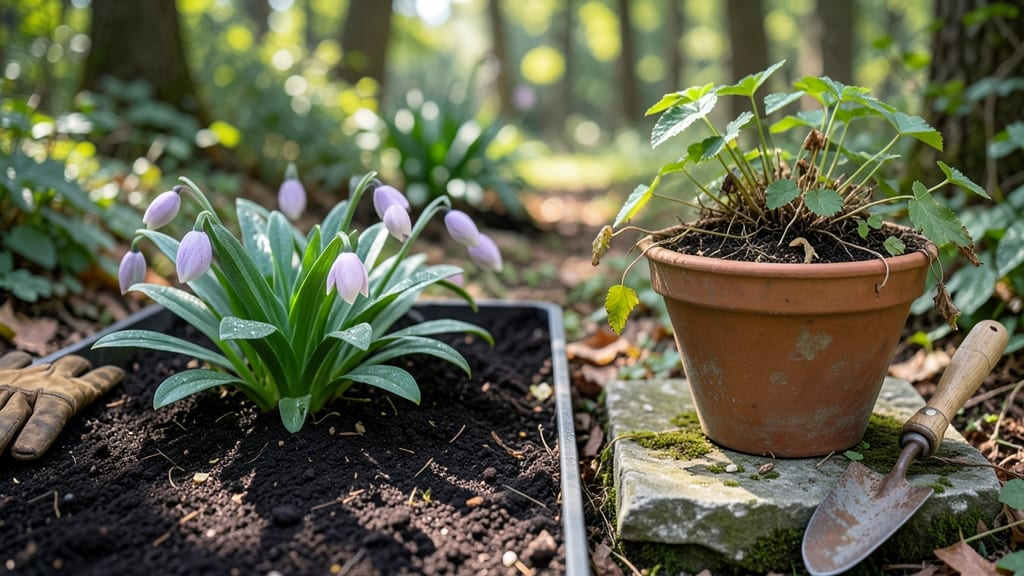
The phrase ‘sisters are the same flowers from a different garden’ describes how genetically identical plants—like peonies or roses—can produce nearly identical blooms while developing unique traits when grown in different environments, such as varying soil nutrients, sunlight exposure, or water availability.
The phrase captures how genetic consistency meets environmental influence—think of two peony bushes with identical DNA but one thriving in full sun with rich compost while the other grows in shade with sandy soil. 🌸 The result?
Same species, but one might bloom larger with a stronger fragrance, while the other stays compact with a milder scent. This phenomenon isn't just poetic—it's rooted in plant biology, where epigenetic changes and phenotypic plasticity allow identical seeds to express different traits based on their surroundings.
Gardeners often observe this with hydrangeas or lavender: the same variety can produce blue or pink blooms depending on soil pH, or lavender may develop a deeper purple hue in cooler climates.
The key takeaway? Your garden's conditions shape the personality of your plants, even when their genetic blueprint is identical.
💡 In This Article
- How Genetics and Environment Shape Flower Identicality
- Garden Experiments: Growing the Same Flowers in Different Conditions
How genetics and environment shape flower identicality
At the heart of this phenomenon lies phenotypic plasticity, a biological process where genetically identical plants develop different physical traits in response to environmental cues.
Take hydrangeas as an example: the same cultivar planted in acidic soil (pH 5.0) will produce vibrant blue blooms, while the identical plant in alkaline soil (pH 7.0) yields pink flowers.
This isn't genetic mutation—it's the plant's cells adjusting protein production based on soil chemistry. 🌿 The genes remain unchanged, but the expression of those genes shifts dramatically, creating what appears to be two distinct "sisters" from the same genetic parent.
Sunlight exposure plays an equally crucial role. A lavender plant grown in full sun (6+ hours daily) will develop deeper purple hues and more compact growth due to increased photosynthesis and stress hormones like abscisic acid.
Move that same cutting to partial shade (3-4 hours of sunlight), and you'll notice paler blooms with elongated stems—all while the plant's DNA remains identical. The difference stems from how light triggers phytochrome pigments, which regulate growth patterns and pigment production.
This is why gardeners often see "sister" plants with identical labels but visibly different appearances.
Soil nutrients further refine these differences. A rose bush fed with high-nitrogen fertilizer will produce lush, dark green foliage and abundant but smaller blooms, while its genetically identical neighbor with phosphorus-rich soil may yield fewer but larger, more fragrant flowers.
The nitrogen promotes leafy growth, while phosphorus supports root development and flower production. 🌹 This environmental fine-tuning explains why two peony bushes from the same batch can have one blooming 3 inches wide with a strong scent and another producing 5-inch flowers with a faint fragrance—same species, different garden stories.
Even water availability creates distinct variations. Drought-stressed plants often develop thicker cuticles and smaller leaves as a survival mechanism, while well-watered counterparts grow larger and more vibrant.
In geraniums, this might mean one plant's blooms stay open for 10 hours daily in moist conditions, while its "sister" in dry soil closes its flowers by 3 PM to conserve water.
These adaptations aren't genetic—they're the plant's immediate response to its environment, proving that identical DNA can produce remarkably different phenotypes.
The science behind this involves epigenetic modifications, where environmental factors like temperature or stress cause chemical tags to attach to DNA without altering the genetic sequence itself.
These tags (like methyl groups) can turn genes "on" or "off" temporarily, creating lasting changes in appearance that persist even after the environmental trigger disappears. 🧬 For gardeners, this means that while you can't change a plant's species, you can dramatically influence its characteristics simply by adjusting its growing conditions—a powerful tool for creating visually distinct but genetically identical "sisters" in your garden.
What makes this especially fascinating is how these environmental influences can be reversed. If you move that drought-adapted geranium to a well-watered spot, its offspring may gradually revert to larger blooms over generations.
This plasticity is why gardeners can experiment with the same plant variety in different microclimates—creating a living gallery of "sisters" that share DNA but tell unique stories through their blooms.