
Blooming
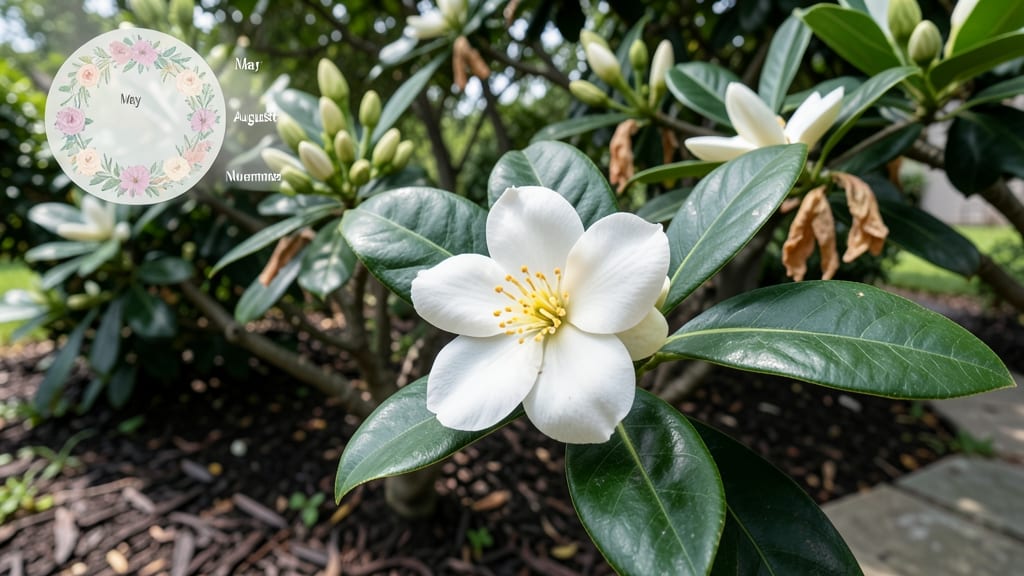
Gardenias bloom once yearly in late spring or early summer, with fragrant white flowers lasting 4-6 weeks. With proper care—including pruning, sunlight exposure, and acidic soil—you can sometimes coax a second flush of blooms in fall or winter.
Most gardenias follow nature's seasonal cues, with their primary bloom cycle triggered by warming temperatures and longer daylight hours. 🌸 The classic G. jasminoides variety, for example, relies heavily on these environmental signals, which is why you'll rarely see them flowering outside this window unless you create ideal growing conditions.
What's fascinating is how different gardenia species adapt—some tropical varieties might bloom year-round in warm climates, while temperate-zone plants enter a natural dormancy period after their spring display. The key to encouraging reblooming lies in mimicking these natural patterns through consistent care routines.
To push your gardenia for that second bloom, focus on three critical factors: light, soil, and pruning. These plants crave bright, indirect sunlight for at least 6 hours daily, and their soil should maintain a pH between 5.0 and 6.5.
I've found that a light pruning right after the first bloom cycle—removing about one-third of the oldest stems—can stimulate new growth. The secret weapon? A balanced fertilizer with higher phosphorus content during the growing season, which directly supports flower production. 🌿
💡 In This Article
- Gardenia Blooming Seasons: Climate and Variety Factors
- Pro Tips to Encourage Gardenia Reblooming
Gardenia blooming seasons: climate and variety factors
Gardenias follow a biological rhythm tied to temperature and daylight, with their primary bloom triggered by warming spring temperatures (60-75°F) and increasing daylight hours. The most common variety, G. jasminoides, enters a natural dormancy after flowering, conserving energy for next year's cycle.
This is why you'll rarely see them bloom outside their 4-6 week spring window unless you create optimal conditions. Tropical gardenias like G. radicans, however, may flower year-round in warm climates (above 70°F consistently), though their blooms tend to be less abundant.
The blooming process begins when gardenias receive 12+ hours of daylight, signaling their internal clock to produce flower buds. This photoperiod response explains why northern climates see more reliable spring blooms—the longer daylight in summer helps them store energy for next year.
In southern regions, gardenias may bloom earlier (as early as March) but often experience heat stress that shortens their flowering period. The fragrance you love comes from volatile compounds released during morning sunlight, peaking between 9-11 AM when temperatures are mild.
Temperature plays a critical role in both blooming and fragrance intensity. Gardenias need cool nights (55-65°F) during bud formation to prevent bud drop—a common issue when nighttime temps exceed 75°F.
The fragrance compounds actually degrade faster in temperatures above 80°F, which is why gardenias in hot climates often have weaker scents. This is also why G. jasminoides varieties in USDA zones 8-10 may produce two bloom cycles—once in spring and again in fall—when temperatures moderate naturally.
Soil acidity creates another critical threshold. Gardenias require acidic soil (pH 5.0-6.5) for optimal nutrient uptake, particularly phosphorus which fuels flower production. In alkaline soils (pH 7.0+), plants struggle to access these nutrients, resulting in fewer blooms.
The root zone must also stay consistently moist but never waterlogged—gardenias hate soggy feet, which can trigger fungal diseases that weaken the plant's ability to rebloom. 🌸
Regional variations create fascinating differences in blooming patterns. In Florida's humid climate, gardenias may bloom sporadically year-round but with less intensity. Meanwhile, in California's Mediterranean climate, they typically produce one strong spring bloom followed by a lighter fall display.
The key difference? Florida's consistent warmth prevents true dormancy, while California's cool winters trigger a more pronounced seasonal cycle. Understanding your local climate helps you set realistic expectations for your gardenia's blooming behavior.
What most gardeners don't realize is that gardenias actually set their next year's flower buds during the current growing season. This means the care you provide in summer and early fall directly impacts next spring's blooms. The plant builds energy reserves through photosynthesis, storing them in roots and stems.
When you see those lush green leaves in summer, you're looking at the factory producing next year's flowers. This is why consistent watering and balanced fertilization during these off-season months pays dividends in spring.