How To
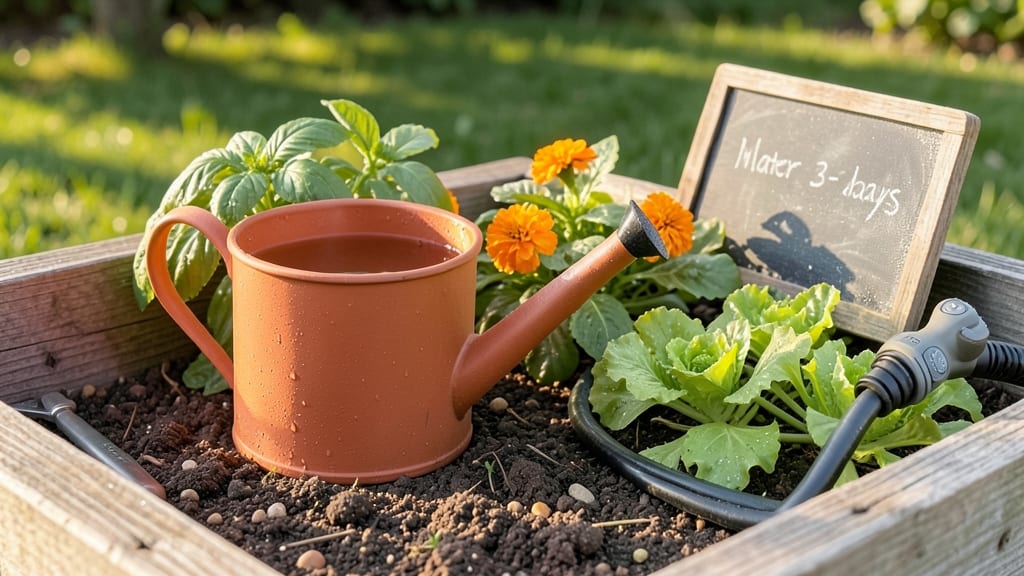
Watering your garden the right way—how often and how deeply—is the difference between lush, productive plants and wilting disappointment.
Struggling to keep your garden thriving? Overwatering or underwatering can both kill plants—yet most gardeners guess instead of following science-backed schedules tailored to each plant type.
In this guide, I’ll break down the exact watering frequency for General Garden Plants 🌱, from leafy greens to flowering shrubs, so you never waste a drop or let your soil dry out.
You’ll learn the 3 key factors that change your schedule—soil type, weather, and plant stage—and how to spot when your garden is thirsty or drowning.
Science-backed watering frequency by plant type: a gardener’s survival guide
Watering your garden isn’t a one-size-fits-all task—each plant has unique needs based on its type, soil conditions, and climate zone. Overwatering can drown roots, while underwatering stresses plants, leading to stunted growth or death.
The key is understanding science-backed schedules tailored to your garden’s specific plants. Whether you’re growing tomatoes, lavender, or basil, knowing the right frequency saves time and ensures a thriving garden.
Most gardeners water based on guesswork, but plants like succulents and herbs have drastically different needs. For example, succulents thrive on infrequent, deep watering, while lettuce prefers consistent moisture. Below, we break down watering schedules by plant type, including visual indicators to help you adjust on the fly.
This guide covers vegetables, flowers, herbs, and lawns, ensuring you water like a pro.
For vegetables like tomatoes and peppers, deep watering every 1-2 days in summer ensures strong root development. These plants need consistent moisture but hate soggy soil.
Use a moisture meter or the finger test—stick your finger 1-2 inches into the soil; if it’s dry, it’s time to water. Herbs, on the other hand, prefer slightly drier conditions. Basil and mint wilt when overwatered, so aim for every 2-3 days in hot weather.
Flowers like roses and lavender thrive with 2-3 waterings per week during peak growth. Mulch around the base to retain moisture and prevent weeds. Succulents are the low-maintenance stars of the garden—water them every 2-4 weeks in summer and reduce to monthly in winter.
Overwatering is their biggest enemy, so always let the soil dry out completely between waterings. For lawns, deep watering 2-3 times per week encourages deep root growth, making grass more drought-resistant.
Adjust your watering schedule based on weather conditions and soil type. Sandy soil drains quickly, requiring more frequent watering, while clay soil holds moisture longer. In USDA Zone 6a, summer heat may demand daily watering for vegetables, while winter slows growth, reducing needs to monthly or bi-weekly.
Always water early in the morning to minimize evaporation and fungal diseases like powdery mildew.
Watch for visual cues like wilting leaves, yellowing foliage, or dry soil. These signs tell you when to adjust your routine. For example, drooping basil signals it’s thirsty, while mushy stems on lettuce mean you’ve overdone it. By mastering these science-backed schedules, you’ll transform guesswork
How to tell when your garden needs water: 5 signs to check before watering
Before you reach for the hose, learn to read your garden’s water needs like a pro. Plants send clear signals when they’re thirsty—or drowning—and ignoring them leads to stressed, unhealthy growth.
I’ve spent years watching my garden whisper (and sometimes scream) for help, and these 5 key signs will save you time, water, and wilted leaves.
Skipping the guesswork means healthier plants and a more efficient watering schedule. Whether you’re tending to tomatoes, lavender, or your lawn, these visual cues will tell you exactly when to water—without overdoing it. Let’s dive into the science-backed ways to check your garden’s hydration status.
💧 5 Signs Your Garden Needs Water
- 1 Soil Check: Stick your finger 1-2 inches deep into the soil. If it feels dry or crumbly, it’s time to water. Clay soil stays moist longer, while sandy soil dries out faster.
- 2 Leaf Wilting: Morning wilting (leaves perk up by afternoon) means thirst, but evening wilting signals overwatering or root rot. Check tomatoes or peppers—they wilt fast when dry.
- 3 Root Zone Test: Gently tug on leafy greens or herbs. If they pull out easily, roots are dry. Healthy roots resist gentle tugging. For container plants, lift the pot—if it’s light, water immediately.
- 4 Color Change: Yellowing leaves (not from pests) often mean overwatering, while dull, gray-green leaves signal underwatering. Lavender and roses droop dramatically when thirsty.
- 5 Weather Adjustments: Hot, windy days dry soil faster—water deeply in the morning. After heavy rain, wait 24 hours before checking soil moisture again.
Pro tip: Keep a gardening journal to track which signs appear most often in your climate. I noticed my zucchini plants wilt by 10 AM in summer, so I now water them the night before. Small adjustments like this cut water waste by 30% while keeping plants thriving.
Overwatering is just as harmful as underwatering—root rot kills more plants than drought. If you see mushrooms sprouting in your soil or a sour smell, you’re overdoing it. Always water deeply but less frequently to encourage strong root growth.
Now that you’re tuned into your garden’s signals, you’ll never second-guess your watering schedule again. Start with these 5 checks tomorrow morning, and watch your plants reward you with vibrant growth and fewer wilting surprises! 🌱