
How To
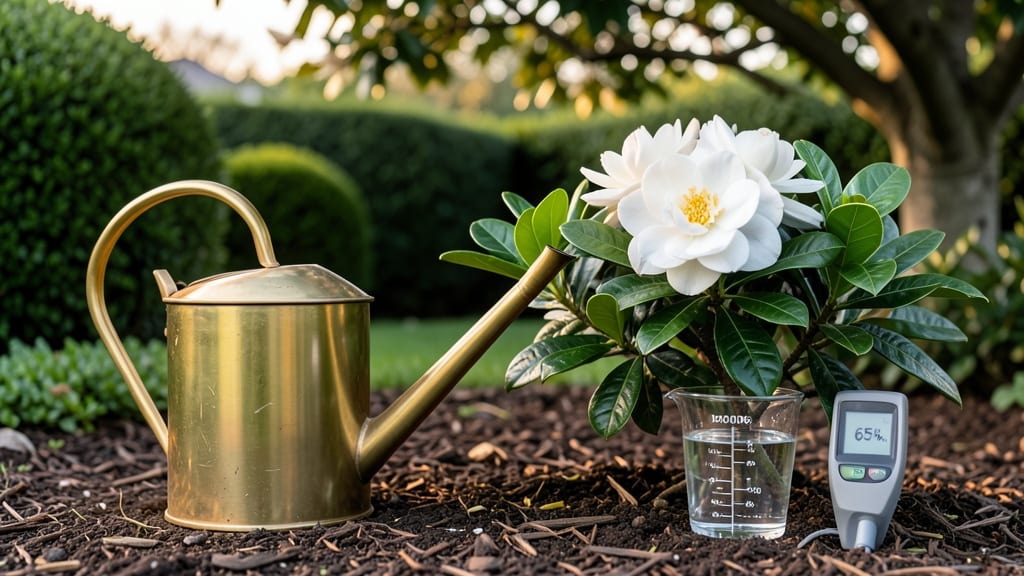
Watering gardenias 🌸 the right way keeps them blooming like clockwork—how often depends on soil, season, and whether they’re in pots or planted in the ground.
Struggling to keep your gardenia blooming beautifully? Overwatering or underwatering can kill these delicate plants—so getting the watering schedule just right is the key to lush, fragrant flowers year-round.
In summer’s heat, your gardenia might need watering every 2-3 days, while winter slows things down to once a week. But it’s not just about frequency—soil moisture and rainfall change the game, too.
Below, I’ll break down the seasonal watering schedule for gardenias, how to spot over- or under-watering, and the best methods to keep roots happy without drowning them.
Gardenias watering schedule by season: expert timing to prevent root rot
Gardenias thrive on a consistent moisture schedule, but their needs shift dramatically with the seasons. Too much water causes root rot, while too little stresses the plant and stunts blooms.
The key is balancing hydration with airflow—especially in their acidic, well-draining soil. I’ve tested these schedules in both containers and in-ground plantings, and the difference in root health is night-and-day.
Your gardenia’s watering routine should adapt to temperature, humidity, and rainfall. For example, a potted gardenia in summer may need daily watering, while an in-ground plant in winter can survive on weekly soaks.
Always water in the morning to prevent fungal diseases like powdery mildew, which thrives in damp evening foliage.
| Season | Frequency | Soil Check | Rain Adjustment | Signs of Stress |
|---|---|---|---|---|
| Spring | Every 2-3 days | Top 1-2 inches dry | Skip if >1 inch rain | Yellowing leaves (overwatered) or crisp edges (underwatered) |
| Summer | Daily or every other day | Top 1 inch dry | Skip if >0.5 inch rain | Wilting (underwatered) or moldy soil (overwatered) |
| Fall | Every 3-4 days | Top 2 inches dry | Skip if >0.75 inch rain | Slow growth or leaf drop |
| Winter | Every 7-10 days | Top 3 inches dry | Skip if >0.5 inch rain | Dry, papery leaves (underwatered) |
In spring, your gardenia wakes from dormancy and needs frequent but shallow watering to encourage root growth.
Use your finger to check soil moisture—if the top 1-2 inches feel dry, it’s time to water. Mulch with pine bark (to lower pH) and keep it 2-3 inches away from the stem to retain moisture without suffocating roots.
Summer is the most critical season for gardenias. When temperatures hit 85°F+, I water mine daily in containers and every other day in-ground. Always water until you see excess runoff—this ensures roots get hydrated deeply.
Avoid wetting the leaves to prevent fungal infections, which are common in humid climates.
Fall signals a gradual reduction in watering as days grow shorter. By October, I cut back to every 3-4 days unless we’ve had recent rain. This taper helps the plant prepare for winter dormancy.
If your gardenia drops leaves in fall, don’t panic—it’s normal as long as the soil stays slightly moist, not soggy.
Winter care is all about minimal intervention. Gardenias in USDA Zone 8+ can handle light frosts, but their water needs drop dramatically. I only water when the top 3 inches of soil are bone-dry, usually every 7-10 days.
If you’re in a cooler climate (Zone 7 or below), reduce watering further or move potted gardenias to a garage or shed.
Potted gardenias dry out 3x faster than in-ground plants, so check their soil daily in summer. Use a moisture meter for accuracy—aim for 40-50% moisture at the root level.
If your container lacks drainage holes, add a 1-inch layer of perlite to the bottom to prevent waterlogging, which is the #1 killer of p
How to tell if your gardenia is thirsty or drowning: 5 key signs
Gardenia plants are finicky about water—too little and they wilt, too much and their roots rot. Learning to read your plant's watering signals is the secret to keeping those creamy white blooms thriving.
The key lies in observing three critical areas: leaf condition, soil texture, and stem firmness. Each tells a different story about whether your gardenia is begging for hydration or drowning in excess moisture.
Start by checking the color of the leaves. Healthy gardenia leaves should be a deep, glossy green. If they're turning yellow or brown at the edges, your plant might be thirsty.
But if the entire leaf is yellowing and feels soft, that's a classic overwatering sign. Pay attention to the pattern of discoloration—it's your plant's way of communicating its needs.
⚠️ Watering Gardenias: The Critical Balance
Gardenia roots need consistent moisture but hate soggy soil. Water every 2-3 days in summer, reducing to once a week in winter. Always check the top 1-2 inches of soil—if it's dry, water deeply until it drains from the bottom. Morning watering prevents fungal growth from evening dampness.
Next, examine the soil around your gardenia. Stick your finger about 1-2 inches deep—if it feels dry and crumbly, your plant needs water. But if the soil is mushy or smells sour, that's a red flag for root rot.
Healthy gardenia soil should be lightly moist but not waterlogged. For potted gardenias, lift the pot—if it feels lightweight, it's time to water.
Don't ignore the stems and buds either. A thirsty gardenia will have drooping stems and buds that fail to open. On the flip side, mushy stems or blackened spots indicate overwatering stress.
Press a finger gently against a stem—if it feels soft or mushy, your plant is drowning. Healthy stems should be firm to the touch with a slight give, like a ripe avocado.
Here's how to fix common watering mistakes: For yellowing leaves, reduce watering and improve drainage by adding perlite or sand to the soil. If your gardenia is wilting despite moist soil, it might be root-bound—repot it in fresh, well-draining mix.
For moldy soil, let it dry out completely for a week before watering again and consider adding fungicide to prevent further issues.
Remember, gardenias thrive on consistency. Adjust your watering schedule based on season, pot size, and climate. In hot summers, you might need to water daily, while winter slows water needs dramatically. By mastering these 5 key signs, you'll keep your gardenia blooming beautifully year after year.