
Size
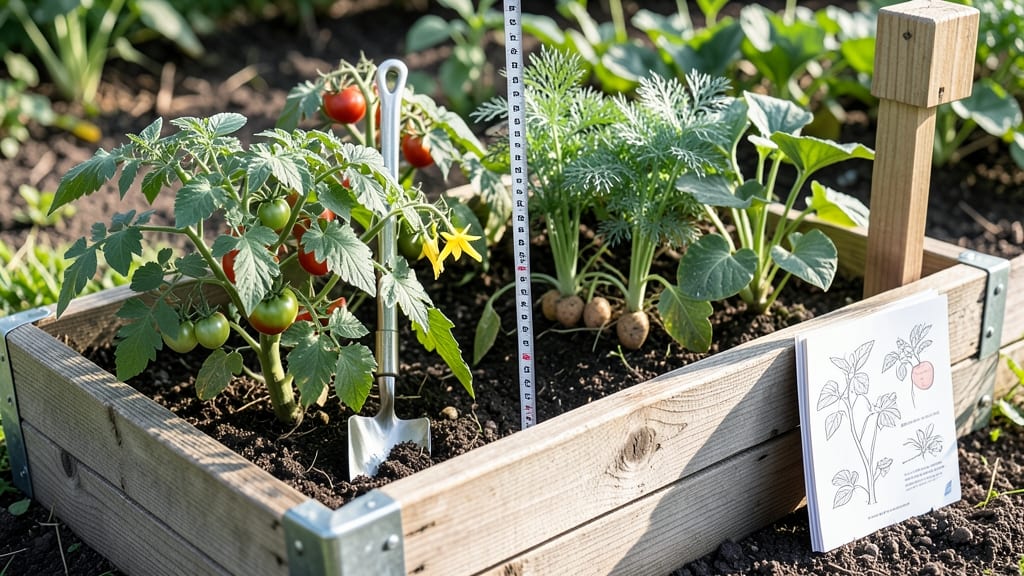
A raised garden bed needs to be 6 to 12 inches tall to support most vegetables' root systems, while deeper beds (12–18 inches) are ideal for root crops like carrots or potatoes. The height also makes gardening tasks more comfortable by reducing bending.
A raised garden bed's height directly impacts what you can grow.
Shallow-rooted plants like lettuce or herbs thrive in 6-inch beds, while deeper-rooted varieties such as tomatoes or peppers need 12 inches or more to spread comfortably. 🌱 The extra depth also improves drainage and reduces compaction from foot traffic.
For accessibility, taller beds (10–12 inches) minimize bending, making them ideal for gardeners with mobility concerns.
When designing your bed, consider both plant needs and your own comfort. A 12-inch height strikes a balance for most gardeners, accommodating a wide range of vegetables while keeping maintenance manageable.
For root crops like potatoes or carrots, extending to 18 inches ensures they have enough space to develop fully without becoming stunted.
💡 In This Article
- Root Depth Requirements for Different Plants in Raised Beds
- Accessibility and Ergonomics: Choosing the Right Raised Bed Height
Root depth requirements for different plants in raised beds
Plant roots grow to specific depths based on their species, and this determines your raised bed's minimum height. Shallow-rooted plants like lettuce, spinach, and herbs typically develop roots only 4–6 inches deep, making 6-inch beds perfect for them.
These plants absorb nutrients quickly from the topsoil layer, so deeper beds won't benefit them but may increase water evaporation. 🌱 Meanwhile, medium-rooted crops like tomatoes, peppers, and bush beans need 12–18 inches of soil to support their sprawling root systems and heavy foliage.
The science behind this lies in how roots access nutrients and water. Deeper beds improve drainage and reduce soil compaction, which is critical for root crops like carrots or potatoes that need 18–24 inches of loose soil to grow straight and unobstructed.
For example, a potato plant's tubers form underground at varying depths, and a 12-inch bed would stunt their growth compared to a 24-inch deep bed. The extra depth also allows roots to explore more soil volume, accessing nutrients like nitrogen and phosphorus that leach downward over time.
When planning your bed, consider the mature size of each plant. A 6-inch bed works for quick harvests like radishes or green onions, while a 12-inch bed is ideal for tomatoes, which develop roots up to 18 inches deep but benefit from the additional height for stability.
For root vegetables, the rule of thumb is to match the bed height to the plant's mature root depth—carrots need 12–18 inches, while beets or turnips can thrive in 10–12 inches.
Another factor is soil composition. In raised beds, soil mixes often include compost and organic matter that break down faster than native soil. This means nutrients deplete more quickly, and deeper beds help replenish them over time.
For instance, a 12-inch bed with a balanced mix of topsoil, compost, and perlite will retain moisture longer than a 6-inch bed, reducing the need for frequent watering. 💧 This is especially important in hot climates where shallow beds dry out rapidly.
For gardeners with limited space, a compromise is to use 12-inch beds and prioritize medium-to-deep-rooted crops while reserving shallower containers for herbs and greens. This approach maximizes yield without sacrificing accessibility.
For example, a 4' x 8' bed at 12 inches can accommodate tomatoes, peppers, and carrots in the same space, making it efficient for small gardens.