
Size
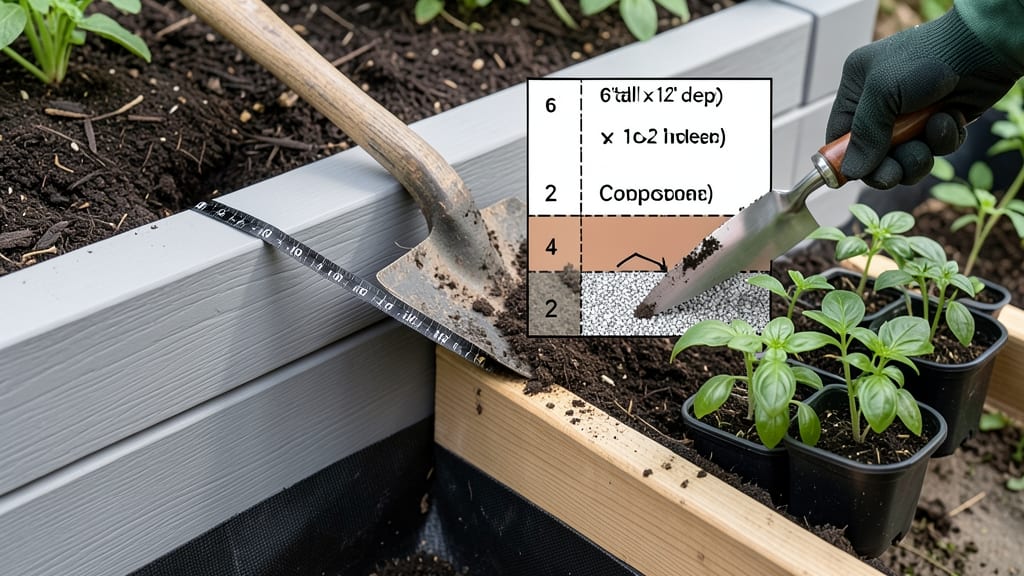
To determine how tall a raised garden bed should be, aim for 6 to 12 inches for most vegetables to ensure proper root development and drainage. Deeper beds (12–18 inches) accommodate root crops like carrots, while taller beds (18+ inches) enhance accessibility and soil retention for larger plants.
A raised garden bed's height directly impacts plant growth and soil health. 🌱 The standard 6–12 inch range prevents soil compaction while giving most vegetables enough space to establish strong roots.
For deeper-rooted plants like potatoes, the extra 6 inches of depth makes all the difference in yield and ease of harvest. I've found that taller beds also reduce bending and strain on my back—especially helpful when dealing with heavy soil or frequent watering.
Another key factor is drainage: taller beds allow excess water to escape more easily, preventing root rot. If your garden sits in an area with heavy clay or poor drainage, consider adding a layer of gravel at the bottom before filling with soil.
This simple adjustment can transform problematic soil into fertile growing space. For container gardening or small spaces, even a 12-inch height can make a big difference in plant performance.
💡 In This Article
- Optimal Raised Garden Bed Height by Plant Type
- Building and Maintaining the Perfect Raised Garden Bed
Optimal raised garden bed height by plant type
The height of your raised bed directly influences root development and soil health. Most vegetables thrive in beds that are 6 to 12 inches tall—this depth provides enough space for root systems to spread while preventing soil compaction.
For example, leafy greens like lettuce or spinach only need about 4-6 inches of soil, while shallow-rooted herbs such as basil or thyme do well in 6-8 inches.
The extra height helps maintain loose, aerated soil that roots can easily penetrate, reducing the risk of waterlogging or nutrient depletion. 🌱
Root crops like carrots, potatoes, and beets require deeper beds—12 to 18 inches—to accommodate their long taproots. Without sufficient depth, these plants become stunted or forked, as their roots struggle to grow downward.
I’ve noticed that even 12-inch beds can work for shorter varieties like radishes, but deeper beds (18+ inches) are ideal for heirloom or long-rooted varieties. The extra depth also makes harvesting easier, as you won’t have to dig as deeply to reach mature roots.
Taller beds (18+ inches) offer additional benefits, especially for larger plants like tomatoes, peppers, or bush beans. The increased height improves soil retention, reducing the need for frequent watering, and makes gardening more accessible for people with mobility challenges.
For container gardening or small spaces, even a 12-inch height can maximize growing space, though you may need to choose smaller varieties or use vertical supports. In heavy clay soils, taller beds also help break up compaction and improve drainage, creating a more forgiving growing environment. ✨
Drainage is another critical factor influenced by height. Beds that are too shallow can become waterlogged, especially in rainy climates, while taller beds allow excess water to drain away more efficiently.
If your garden sits in an area with poor drainage, adding a 2-4 inch layer of gravel or coarse sand at the bottom of the bed can further enhance water flow without restricting root growth.
This layer acts as a natural filter, preventing soil from washing away while keeping roots well-oxygenated.
For flowers and ornamental plants, height requirements vary widely. Shallow-rooted perennials like lavender or sedum thrive in 6-8 inches of soil, while deeper-rooted shrubs or small trees may need 12-18 inches. The key is matching the bed height to the plant’s natural root structure.
For example, a 12-inch bed is perfect for most annuals, but taller beds (18+ inches) can support larger shrubs or even small fruit trees with proper soil layering and support structures.
One common mistake is assuming that taller always means better. While deeper beds offer advantages, they also require more soil and materials to fill. For small gardens or budget constraints, a 12-inch bed is often the sweet spot—balancing root space, accessibility, and cost.
Always consider your specific plants, climate, and soil type when deciding on height. The right depth ensures healthier roots, better yields, and less maintenance in the long run. 💫