Landscaping
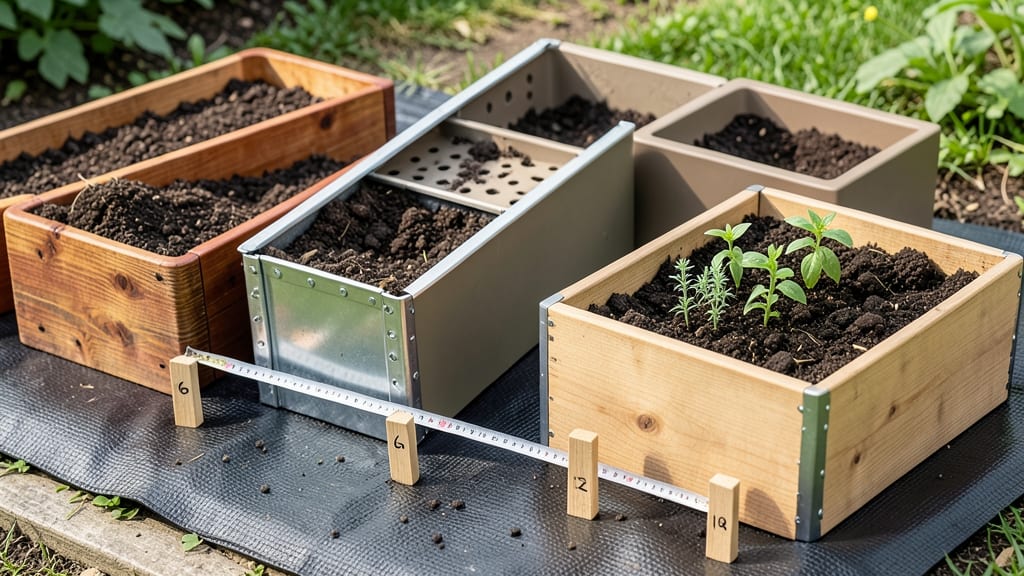
Wondering how tall to make raised garden beds? Aim for 6 to 12 inches of soil depth—enough for root growth while keeping them manageable for weeding and harvesting.
Struggling to decide how tall your raised garden beds should be? The right height makes all the difference—affecting root growth, drainage, and even what plants thrive in your space.
Too shallow, and root crops like carrots or potatoes won’t develop fully. Too tall, and you’ll spend more time bending over than gardening. Plus, taller beds drain faster, which can be a problem in heavy rain or if you’re growing moisture-loving plants.
In this guide, I’ll break down the ideal heights for different crops, how to adjust for your soil type, and the ergonomic perks of beds that hit just below your waist. Let’s get your garden growing at the perfect height!

Ideal raised garden bed heights by plant type and root depth requirements
When building raised garden beds, the height you choose isn't just about aesthetics—it directly impacts your plants' ability to thrive. Root depth and drainage requirements vary dramatically between plant types, from shallow-rooted herbs to deep-rooted vegetables like asparagus.
A bed that's too shallow will stunt growth, while one that's overly tall can create maintenance challenges and poor moisture control.
For most gardeners, 6 to 12 inches of soil depth is a great starting point, but this can change based on what you're growing. Leafy greens and shallow-rooted herbs like basil or thyme do well in beds just 6 to 8 inches deep, while root vegetables like carrots or beets need at least 10 to 12 inches to prevent forking or stunted growth.
Deep-rooted perennials like asparagus or rhubarb require 18 inches or more to establish properly.
Beyond soil depth, consider your own ergonomic needs. Beds that are 2 to 3 feet tall reduce bending and strain, making gardening more comfortable for your back. However, taller beds may require additional support to prevent warping and can dry out faster, needing more frequent watering.
Let's break down the ideal heights for different plant categories to help you design the perfect raised bed for your garden.
Pro Tip: Always include a drainage layer at the bottom of your raised bed—landscape fabric followed by 2 to 4 inches of gravel or coarse sand prevents waterlogging and root rot, no matter the height.
| Plant Type | Minimum Soil Depth | Recommended Bed Height | Drainage Notes | Example Plants |
|---|---|---|---|---|
| Shallow-Rooted Herbs | 6-8 inches | 8-12 inches | Fast-draining soil; avoid waterlogging | Basil, thyme, parsley, chives |
| Leafy Greens | 6-10 inches | 10-14 inches | Moisture-retentive soil; mulch to retain water | Lettuce, spinach, kale, Swiss chard |
| Root Vegetables | 10-12 inches | 12-18 inches | Loose, stone-free soil; deep watering | Carrots, beets, radishes, turnips |
| Fruiting Vegetables | 12-18 inches | 18-24 inches | Balanced drainage; avoid soggy soil | Tomatoes, peppers, eggplants, cucumbers |
| Deep-Rooted Perennials | 18+ inches | 24-36 inches | Well-aerated soil; deep watering roots | Asparagus, rhubarb, artichokes, horseradish |
| Shrubs & Small Trees | 24+ inches | 36+ inches (or ground planting) | Rich, deep soil; mulch heavily | Blueberries, raspberries, dwarf fruit trees |
For shallow-rooted herbs, an 8-inch-deep bed is perfect—these plants thrive in compact spaces and don't need much depth. Leafy greens like lettuce and spinach benefit from slightly deeper beds (10-14 inches) to support their fibrous root systems and retain moisture.
If you're growing root vegetables, aim for at least 12 inches of soil depth to prevent forking and ensure straight, tender roots.
When it comes to fruiting vegetables like tomatoes or peppers, deeper beds (18-24 inches) provide the stability and soil volume needed for robust growth.
These plants also benefit from the extra height, which helps keep fruit off the ground and reduces disease risk. Deep-rooted perennials like asparagus are the exceptions—they need at least 18 inches of soil to establish their extensive root systems properly.
If you're planning to grow shrubs or small trees, raised beds might not be the best solution. These plants typically require 24+ inches of soil depth and are better suited for in-ground planting or very large, deep containers.
However, if you're determined to grow them in raised beds, consider 36-inch-tall beds or larger to accommodate their root systems.
Don't forget to factor in drainage and soil quality. Even with the right height, poor drainage can lead to root rot. Always use a gravel or sand base layer and mix in organic matter like compost to improve soil structure.
For taller beds, consider adding drip irrigation to ensure even water distribution and prevent dry spots.
Finally, think about accessibility and maintenance. Beds that are 2 to 3 feet tall are ideal for reducing back strain
How to choose raised garden bed height based on your soil and climate
Choosing the right height for your raised garden beds isn't just about aesthetics—it directly impacts root development, drainage efficiency, and even how well your plants handle seasonal temperature shifts.
In colder climates like USDA Zone 4, deeper beds protect roots from frost, while in hot, dry regions like Zone 9, taller beds help retain moisture. Let's break down how to tailor your bed height to your specific conditions.
Your local soil composition plays a surprisingly big role. Heavy clay soils benefit from 12-inch minimum depths to prevent compaction, while sandy soils can work with shallower beds—just add organic matter to improve moisture retention.
Climate factors like frost depth (check your USDA zone) and rainfall patterns further refine these recommendations. For example, in Pacific Northwest regions with high rainfall, taller beds with drainage holes become essential.
- 1 Frost Depth: Add 4-6 inches to your bed height if your region experiences deep frost (e.g., Minnesota or Montana). For example, in Zone 3 with 40-inch frost lines, aim for 18-inch beds to protect root zones.
- 2 Soil Type: Clay-heavy soils need 12-18 inches of depth to prevent waterlogging, while sandy soils can work with 6-12 inches if amended with compost. Test your soil's drainage by filling a jar with soil and water—if it takes more than 30 minutes to drain, deeper beds are critical.
- 3 Moisture Retention: In arid climates (e.g., Arizona or California), opt for 18-inch beds filled with moisture-retaining mixes like coconut coir and peat. For humid regions (e.g., Florida), prioritize drainage holes and 12-inch minimum depths to avoid root rot.
- 4 Container Adjustments: For portable containers, limit heights to 12 inches max for easy moving. Use lightweight fill like perlite or vermiculite to reduce weight. Permanent beds can go up to 36 inches, but ensure structural support for taller walls.
- 5 Accessibility: For wheelchair-friendly gardens, build beds 30-36 inches tall with wide pathways. For kids' gardens, keep heights at 6-12 inches to encourage hands-on planting. Always consider ergonomic reach—most adults prefer 24-30 inches for comfortable tending.
Don't overlook the materials you choose—cedar and redwood naturally resist rot but may require additional height for structural integrity compared to treated lumber. For example, a 36-inch cedar bed needs stakes or braces to prevent leaning, while a 24-inch treated wood bed can stand unsupported.
If you're growing deep-rooted plants like asparagus or artichokes, plan for 18-24 inches of soil depth, but add 6-12 inches extra for mulch and seasonal amendments.
Pro tip: Layer your beds with cardboard or landscape fabric at the bottom to block weeds, but leave gaps for drainage. In cooler climates, add a 4-inch layer of straw mulch in winter to insulate roots.
For hot climates, use straw or wood chips to keep soil temperatures stable. Always monitor your beds after heavy rains—standing water for more than 24 hours signals you need better drainage or a shallower bed.
Remember, there's no one-size-fits-all answer. Start with a 12-inch bed for most vegetables, then adjust based on your local conditions. If you're unsure, dig a test hole in your yard—if water pools after 30 minutes, deeper beds are your best bet. Happy planting! 🌱