How To
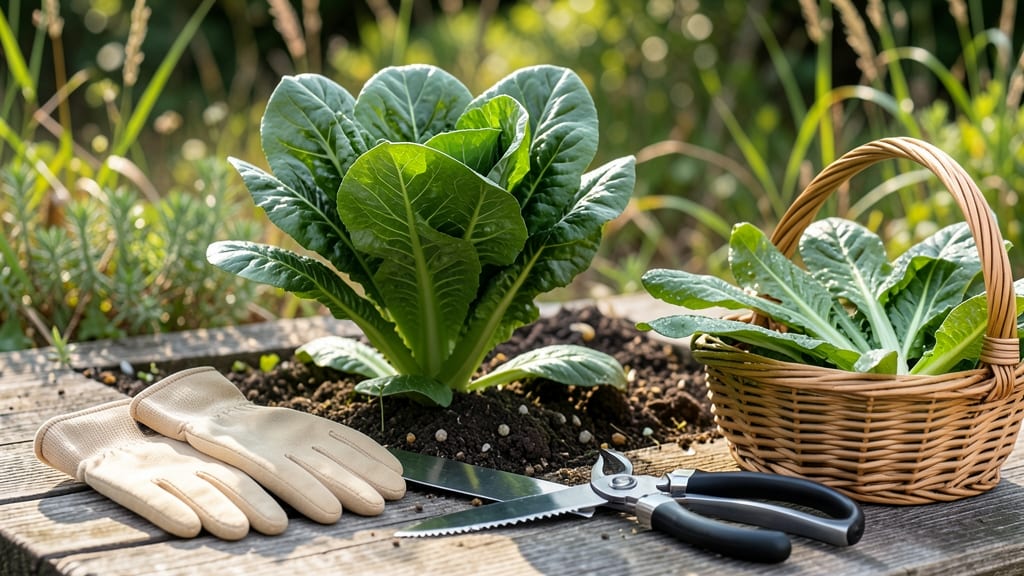
To harvest romaine lettuce from your garden at its peak crispness and flavor, wait until the outer leaves reach 8-12 inches—that’s when they’re ready to cut without bitterness creeping in.
There’s nothing like biting into a homegrown romaine leaf—crisp, fresh, and completely free of the bitterness that often ruins store-bought greens. But timing your harvest correctly is the secret to unlocking that perfect flavor and texture.
Romaine 🥬 thrives in cooler weather, so spring and fall are the best times to harvest. In USDA Zone 6a, aim for late May or September when leaves are deep green and firm. Cutting at the right stage ensures your plant keeps producing for weeks.
Below, I’ll walk you through the exact steps—from the best tools to use to how to encourage regrowth—so you can enjoy a steady supply of garden-fresh romaine all season long.


When and how to harvest romaine lettuce for maximum flavor and texture
Romaine lettuce reaches its peak flavor and texture when harvested at the right stage—typically when the outer leaves grow to 8-12 inches in length. This size ensures crispness without bitterness, which often develops when leaves mature too long.
The key is to cut leaves before the plant bolts or develops woody stems, which ruin tenderness.
Timing your harvest depends on your climate. In USDA Zone 6a, aim for late spring (May-June) or early fall (September-October) when temperatures stay mild. If you're growing in warmer zones, focus on early morning harvests to avoid heat stress, which triggers bitterness.
Always check for deep green color and firm stems before cutting.
Here’s a quick reference to help you identify the perfect harvest window and avoid common mistakes:
| Stage | Leaf Size | Color | Texture | Action |
|---|---|---|---|---|
| Early Growth | 3-6 inches | Light green | Soft | Avoid harvesting |
| Ideal Harvest | 8-12 inches | Deep green | Crisp | Cut outer leaves |
| Over-Mature | 12+ inches | Yellowing | Bitter, tough | Remove entire head |
| Bolting | Any size | Pale, elongated | Woody | Pull plant |
To harvest, use a sharp pair of garden shears or a knife to cut leaves at a 45-degree angle, about an inch above the base. This encourages regrowth and prevents disease.
Always harvest the outer leaves first, leaving the inner leaves to continue growing. This method extends your harvest by 3-4 weeks per plant.
If you’re growing romaine in containers or small gardens, space plants 12 inches apart to allow room for leaf expansion. Overcrowding leads to smaller, bitter leaves. In warmer climates, provide afternoon shade with a lightweight row cover to prevent bolting and maintain crispness.
After harvesting, rinse leaves in cool water to remove dirt, then pat dry with a clean towel. Store in an airtight container lined with a paper towel to absorb moisture.
Keep romaine in the crispest drawer of your fridge (usually the one with the highest humidity) for up to 10 days of freshness.
One of my favorite tricks to extend the harvest season is to plant a second crop in late summer for a fall harvest. Use shade cloth during peak afternoon heat to keep leaves tender.
With the right timing and care, you can enjoy homegrown romaine from spring through fall, avoiding the bitterness of store-bought greens entirely.
Remember, the goal is to balance harvest and regrowth. If you cut too aggressively, the plant may struggle to recover. Aim to remove no more than one-third of the plant at a time, and always leave the central growth point intact for future harvests.
With these techniques, your romaine will stay crisp, flavorful, and ready for your next salad—no bitterness in sight! 🥬✂️💧
Pro tips to prevent bitterness and extend your romaine lettuce harvest
Bitterness in romaine lettuce is usually a sign of heat stress or over-maturity. When temperatures climb above 80°F (27°C), lettuce starts producing bitter compounds as a survival mechanism. Similarly, leaving leaves on the plant too long causes them to toughen and develop a bitter taste.
The key is to harvest at the right time and create ideal growing conditions.
To keep your romaine sweet and crisp, focus on consistent moisture and moderate shade during hot afternoons. Mulching with straw or shredded leaves helps retain soil moisture and keeps roots cool.
I’ve found that a 3-inch layer of mulch can reduce soil temperature by up to 10°F (5°C), making a huge difference in flavor.
Watering plays a critical role in preventing bitterness. Deep watering in the morning (1 inch per week) encourages strong root growth, while evening watering can lead to fungal issues. Avoid letting the soil dry out completely—lettuce roots are shallow and sensitive to drought stress, which triggers bitterness.
⚠️ Harvesting Mistakes That Cause Bitterness
Cutting romaine at the base of the stem instead of above a leaf node kills the plant. Always leave 1-2 inches of stem to encourage regrowth. Over-mature heads (woody stems) and heat-stressed leaves (yellowing edges) are prime culprits for bitterness.
💡 Pro Tip: Harvest outer leaves first when they reach 8-12 inches. This method lets the plant keep producing for 4-6 weeks!
For shade solutions, consider using floating row covers or lightweight shade cloth (30-50%) during peak summer hours. I’ve had great success with white shade cloth, which blocks harmful UV rays while still allowing light for photosynthesis. Position it to provide afternoon shade when temperatures exceed 75°F (24°C).
To extend your harvest season, succession planting is your best friend. Sow new seeds every 2-3 weeks in spring and fall. In USDA Zone 6a, this means starting your first batch in March and your last in August for fall harvests.
This staggered approach ensures you always have fresh, tender romaine ready to pick.
When harvesting, use a sharp knife or pruning shears to cut leaves at a 45-degree angle just above a leaf node. This technique promotes faster regrowth. Avoid pulling leaves—it damages the plant and invites pests.
After harvesting, rinse leaves in cool water and pat dry with a clean towel to remove dirt and bacteria.
With these tips, you’ll enjoy sweet, crisp romaine all season long—no bitterness in sight! The key is staying proactive with watering, shade, and timely harvests. Happy gardening! 🥬