
Advice
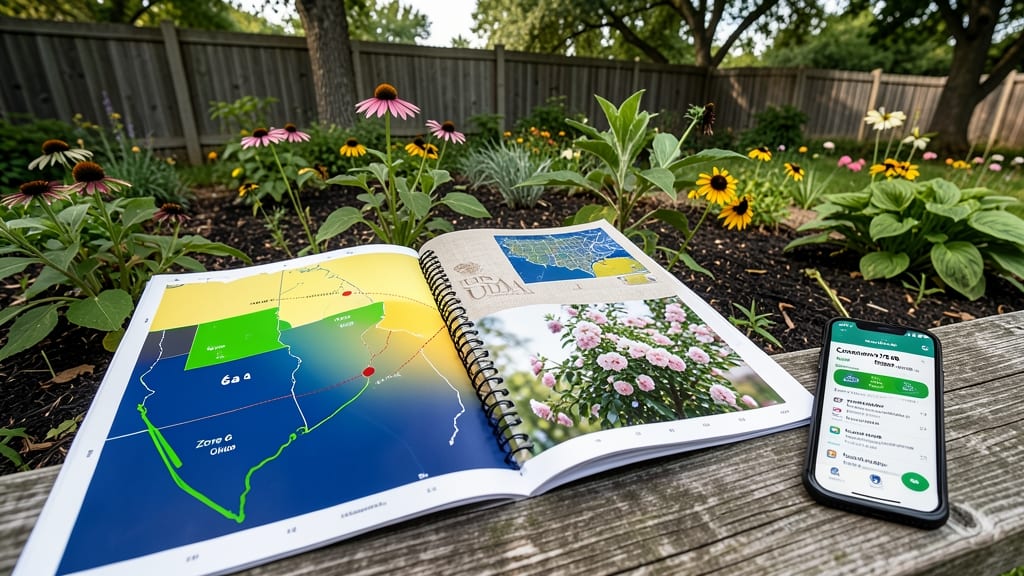
Cincinnati, Ohio, sits in USDA Hardiness Zones 6a-6b, which means your garden choices hinge on understanding these numbers—because the wrong plant could freeze in winter or bolt in summer.
If you’re planning your Cincinnati garden but unsure which plants will thrive, knowing your USDA zone is the first step—because planting the wrong flowers or veggies in this Ohio city could mean wasted effort (or dead plants!).
Zone 6a (average minimum -10°F) and 6b (-5°F) shape everything from frost dates to which perennials return year after year. The difference between these two zones might seem small, but it can mean the success or failure of frost-sensitive crops like tomatoes or peppers.
Here’s what you need to know to pick the right plants, time your spring starts correctly, and avoid common mistakes that even experienced gardeners make in Cincinnati’s climate.
Cincinnati’s exact USDA Zone 6a-6b: what it means for your garden
If you’re planning your Cincinnati garden, knowing you’re in USDA Zone 6a-6b is your secret weapon. This zone determines which plants will thrive year-round without extra protection, saving you time and frustration. With average winter lows between -10°F and 0°F, your garden choices must balance resilience and beauty.
Cincinnati’s climate means you get roughly 165 frost-free days each year, stretching from mid-April to late October. This window is perfect for warm-season crops like tomatoes and peppers, but cool-season veggies like kale and spinach also excel when planted early or late.
Here’s what you need to know about Cincinnati’s exact zone and how it shapes your gardening strategy:
Understanding these climate specifics helps you plan your garden like a pro. For example, Zone 6b (warmer) gives you a slightly longer growing season, while Zone 6a (colder) requires more winter protection for tender plants. This distinction matters when choosing perennials or fruit trees that need consistent cold exposure.
Some hardy perennials that thrive in Cincinnati’s winters include coneflowers, black-eyed Susans, and daylilies. These plants survive -10°F winters without mulch, making them low-maintenance choices. For trees, redbuds and serviceberries are excellent options, as they handle Cincinnati’s temperature swings beautifully.
If you’re growing vegetables, focus on cold-hardy varieties like kale, broccoli, and peas for early spring or late fall. These crops tolerate light frosts, giving you harvests before or after the main growing season.
For summer, tomatoes and peppers love Cincinnati’s heat, but plant them after the last frost to avoid damage.
Don’t forget about microclimates in your area. Urban spots may be 2-5°F warmer than rural zones due to pavement and buildings. This means your downtown garden might behave like a Zone 7a in summer, while countryside areas stay truer to 6a-6b.
Use this knowledge to place heat-sensitive plants in cooler microclimates, like north-facing yards or shaded areas.
For winter prep, mulch perennials and shrubs with 3-4 inches of organic mulch (like shredded leaves) to insulate roots. This extra layer can protect plants down to -20°F, giving you peace of mind during harsh winters.
Even in Zone 6a, this simple step ensures your garden recovers quickly in spring.
Finally, Cincinnati’s zone affects season extension strategies. Use row covers or cold frames to push your growing season earlier or later by 3-4 weeks. This is especially useful for frost-sensitive crops like basil or cucumbers, letting you enjoy fresh harvests longer than the typical frost dates suggest.
With this zone knowledge, your Cincinnati garden can flourish year-round—whether you’re growing flowers, veggies, or trees. Start by choosing plants that match your zone’s extremes, and soon you’ll have a thriving garden that’s as resilient as
Best plants for Cincinnati’s Zone 6a-6b: a seasonal planting calendar
Cincinnati’s Zone 6a-6b climate offers a 165-day growing season, but timing is everything—plant too early, and frost will kill tender crops; too late, and you’ll miss peak harvests. The key is matching frost-sensitive plants (like tomatoes) with frost-tolerant varieties (like kale) to maximize your garden’s potential.
Spring starts after the average last frost date (April 15), while fall planting wraps up by October 15 to avoid early freezes.
Below, I’ve organized the best annuals, perennials, trees, and vegetables by planting season, so you can plan with confidence and avoid common mistakes like bolting lettuce or frozen peppers.
- Spring (March–May): Start cool-season crops (like peas and spinach) 4–6 weeks before last frost. Plant warm-season staples (tomatoes, peppers) after May 1 when soil hits 60°F.
- Summer (June–August): Succession plant fast-growing veggies (bush beans, radishes) every 2–3 weeks. Mulch perennials and shrubs to retain moisture during hot, dry spells.
- Fall (September–October): Sow frost-hardy crops (kale, carrots, garlic) by September 15 for winter harvests. Protect tender perennials (like lavender) with mulch or row covers before first frost (Oct 31).
- Year-Round Winners: Perennials (coneflowers, daylilies) and trees (redbud, serviceberry) thrive in Zone 6b’s -5°F winters. Evergreens (juniper, arborvitae) add winter interest without extra care.
For spring planting (March–May), focus on cool-season vegetables like broccoli, lettuce, and peas—these tolerate light frosts and even thrive when temperatures dip. Direct-sow radishes and spinach as early as March 1, while transplanting cabbage and Brussels sprouts by April 15 ensures they mature before summer heat.
Once the last frost passes (mid-April), shift to warm-season crops: tomatoes, peppers, and cucumbers need consistent warmth to set fruit.
Use black plastic mulch to warm soil faster and deter weeds. Herbs like basil and cilantro also thrive in summer but bolt quickly—sow cilantro in early spring or fall to avoid this.
Fall is my favorite season for low-maintenance gardening—plant garlic and onions in October for next year’s harvest, and direct-sow kale, carrots, and beets by September 1. These crops sweeten after frost, making them perfect for Zone 6a-6b’s chilly winters.
Don’t forget perennial flowers like asters and sedum—they add late-season color and return year after year.
To extend your growing season, use row covers or cold frames for early starts or late finishes. For example, spinach and arugula can grow under covers until November 1, while broccoli and cauliflower benefit from spring frost protection if planted early.
Even frost-tolerant strawberries produce sweeter fruit when harvested after a light freeze.
Pro tip: Keep a gardening journal to track your Cincinnati-specific successes and failures. Note which tomato varieties ripen before frost, which perennials survive winter without mulch, and which annuals bolt too quickly.
Over time, you’ll fine-tune your planting calendar to match your microclimate—whether you’re in a urban heat island or a rural cooler pocket.