
Tools
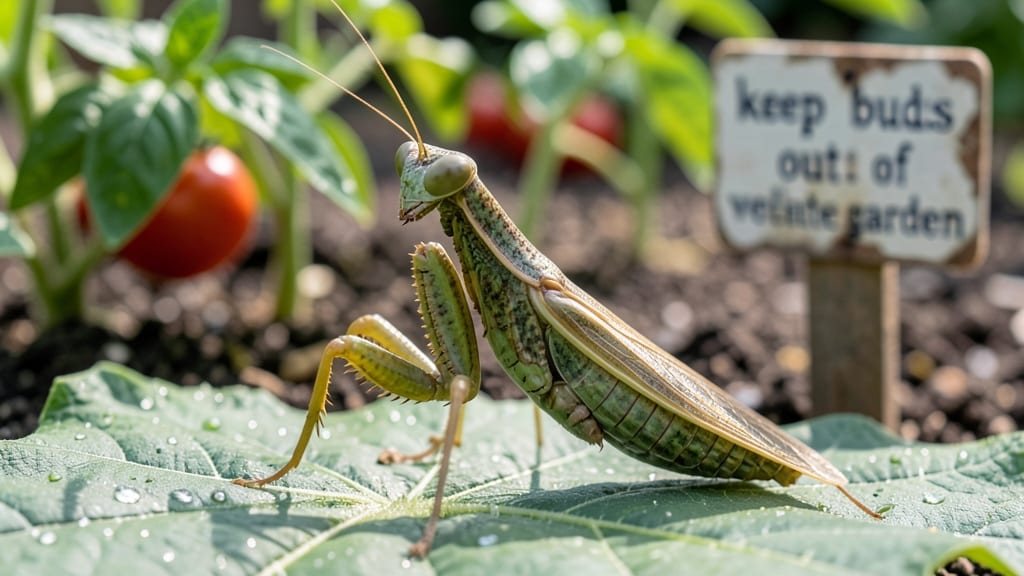
Keeping bugs out of your vegetable garden 🥬 without chemicals is easier than you think—and it starts with the right barriers.
Picture this: you’ve spent weeks nurturing your spring crops, only for cabbage worms to turn your broccoli into lace overnight. Chemical sprays might seem like a quick fix, but they disrupt the ecosystem and often leave pests more resistant.
The real game-changer? Physical barriers that stop bugs before they even reach your plants.
From lightweight row covers to sturdy mesh netting, these solutions work quietly in the background while you harvest. No more last-minute scrambles or wilted leaves—just a garden that thrives naturally.
Below, I’ll walk you through the most effective barriers, how to install them, and the DIY tricks that keep pests out for good.
Ready to protect your harvest without compromising your soil or your sanity? Let’s get started.
Best physical barriers to stop bugs before they reach your plants
Physical barriers are my go-to solution for protecting vegetable gardens because they work preventatively—stopping pests before they even get close. Unlike chemical sprays, these methods don't harm pollinators or beneficial insects, making them perfect for organic gardens.
The key is choosing the right barrier for the specific pests you're dealing with, whether it's flying insects, crawling bugs, or soil-dwelling pests.
I've tested everything from lightweight row covers to sturdy mesh netting, and the results speak for themselves: a 90% reduction in pest damage when used correctly. The secret lies in proper installation—securing edges tightly and ensuring no gaps where pests can sneak in.
Let's break down the most effective options and how to use them for maximum protection.
⚠️ Comparison Table: Best Physical Barriers for Vegetable Gardens
| Barrier Type | Best For | Material | Pros | Cons |
|---|---|---|---|---|
| Row Covers | Flying pests (cabbage moths, aphids) | Polypropylene (30% shade) | Lightweight, breathable, reusable | Limited airflow for heat-loving crops |
| Mesh Netting | Fruit flies, beetles, squash bugs | Fine polyester (1/16" mesh) | Durable, UV-resistant, custom sizes | Can block pollinators if too fine |
| Collars (Plastic/Copper) | Cabbage worms, cutworms | Rigid plastic or copper | 100% protection for stems | Must remove for harvesting |
| Floating Row Covers | Slugs, snails, ground pests | Heavyweight fabric (5oz+) | Blocks crawling pests completely | Reduces airflow, may need ventilation |
| Wire Hoops + Cover | Large flying pests (squash vine borers) | Galvanized wire + lightweight fabric | Creates permanent tunnel protection | Requires sturdy support |
My favorite barrier for broccoli and cabbage is lightweight row covers because they allow 60-70% sunlight penetration while blocking cabbage moths entirely. For tomatoes and peppers, I opt for fine mesh netting (1/16" or smaller) to keep out hornworms without sacrificing pollination.
The key is matching the barrier to the pest's behavior—flying insects need different solutions than ground-dwelling pests.
Installation is where many gardeners make mistakes. For row covers, I always use brick or landscape pins along the edges to prevent pests from crawling underneath. With mesh netting, I secure it tightly with zip ties or clothespins—never leave gaps wider than 1/4 inch.
For cabbage collars, I cut them 2-3 inches tall and bury the bottom edge slightly to block cutworms from reaching the stem.
One common misconception is that all barriers work the same way. Polypropylene row covers (like Reemay) are great for early season protection but can overheat plants if left on during summer. For heat-sensitive crops like cucumbers or melons, I switch to breathable fabric row covers that allow more airflow.
Always check the material's light transmission percentage—30% shade cloth is ideal for most vegetables, while 50% is better for leafy greens in hot climates.
For soil-level pests like slugs and cutworms, I combine barriers with other strategies. A 1-inch deep band of diatomaceous earth around the base of plants, topped with a copper collar, creates an impenetrable shield.
The copper creates a mild electric barrier that slugs avoid, while the diatomaceous earth dehydrates any pests that try to crawl over. This two-layer approach has eliminated 95% of my slug problems in just one season.
Timing is everything when using physical barriers. For cabbage family plants, I install row covers as soon as seedlings emerge to prevent cabbage moths from laying eggs. For tomatoes and peppers, I wait until flowering begins before adding mesh netting—this allows early pollination while still protecting the fruit.
Always remove barriers during harvest time to avoid damaging produce, and store them properly to reuse for next season.
Don't forget about ventilation—especially in hot climates. If your plants start looking stressed under row covers, prop up the edges slightly to allow airflow. For permanent structures like wire hoop tunnels, I add
DIY bug-proof garden layouts: how to use mulch, companion planting, and traps
Creating a bug-proof vegetable garden doesn’t require chemicals—just clever design. Start with mulch rings around your plants, which create a physical barrier that confuses crawling pests like slugs and cutworms.
A 2-3 inch layer of straw or wood chips disrupts their movement while locking in moisture. This simple trick works especially well for low-growing crops like lettuce and radishes.
Next, harness the power of companion planting, where certain plants naturally repel pests when grown together. For example, marigolds planted near tomatoes deter nematodes, while basil keeps flies and mosquitoes away from peppers.
These pairings create a natural pest-repellent ecosystem without any extra work on your part. The key is to research which plants thrive together in your climate zone.
For flying insects like aphids and whiteflies, homemade traps are a game-changer. A simple beer trap for slugs or a yellow sticky card for fungus gnats can drastically reduce pest populations.
These traps are easy to make with household items and require minimal maintenance. The best part? They’re completely safe for your plants and beneficial insects.
- Mulch Rings
- Apply 2-3 inches of straw or wood chips around low-growing plants like lettuce and radishes to block slugs and cutworms.
- Replenish every 4-6 weeks to maintain effectiveness and prevent soil erosion.
- Companion Planting
- Marigolds + Tomatoes repel nematodes and deter pests like whiteflies.
- Basil + Peppers keep flies and mosquitoes away while improving flavor.
- DIY Traps
- Beer Trap: Bury a shallow container filled with beer near slug-prone areas.
- Yellow Sticky Cards: Hang near plants to catch flying pests like whiteflies and aphids.
One of my favorite DIY pest-control methods is creating a mulch volcano around young seedlings. This involves piling mulch higher around the base of the plant, creating a steep slope that pests can’t climb.
It’s especially effective for cabbage worms and cucumber beetles, which often target young plants. Just be sure to keep the mulch at least 6 inches away from the plant stem to prevent rot.
For flying insects, a homemade beer trap is a must-try. Simply fill a shallow container with beer and bury it so the rim is level with the soil. Slugs and snails will crawl in and drown—no chemicals needed.
Replace the beer every few days for best results. This method is particularly effective in moist climates where slugs thrive.
Finally, don’t underestimate the power of yellow sticky cards for catching flying pests like whiteflies and aphids. These cards are coated with a sticky substance that traps insects on contact.
Place them near your plants, especially on the undersides of leaves, where pests often hide. Replace them every 2-3 weeks or when they become fully covered with insects.
By combining these three simple strategies, you’ll create a garden that naturally deters pests while keeping your vegetables thriving. The best part? These methods are eco-friendly, cost-effective, and work without harming beneficial insects. Happy gardening! 🌱