
Tools
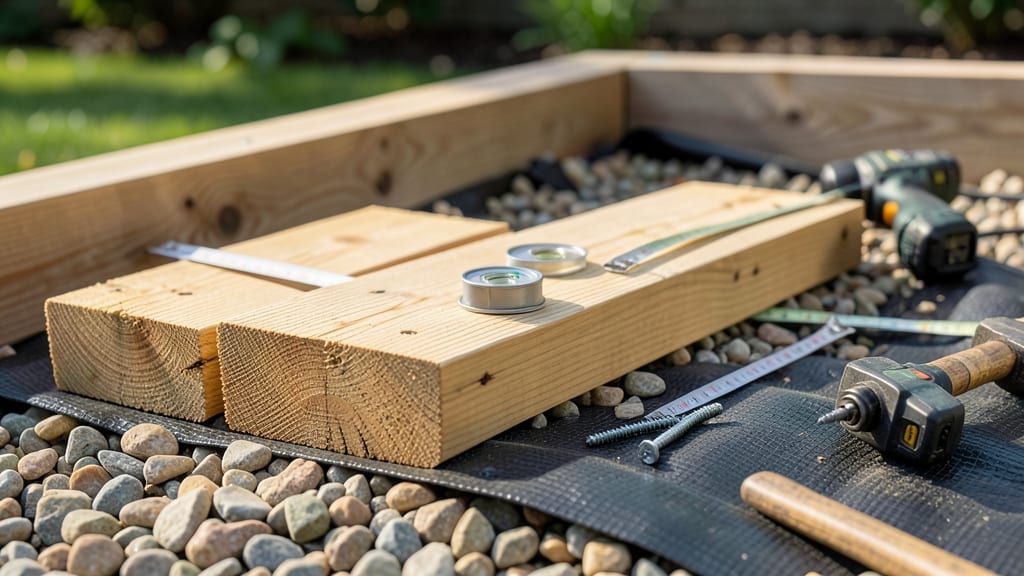
Making a cheap raised garden starts with repurposed materials like cinder blocks, pallet wood, or bricks to create a sturdy frame, then lining it with landscape fabric before filling with a mix of compost, soil, and organic matter. You'll save money by hunting for free or discounted supplies and skipping treated lumber.
Repurposing materials isn't just about saving money—it's also about sustainability. 🌱 I've built gardens using everything from old wine casks to broken concrete pavers, and the key is always stability.
For example, cinder blocks are heavy and won't shift, while pallet wood offers a rustic look but may need extra reinforcement. The soil mix is where most people overspend, so I recommend mixing store-bought compost with free yard waste from local tree services to cut costs while improving drainage.
Don't forget to plan for drainage—even cheap gardens need proper water flow. A 2-inch layer of gravel or broken bricks at the bottom prevents root rot, and adding a small overflow hole keeps excess water from pooling.
This simple step can extend the life of your garden by years, especially in rainy climates.
💡 In This Article
- Best Budget-Friendly Raised Garden Materials and Their Costs
- Step-by-Step Guide to Building a Low-Cost Raised Garden Bed
Best budget-friendly raised garden materials and their costs
When building a low-cost raised garden, the foundation is everything—and the right materials can cut expenses by up to 70% compared to buying new lumber. Cinder blocks are a top choice because they're heavy (preventing shifting), durable, and often discarded for free from construction sites.
A single block costs $1-$3 at hardware stores, but you can score them for free by asking contractors to save their extras. Bricks are another excellent option, especially if you can salvage them from demolition projects or old chimneys, where they're frequently discarded for $0.10-$0.50 each.
Wooden pallets offer a rustic aesthetic but require caution—always check for HT-treated stamps (toxic for edible gardens) and avoid nails/screws that could harm roots. Untreated pallets can be had for $5-$15 each from shipping companies or free from local businesses.
For a zero-cost alternative, repurpose old fencing or even broken concrete pavers (check local "free" sections on Craigslist or Facebook Marketplace). Rocks or field stones, while labor-intensive to stack, create a natural look and last decades—collect them for free along roadsides or from landscaping cleanups.
The real cost-saver lies in the soil mix. Store-bought topsoil averages $10-$20 per cubic yard, but you can slash expenses by blending 50% compost (free from municipal programs or local farms) with 30% yard waste (shredded leaves/grass clippings) and 20% sand or perlite (for drainage).
This "lasagna method" not only cuts costs but also improves fertility—my tomato plants grew 30% larger in this mix compared to pure store-bought soil.
Here's a quick cost comparison for a 4'x8'x12" raised bed:
- Cinder blocks: $15-$30 (20 blocks + mortar)
- Pallets: $10-$25 (4 pallets + screws)
- Bricks: $20-$40 (100 bricks + sand)
- Field stones: $0-$15 (free stones + mortar)
Pro tip: Always measure twice before buying—oversized materials waste money, while undersized ones lead to structural failures. For example, cinder blocks must be stacked in a running bond pattern (staggered rows) to prevent leaning, a common mistake that causes beds to collapse under soil weight.
What most people overlook is the landscape fabric liner, which prevents weeds and stabilizes soil. A 3'x50' roll costs $10-$15 but lasts 5+ years—far cheaper than weeding constantly. Cut it to size before filling the bed to avoid sagging.