
Tools
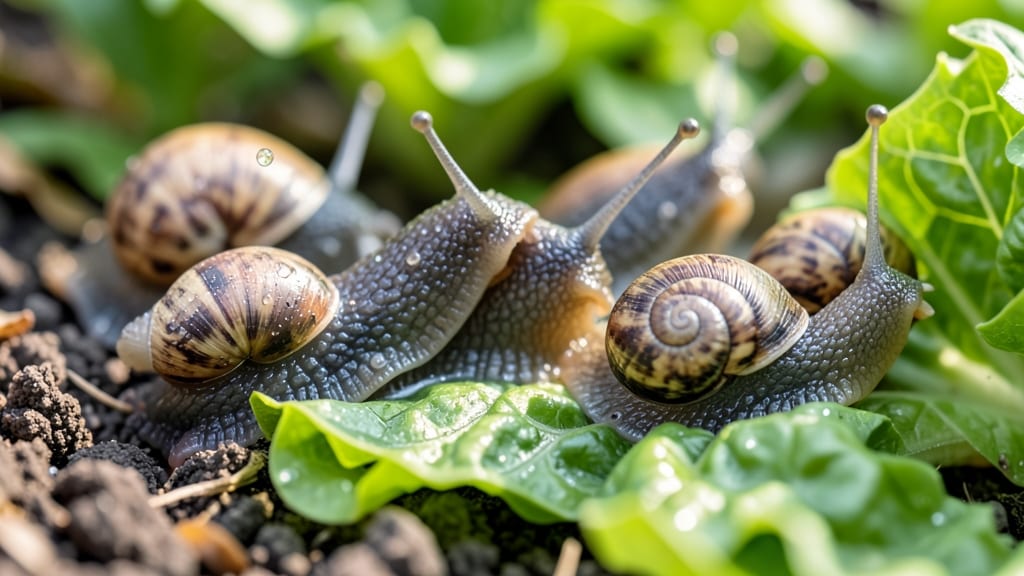
To rid your garden of slugs and snails, you need a mix of smart barriers and natural deterrents that actually work without harming your plants or the ecosystem.
Picture this: you’ve spent hours tending to your garden, only to wake up the next morning and find your favorite plants looking like they’ve been through a salad bar. Slimy trails everywhere?
That’s the telltale sign of slugs and snails turning your hard work into a buffet. But before you grab the strongest chemical you can find, there’s a better way.
Natural barriers like copper tape, crushed eggshells, and even strategic planting of Slug and Snail Repellent Plants 🐌 can create a fortress around your garden. These methods are proven to deter pests while keeping your soil and local wildlife healthy.
No more waking up to destruction—and no more feeling guilty about using harsh chemicals.
In this guide, I’ll walk you through the top natural barriers, how to set them up for maximum effectiveness, and even how to redesign your garden layout to make it slug-proof. Say goodbye to slimy invaders for good!
Top 5 natural barriers to keep slugs and snails out of your garden
Slugs and snails are relentless garden pests that thrive in damp, shaded areas, leaving behind a trail of destruction on your hostas, lettuce, and tomatoes. The good news?
You don’t need toxic chemicals to keep them at bay. These natural barriers leverage science-backed methods to create an unwelcome environment for slugs while protecting beneficial insects and soil health.
Unlike chemical slug baits that harm ecosystems, these solutions focus on physical deterrents and environmental adjustments. The key is consistency—slugs are persistent, so combining multiple barriers works best.
For example, copper tape creates a mild electric shock, while diatomaceous earth dehydrates their soft bodies. Let’s explore the top five methods with step-by-step instructions for maximum effectiveness.
For copper tape, the secret lies in placement—focus on areas where slugs enter, like container edges or low-lying borders. A 1-inch gap between sections can render it ineffective, so overlap edges seamlessly.
Pair it with diatomaceous earth for a two-pronged attack: the copper repels them, while the earth dehydrates any that cross.
Coffee grounds are a gardener’s secret weapon, especially for shaded gardens where slugs flourish. The caffeine in coffee disrupts their nervous systems, making them avoid the area. For best results, mix grounds with sand to improve texture and prevent clumping. This combo works wonders under hostas and ferns, which slugs adore.
Don’t underestimate the power of crushed
How to create a slug-proof garden layout using physical and biological controls
A slug-proof garden starts with smart design choices that make your space unwelcoming to these slimy pests. The key is combining physical barriers with biological controls to create a multi-layered defense system.
Slugs and snails thrive in damp, shaded areas with easy access to food—so by altering these conditions, you can drastically reduce their presence.
One of the most effective strategies is using raised beds. These keep slugs from crawling up from the ground, as they dislike climbing rough or elevated surfaces.
Pair this with strategic mulching—opt for coarse materials like pine needles or gravel instead of fine organic mulch, which slugs love to hide under. Even a few inches of difference can make your garden a no-go zone for these pests.
-
Raised Beds
Elevate vulnerable plants 6+ inches above ground -
Companion Planting
Plant garlic, thyme, or lavender around borders -
Natural Predators
Install birdhouses and frog-friendly ponds -
Coarse Mulch
Use gravel or pine straw instead of wood chips -
Sunlight Exposure
Keep beds in full sun (6+ hours daily)
Don’t overlook the power of companion planting. Slugs and snails avoid strong scents like garlic, thyme, and rosemary, so planting these around vulnerable crops acts as a natural repellent.
For example, surround your hostas or lettuce with thyme—its fragrant leaves create an invisible barrier these pests won’t cross.
Biological controls are equally important. Attracting natural predators like birds, frogs, and ground beetles can reduce slug populations by up to 70%. Install a small frog pond or birdhouse near your garden, and provide hiding spots like logs or dense foliage.
Even a simple toad abode (a shallow dish filled with soil) can become a slug-hunting hotspot overnight.
Finally, lighting and airflow play a huge role. Slugs are nocturnal and dislike dry, sunny conditions. Place solar-powered lights along garden edges to deter nighttime foraging. If your garden has shaded, damp corners, consider adding decorative rocks or gravel paths to break up their favorite hiding spots.
With these design tweaks, your garden will become a slug-free zone without relying on chemicals. The best part? These methods work year after year, making your plants safer and your mornings worry-free. 🌱