Watering
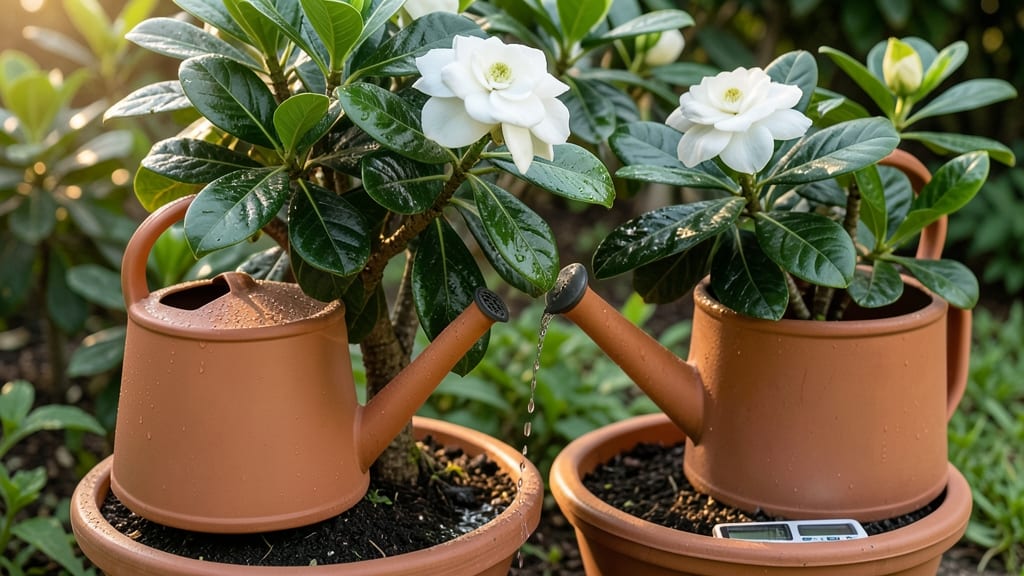
To water gardenias properly, focus on keeping the soil consistently moist without letting it dry out or become soggy — the key to those glossy blooms you love.
Struggling to keep your gardenia blooming? The secret isn’t just in the fertilizer—it’s in mastering the perfect watering routine. Too much or too little, and those fragrant flowers will fade faster than you can say "pruning season."
Gardenia 🌸 roots need steady hydration, but they hate sitting in wet soil. Think of it like a sponge: squeeze it halfway, let it recover, and repeat. Overwatering causes yellow leaves, while underwatering means droopy stems and skipped blooms.
In this guide, I’ll show you exactly how often to water, the best times of day to do it, and how to spot when your plant is thirsty or drowning. By the end, you’ll have a gardenia that stays lush and fragrant all season long.
The ideal watering schedule for gardenias: when, how much, and why timing matters
Gardenia plants 🌸 thrive on a predictable moisture schedule, but their roots despise soggy conditions. Unlike drought-tolerant succulents, gardenias demand consistent hydration—think of it as their version of a spa day. The key is deep watering that reaches the root zone while avoiding surface-level puddles that suffocate roots.
Timing is everything with gardenias. Watering in the early morning (before 10 AM) gives roots time to absorb moisture before the heat of the day. This mimics their natural tropical habitat, where steady rainfall occurs during cooler hours.
Avoid evening watering—it invites fungal diseases like root rot by keeping foliage damp overnight.
Seasonal changes drastically alter your watering routine. In summer months, gardenias may need daily watering, while winter slowdowns reduce frequency to every 10-14 days. The goal?
Keep soil evenly moist but never waterlogged. A simple finger test—inserting your index finger 2 inches into the soil—reveals whether it's time to water or hold off.
| Season | Frequency | Time of Day | Soil Check |
|---|---|---|---|
| Spring | Every 2-3 days | Morning (6-9 AM) | 2" deep moist |
| Summer | Daily (deep soak) | Early morning | Top 1" dry |
| Fall | Every 3-5 days | Morning | 2" deep moist |
| Winter | Bi-weekly | Morning | Top 3" dry |
For container-grown gardenias, the rules change slightly. Potted plants dry out 3x faster than in-ground shrubs because their roots have less access to moisture. Check soil moisture daily in summer—if the top 1 inch feels dry, it's time to water.
Use a self-watering pot or saucer with drainage holes to prevent root suffocation.
New gardenia plants need extra attention. The first 30 days after transplanting are critical—water lightly every other day to help roots establish without shocking the plant. Overwatering at this stage can drown tender new roots before they adapt. Think of it as gentle acclimation, not a full hydration marathon.
One common mistake? Assuming "more water = better blooms." In reality, overwatering triggers leaf drop and stunted growth. The secret lies in consistency. Gardenias respond best to a routine schedule rather than sporadic deep waterings.
Set a reminder on your phone or mark your calendar—your gardenia will thank you with vibrant blooms and glossy foliage.
Pro tip: Use rainwater or distilled water when possible. Gardenias are sensitive to chlorine and fluoride in tap water, which can cause leaf burn. If you must use tap water, let it sit out for 24 hours to allow chemicals to evaporate.
This small adjustment can make a huge difference in leaf health.
Watch for yellowing leaves or drooping stems—these are your gardenia's way of saying "adjust my watering!" Yellow leaves often signal overwatering, while crispy edges mean underwatering or high salt buildup.
The fix? Flush the soil with 2 inches of water to leach out excess salts, then adjust your schedule based on the soil check method.
Remember, gardenias are not drought-tolerant like cacti or lavender. They crave steady moisture but hate soggy conditions. Master this balance, and you'll enjoy fragrant blooms year-round—even during heatwaves. The effort is worth it for those show-stopping white flowers that make every garden feel like a tropical paradise. 🌸
Signs your gardenia is thirsty, overwatered, OR stressed (and how to fix it fast)
Your gardenia 🌸 sends clear signals when its hydration is off. Wilting leaves or yellowing foliage are the most obvious red flags, but subtle clues like brown leaf edges or dropping buds also mean trouble.
The key is acting fast—gardenia roots rot within 48 hours of overwatering, while thirsty plants can recover with proper care.
First, check the soil moisture by sticking your finger 2 inches deep. If it feels dry, your gardenia needs water. If it’s soggy, you’ve overdone it. Root rot is silent until it’s too late, so always prioritize well-draining soil and containers with drainage holes.
🚨 Emergency Water Fixes for Gardenias
If your gardenia is thirsty, soak the soil until water runs out the drainage holes. For overwatered plants, stop watering immediately and repot in fresh, dry soil. Stressed plants need a foliar spray with room-temperature water to revive wilted leaves.
Look for crispy leaf tips—a classic sign of underwatering. These brown edges appear when roots can’t absorb enough moisture, often paired with drooping stems. In contrast, yellow leaves with green veins usually mean overwatering, as roots suffocate in soggy conditions.
Test your gardenia’s stress level by gently tugging on a leaf. If it resists, the plant is healthy. If it pulls away easily, it’s severely dehydrated. In this case, submerge the pot in water for 10 minutes to rehydrate the roots slowly.
Don’t ignore moldy soil or a foul smell—these are late-stage warnings of root rot. Trim affected roots with sterilized scissors and repot in a mix of peat moss and perlite to improve drainage. Prune any blackened stems to prevent further spread.
For preventative care, water gardenias in the morning to allow foliage to dry before nightfall. Use a moisture meter for accuracy, aiming to keep soil at 60% moisture but never waterlogged. Mulch with pine bark to retain moisture without compacting roots.