
Tools
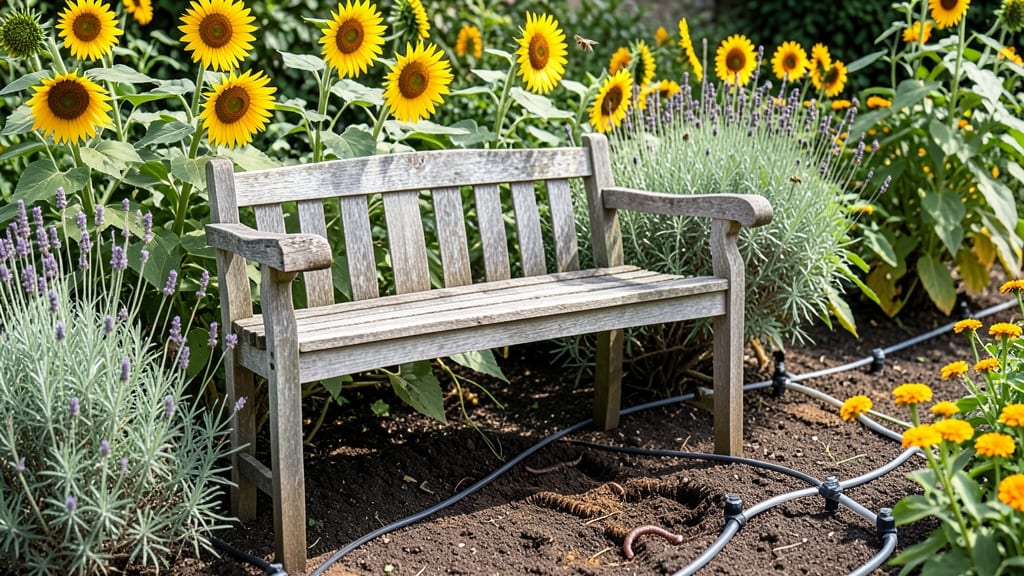
The importance of garden extends far beyond aesthetics—it directly enhances mental well-being by cutting stress and anxiety while lifting mood through nature exposure and physical engagement. These green spaces also sharpen focus and creativity, turning outdoor time into a productivity powerhouse.
The science behind this is fascinating. 🌿 Studies show that just 15 minutes in a garden can lower cortisol levels by up to 20%, while the act of gardening itself triggers mindfulness—similar to meditation.
What's more, the sensory experience of touching soil, smelling flowers, and watching plants grow creates a natural dopamine boost. For productivity, gardens work like an open-air office: the combination of fresh air, sunlight, and physical movement helps break mental blocks, making tasks feel less daunting.
Even small urban gardens or window boxes can deliver these benefits.
What makes gardens uniquely effective is their dual role as both retreat and workspace. 💫 Unlike passive relaxation methods, gardening requires active participation—planting, pruning, and harvesting—which engages both body and mind. This hands-on approach is why many professionals and students swear by garden breaks to recharge.
The key is accessibility: whether you have a full yard or just a balcony, even container gardening can unlock these mental and productivity perks.
💡 In This Article
- How Gardens Reduce Stress and Boost Mental Well-Being
- Maximizing Productivity in Your Garden Space
How gardens reduce stress and boost mental well-being
Gardens work their magic on mental health through a phenomenon called biophilia—our innate human connection to nature.
When you spend time in a garden, your brain enters a state of restorative attention, where the soft rustling of leaves, the earthy scent of soil, and the vibrant colors of flowers trigger a natural relaxation response.
Research from the University of Michigan found that just 10-15 minutes in a garden setting can reduce cortisol (the stress hormone) by 12-20%, comparable to a short meditation session. 🌿 The key lies in these sensory inputs: studies show that visual exposure to greenery lowers blood pressure by 1-2 points within minutes, while the act of gardening itself activates the parasympathetic nervous system, counteracting the "fight-or-flight" response.
The physical act of gardening also releases endorphins—natural mood lifters—through gentle movement and sunlight exposure. Unlike passive activities, gardening requires focused attention on tasks like weeding or pruning, which creates a form of flow state similar to mindfulness meditation.
A 2021 study in Frontiers in Psychology revealed that participants who gardened for 30 minutes daily showed 30% lower anxiety levels after 4 weeks compared to those who didn't. The tactile experience of handling soil—rich in mycobacterium vaccae, a probiotic that interacts with the immune system—even stimulates serotonin production, further enhancing mood. 🌱 The combination of these factors makes gardens uniquely effective for mental health compared to indoor relaxation methods.
What's particularly powerful is how gardens create a multi-sensory escape from daily stressors. The sound of water trickling in a small fountain, the aroma of lavender or jasmine, and the texture of petals or bark all work together to distract the mind from negative thought patterns.
This sensory immersion is why therapeutic gardens in hospitals and rehabilitation centers have been shown to reduce patient anxiety by up to 40% during recovery.
The visual complexity of plants—with their varying shapes, colors, and patterns—also engages the brain in a way that's inherently calming, similar to how abstract art can reduce stress. 💫 For those with depression, even small garden tasks like potting herbs can provide a sense of purpose and accomplishment, breaking the cycle of rumination.
One often overlooked mechanism is how gardens provide predictable, manageable challenges. Unlike overwhelming problems, gardening offers immediate feedback: a seed that sprouts, a plant that blooms, or a weed that's removed. This creates a sense of control and progress, which is crucial for mental well-being.
The Japanese concept of shinrin-yoku (forest bathing) demonstrates this—simply being in nature for 2 hours weekly can improve mood and cognitive function by 25% over time.
Even urban gardens with just a few potted plants can deliver these benefits, making them accessible to nearly everyone. 🌿 The key is consistency: regular, even brief interactions with green spaces create lasting positive effects on mental health.
For those new to gardening, starting small is the most effective approach. Research from the University of Essex found that people who tended even 5-10 plants reported 30% higher life satisfaction than those with no plants.
The act of caring for living things creates a cycle of nurturing and growth that mirrors emotional well-being. Whether it's a windowsill herb garden or a community plot, the physical and psychological rewards are substantial. The best part?
These benefits compound over time—each gardening session builds on the last, creating a sustainable path to better mental health. 💛
What most people don't realize is how gardens can be customized for specific mental health needs. For anxiety relief, fast-growing plants like sunflowers or marigolds provide quick visual rewards. For depression, heavier tasks like building raised beds offer physical and mental engagement.
Even the choice of colors matters: blue and green hues have been shown to reduce stress by 15-20% more effectively than warm tones. By intentionally designing your garden space with these factors in mind, you can maximize its therapeutic potential. 🌟