
Pests
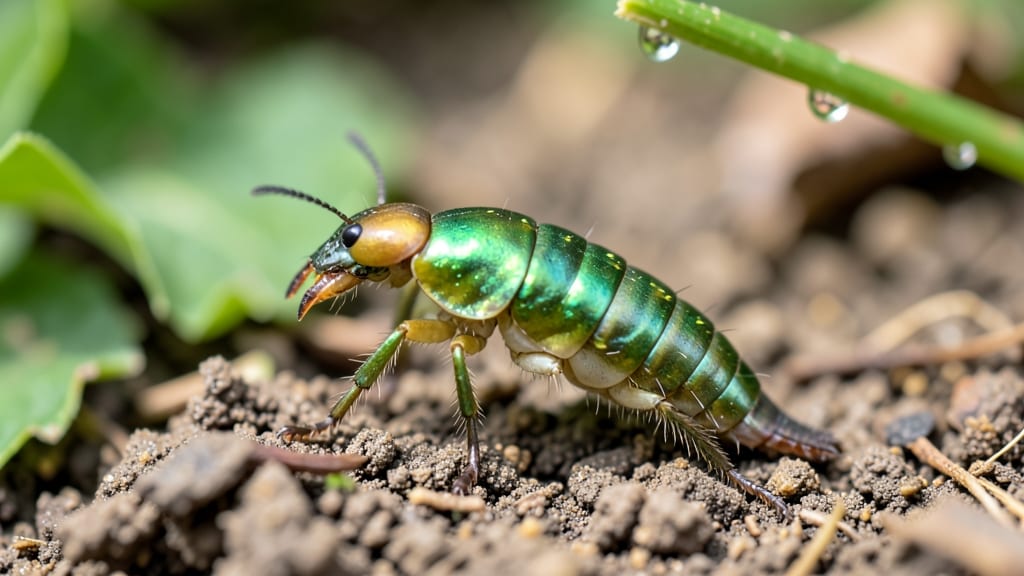
Mastering insects in garden identification is the first step to keeping your plants thriving 🐛—because not every critter is a threat.
Spotting an insect in your garden doesn’t always mean disaster—some are helpful pollinators, while others can devastate your plants. Knowing how to identify garden insects quickly helps you act fast, whether to protect your crops or welcome beneficial allies.
From tiny aphids to voracious Japanese beetles, each pest leaves a unique signature on your plants. This guide breaks down the key traits—appearance, behavior, and damage—to help you spot them in seconds and decide whether to intervene or let nature take its course.
You’ll learn the quickest way to tell friend from foe, plus natural solutions tailored to each insect. No more guesswork—just smarter gardening.
How to identify common garden insects by appearance and behavior
When you spot an insect in your garden, your first instinct might be to reach for pesticides—but not all insects are enemies. Some are beneficial allies that pollinate plants and control pests naturally.
Learning to identify garden insects by their appearance and behavior helps you decide whether to intervene or simply enjoy their presence.
I’ve spent years observing my garden and training my eye to spot key differences between harmful pests and helpful insects. The secret lies in their physical traits—like body shape, color, and markings—and their daily habits, such as where they feed or how they move.
Even a quick glance can reveal whether an insect is a Japanese beetle munching on your roses or a ladybug patrolling for aphids.
Below, I’ve broken down the most common garden insects into two categories: pests that damage your plants and beneficial insects that protect them. Use this guide to identify garden insects fast and take action when needed.
Start by examining an insect’s body shape. For example, aphids are tiny, pear-shaped, and often clustered on new growth, while ladybugs have a rounded, domed shape with distinctive spots.
Pay attention to color patterns too—Japanese beetles have a metallic green head and copper wings, making them easy to spot on roses or grapevines.
Behavior is just as important as looks. Caterpillars, for instance, chew through leaves, leaving jagged edges or skeletonized foliage. In contrast, lacewings glide gracefully between plants, hunting for pests like aphids or thrips.
If you notice honeydew (a sticky residue) on your plants, it’s a sure sign of sap-sucking pests like aphids or scale insects.
One of my favorite tricks is to observe insects in the early morning when they’re least active. Bees and butterflies are often easier to identify up close, while Japanese beetles hide in shade during the day.
Keep a small magnifying glass handy—it’s a game-changer for spotting tiny pests like thrips or whiteflies.
If you’re unsure whether an insect is helpful or harmful, check its diet. Beneficial insects like ladybugs and lacewings target other pests, while caterpillars and beetles focus on your plants. Even spiders can be allies—they hunt pests like aphids and caterpillars.
Pro tip:
Damage signs: what each insect leaves behind in your garden
Every garden insect leaves a unique damage signature—like a calling card—that reveals its identity faster than spotting the pest itself. These visual clues help you diagnose problems without playing detective. For example, aphids leave behind sticky honeydew, while Japanese beetles create skeletonized leaves with precise, jagged edges.
Understanding these patterns means you can act quickly—whether that means removing pests manually or encouraging their natural predators. The key is to examine leaves, stems, and soil carefully, as each insect targets specific parts of your plants.
Even subtle signs, like yellowing veins or tiny holes, can point you straight to the culprit.
⚠️ WARNING: Don’t Ignore These Signs! ⚠️
Look for uneven holes and frass (insect droppings) near the damage.
This honeydew attracts sooty mold, turning leaves black.
Check the undersides of leaves for tiny webs or speckled damage.
Japanese beetles are notorious for their skeletonized leaves, where they chew away everything but the veins, leaving a lace-like pattern. Meanwhile, slugs and snails create smooth, shiny trails and irregular holes with no frass—just slime. Even root maggots give away their presence through stunted growth or yellowing stems at the base.
Pay attention to the location of damage too. Leaf miners create winding tunnels inside leaves, while borers drill into stems or branches, causing sawdust-like frass to ooze out. These signs help you narrow down the suspect list before you even see the insect itself.
If you spot blackened stems or sap oozing from cuts, sap-sucking pests like lanternflies or mealybugs are likely the culprits. These insects weaken plants by disrupting their nutrient flow, so early action is critical to prevent plant decline or death.
Next time you inspect your garden, grab a magnifying glass and scan for these telltale signs. The sooner you recognize the damage, the faster you can protect your plants—whether by removing pests manually, introducing beneficial insects, or using targeted organic sprays. Your garden’s health depends on it! 🌱