
Tools
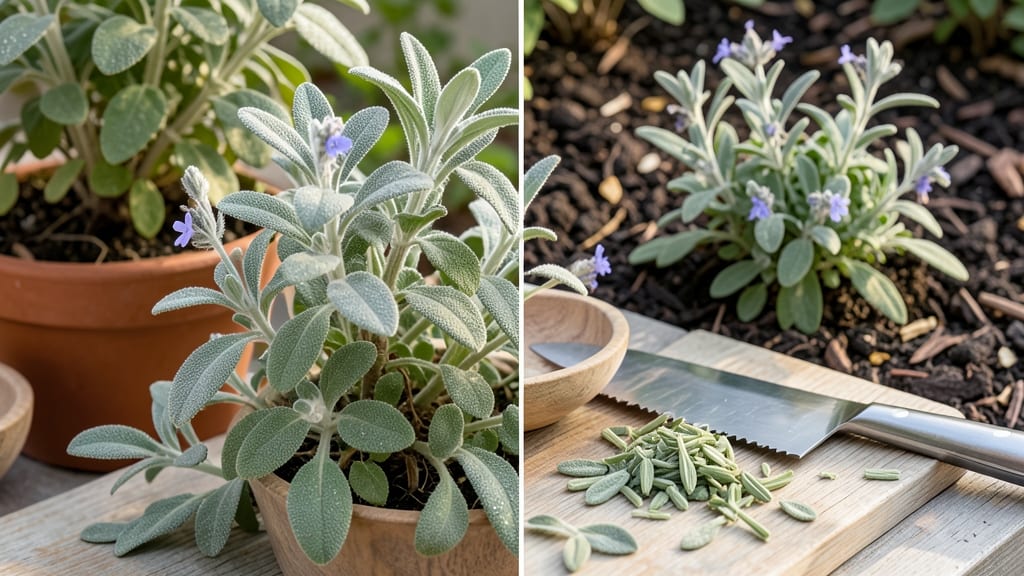
Yes, garden sage is edible and widely used in cooking for its earthy, pine-like flavor, though consuming large amounts may cause mild digestive discomfort. Harvest leaves before flowering for peak potency and safety.
Garden sage isn't just edible—it's a kitchen staple with a rich history in both savory dishes and herbal remedies. 🌿 Chefs often use it to season roasted meats, stuffing, and even certain cheeses, while herbalists value it for its antiseptic properties and traditional use as a memory aid.
The key to maximizing its flavor and safety lies in harvesting the leaves before flowers appear, as this is when their essential oils are most concentrated. I've found that drying sage leaves preserves their potency for months, making it a versatile herb for both fresh and dried recipes.
When using sage in cooking, start with small amounts—about 1-2 teaspoons of fresh leaves per dish—and adjust to taste. For medicinal purposes, sage tea made from dried leaves is popular, but always consult with a healthcare provider if you have underlying conditions.
The plant's natural compounds can be powerful, so moderation is key, especially for those with sensitive stomachs.
💡 In This Article
- Culinary and Medicinal Uses of Edible Sage Leaves
- Proper Harvesting and Storage for Edible Sage
Culinary and medicinal uses of edible sage leaves
Chefs and herbalists alike prize garden sage for its unique combination of earthy, pine-like flavor and aromatic compounds. The leaves contain thujone and camphor, which create that distinctive herbal aroma, while also contributing to its traditional medicinal properties.
In cooking, fresh sage leaves are often used in dishes like sausage and peppers, roasted chicken, or butternut squash soup, where their flavor pairs beautifully with fatty meats and rich sauces.
The leaves release their oils when heated, intensifying their aroma and making them a key ingredient in stuffing for holiday birds.
The medicinal applications of sage are equally impressive. Historically, it's been used as an antiseptic for wound healing and as a memory aid in traditional herbal medicine. Modern research supports its use as a throat soother in teas and gargles, thanks to its antimicrobial properties.
However, the same compounds that make sage beneficial can also be potent—consuming more than 2-3 grams of dried sage per day may cause mild digestive upset or even neurological effects in sensitive individuals.
This is why culinary use typically recommends 1-2 teaspoons of fresh leaves per dish rather than larger quantities.
For medicinal purposes, sage tea is a popular preparation. Steeping 1-2 teaspoons of dried leaves in 1 cup of boiling water for 5-10 minutes creates a soothing infusion that can help with digestion or sore throats.
The key difference between culinary and medicinal use lies in the concentration: what's flavorful in cooking becomes potent in herbal remedies. Always consult a healthcare provider before using sage medicinally, especially if you're pregnant, nursing, or on medications, as its compounds can interact with certain drugs.
What most people don't realize is how versatile sage's flavor profile can be. While it's often associated with savory dishes, it also works beautifully in desserts, like sage-infused honey or even dark chocolate pairings.
The secret lies in balancing its intensity—pairing it with sweet elements like caramelized onions or balsamic glaze can create stunning flavor contrasts. This duality makes sage a favorite among chefs who appreciate its ability to elevate both simple and complex dishes.
One fascinating aspect of sage's culinary use is how its flavor changes with preparation. Fresh leaves have a bright, slightly peppery taste, while dried sage develops a deeper, more concentrated flavor.
This is why many recipes call for different amounts of fresh versus dried sage—typically 1 teaspoon of dried sage equals 1 tablespoon of fresh leaves.
The drying process preserves the essential oils, making dried sage a pantry staple that can last for up to a year when stored properly in an airtight container away from light.
When using sage in cooking, timing is everything. Adding fresh leaves to dishes in the last 10-15 minutes of cooking preserves their vibrant color and prevents them from becoming bitter.
For example, when making sage butter, I recommend infusing the herb in softened butter at low heat (around 170°F) for 5-7 minutes to extract the flavors without burning them.
This gentle approach ensures you get the most out of sage's aromatic compounds while maintaining its delicate balance of earthy and pine-like notes.