
Tools
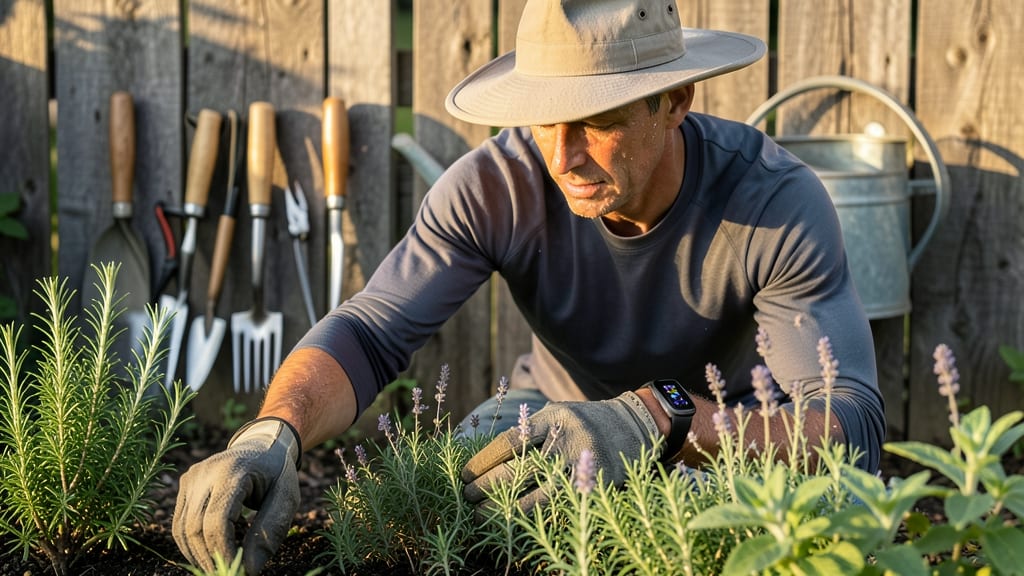
Gardening is good exercise because it burns 300-400 calories per hour, strengthens muscles through digging and lifting, and improves flexibility with bending and stretching motions. It also boosts cardiovascular health with sustained movement.
Gardening turns your backyard into a full-body workout without the gym routine. 🌱 The combination of repetitive motions like digging and lifting engages your arms, legs, and core simultaneously, while the constant movement keeps your heart rate elevated.
Studies show that even moderate gardening activities can match the calorie burn of brisk walking, making it a surprisingly effective way to stay active. Plus, the variety of tasks—from pruning to hauling soil—ensures you're working different muscle groups throughout your session.
What makes gardening especially beneficial is how it sneaks in movement that feels less like exercise. The bending, stretching, and reaching required for planting or weeding improve your range of motion over time, while the outdoor setting adds mental health perks like fresh air and sunlight exposure.
For those short on time, even 30 minutes of focused gardening can contribute meaningfully to your weekly activity goals.
💡 In This Article
- How Gardening Provides Full-Body Workout Benefits
- Maximizing Exercise Value in Your Garden Routine
How gardening provides full-body workout benefits
Gardening delivers a surprisingly comprehensive workout because it engages multiple muscle groups simultaneously. When you dig, you're primarily using your forearms, shoulders, and upper back to grip and pull, while your legs and glutes bear the weight and provide stability.
Studies from the American Society of Horticultural Science show that digging alone can burn 250-300 calories per hour—comparable to a brisk walk. The repetitive motion also strengthens your grip strength, which declines with age but can be improved through consistent gardening tasks.
The bending and reaching motions required for planting or weeding target your hamstrings, hip flexors, and lower back, while lifting bags of soil or potted plants works your core and obliques.
Research published in the Journal of Physical Activity and Health found that these movements create a moderate-intensity aerobic workout, elevating your heart rate to 50-70% of your maximum—the ideal range for cardiovascular benefits.
The outdoor setting adds another layer, as sunlight exposure boosts vitamin D production, which supports muscle function and recovery.
What sets gardening apart is how it combines strength training with flexibility work naturally. The constant shifting between positions—from kneeling to standing—improves your joint mobility and balance over time.
For example, reaching for high branches in pruning engages your shoulder mobility, while squatting to plant seeds works your ankles and knees.
A study in the Journal of Aging and Physical Activity noted that these varied movements help maintain functional fitness, especially for older adults, by reducing stiffness and improving coordination.
Even the tools you use contribute to the workout. A heavy-duty shovel adds resistance to your arm muscles, while a wheelbarrow engages your core as you stabilize it. The key is consistency—just 20 minutes of focused gardening can match the calorie burn of 15 minutes on a stationary bike.
The beauty of gardening as exercise is that it feels productive rather than like a chore, making it easier to stick with long-term.
For those tracking fitness metrics, gardening typically falls into the moderate-intensity category, where you can still talk but not sing. This intensity level is recommended by the CDC for 150 minutes per week of physical activity, and gardening helps you hit that goal naturally.
The varied terrain of a garden—from flat beds to sloped areas—also challenges your balance and stability, adding another dimension to your workout that many traditional exercises overlook.
One often-overlooked benefit is the mental focus required, which can reduce stress and improve cognitive function. The combination of physical exertion and problem-solving (like planning layouts or troubleshooting plant issues) creates a mind-body connection that enhances overall well-being.
This dual benefit makes gardening a unique form of exercise that goes beyond just burning calories.