
Vegetables
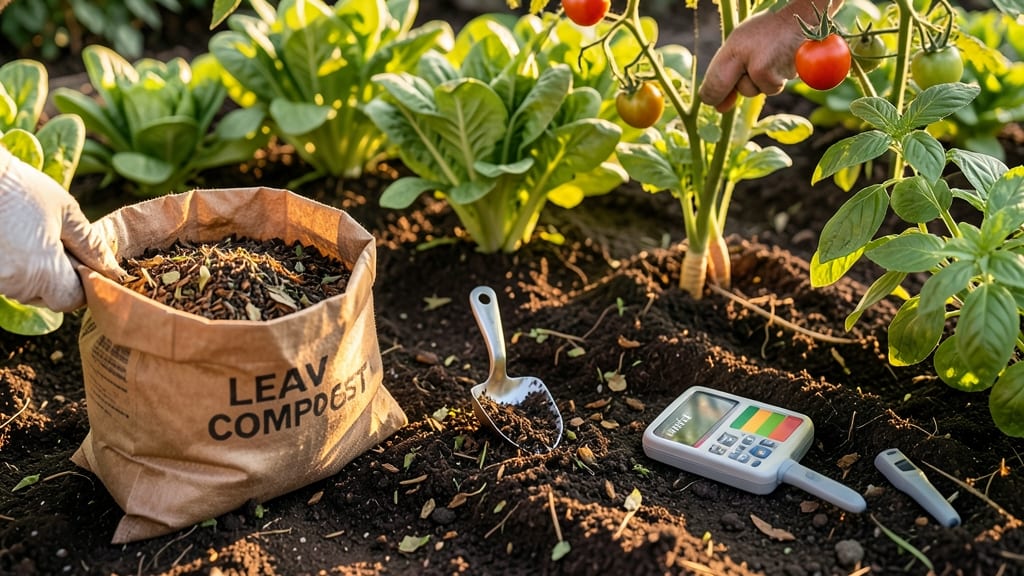
Leaf compost is good for vegetable gardens when properly aged, as it enriches soil with organic matter and improves moisture retention, though it may initially deplete nitrogen levels and require balancing with manure or nitrogen-rich additives.
Leaf compost transforms your garden soil over time by breaking down into nutrient-rich humus, which boosts microbial life and helps roots absorb water more efficiently. 🌱 The catch?
Fresh leaf compost can "steal" nitrogen from hungry vegetables as it decomposes, which is why gardeners often pair it with manure or blood meal. Think of it like a slow-release fertilizer—once fully decomposed (usually after 6-12 months), it becomes a powerhouse for tomatoes, peppers, and leafy greens.
For best results, I recommend mixing leaf compost with a nitrogen source like chicken manure in a 2:1 ratio before adding it to garden beds. This balance prevents nutrient competition while giving your plants the steady energy they need throughout the growing season.
The key is patience—rushing the process can leave your vegetables stunted or yellowing, so always test your compost's maturity by checking for a dark, crumbly texture without any recognizable leaves.
💡 In This Article
- How Leaf Compost Affects Soil Nitrogen and Plant Growth
- Best Ways to Mix Leaf Compost With Manure for Vegetable Gardens
How leaf compost affects soil nitrogen and plant growth
Leaf compost works like a slow-release nutrient bank for your vegetable garden. When leaves decompose, they primarily contribute carbon-rich organic matter, which feeds beneficial soil microbes. These microbes break down complex compounds into plant-available nutrients—but they also consume nitrogen in the process.
This is why fresh leaf compost can temporarily "lock up" nitrogen, causing vegetables like tomatoes or peppers to show signs of deficiency such as yellowing leaves (chlorosis) or stunted growth.
The carbon-to-nitrogen (C:N) ratio is the key factor here. Fresh leaves typically have a C:N ratio of 60:1 to 80:1, which is far too high for optimal microbial activity. For comparison, well-balanced compost should have a ratio closer to 20:1 to 30:1.
When this ratio is too high, microbes compete aggressively with your plants for available nitrogen, creating what gardeners call a "nitrogen steal." This is why leaf compost needs time—usually 6-12 months—to decompose and stabilize before it becomes beneficial for nitrogen-hungry vegetables.
What makes this process fascinating is how microbial activity transforms the compost. During decomposition, fungi initially dominate (they prefer high-carbon environments), but as the material matures, bacteria take over, breaking down the remaining organic matter into simpler compounds.
This shift creates a more balanced nutrient profile that vegetables can utilize. The result? Improved soil structure, better water retention, and a gradual release of nutrients that support steady plant growth throughout the season.
You'll notice the difference in plant health when using properly aged leaf compost. For example, leafy greens like spinach or kale will develop deeper green foliage, while root vegetables like carrots or beets grow straighter and more uniform.
The soil also becomes darker and crumbles easily between your fingers—a sure sign of improved microbial activity and organic matter content. However, if your compost is still chunky or smells sour, it's not ready to use, and your vegetables may suffer from nutrient imbalances.
Here's what's actually happening at the microbial level: The decomposition process generates heat (up to 140°F in active piles), which kills weed seeds and pathogens while accelerating breakdown.
As the temperature drops and the material cools, beneficial microbes like mycorrhizal fungi establish themselves, creating a symbiotic relationship with plant roots that enhances nutrient uptake. This is why aged leaf compost doesn't just feed your plants—it builds a healthier soil ecosystem that supports long-term vegetable garden productivity.
To test if your leaf compost is ready, perform a simple maturity check: Grab a handful and squeeze it. If it crumbles easily with no recognizable leaf fragments and has an earthy, forest-floor smell (not musty or sour), it's ready.
For extra assurance, bury a small amount in your garden bed and check for any signs of decomposition after a few weeks. This hands-on approach ensures your vegetables get the best possible growing medium without the risk of nitrogen depletion.