
Tools
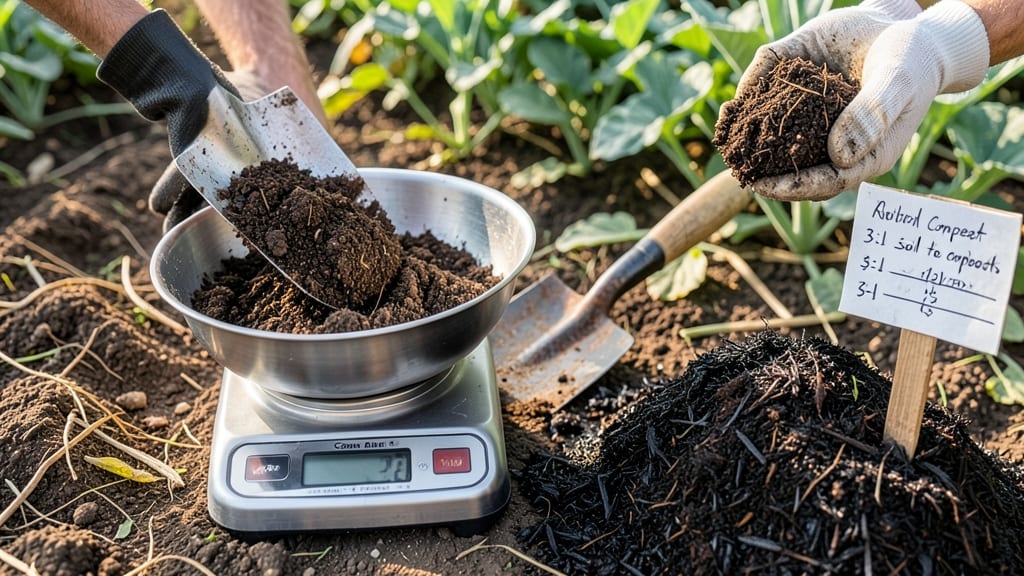
The ideal soil to compost ratio for vegetable gardens is 3 parts soil to 1 part compost for balanced growth, while nitrogen-loving plants like tomatoes thrive with a 2:1 ratio to avoid nutrient burnout. Always blend evenly to maximize nutrient absorption and soil structure.
This ratio strikes the perfect balance between organic enrichment and soil aeration, ensuring roots get both oxygen and nutrients. 🌱 For fast-growing vegetables like lettuce or spinach, you can even go to a 1:1 ratio to speed up decomposition, but avoid overdoing it—too much compost can smother tender seedlings.
The key is adjusting based on your plants' needs and your garden's existing soil quality.
Seasonal changes also play a role: in cooler months, a slightly higher soil ratio (4:1) helps retain moisture, while summer's heat may require more compost (2:1) to prevent drying. Always test your soil first—if it smells sour or looks slimy, you've likely overcomposted.
💡 In This Article
- Why the 3:1 Soil-Compost Ratio Works Best for Vegetable Gardens
- Adjusting Compost Ratios for Different Vegetable Types
Why the 3:1 soil-compost ratio works best for vegetable gardens
The 3:1 soil-to-compost ratio creates an optimal environment where roots can thrive without suffocating. Compost introduces beneficial microbes, organic matter, and micronutrients that soil alone lacks, while the dominant soil component ensures proper aeration and drainage.
Think of it like a sponge: compost absorbs and holds nutrients, but too much compresses the sponge, cutting off airflow to roots. 🌱
Compost typically contains 5-10% nitrogen by weight, which is perfect for most vegetables. This nitrogen supports leafy growth, but when mixed with soil, it's diluted to prevent overstimulation. For example, a 3:1 ratio delivers about 2.5-5% nitrogen to the root zone—ideal for balanced growth.
Root vegetables like carrots or potatoes actually prefer this ratio because it prevents excessive foliage at the expense of tuber development.
Here's the science: compost's organic matter improves soil structure by binding particles together, creating aggregates that hold moisture while allowing oxygen flow. Without soil, pure compost would compact into a dense, anaerobic mass where roots suffocate.
The 3:1 ratio maintains a 40-50% porosity in the soil mix, crucial for root respiration and microbial activity. This is why your tomatoes won't rot in this blend, even when they're heavy feeders.
However, this ratio assumes your compost is well-aged (3-6 months old) and free of weeds/seeds. Fresh compost can be too acidic (pH 5.5-6.5) and may contain pathogens that harm seedlings.
Always mix in layers rather than piling compost directly on planting beds—this gradual incorporation prevents nutrient spikes that burn tender roots. 🌿
For heavy feeders like broccoli or cabbage, you might increase compost to 2:1 during active growth stages, but revert to 3:1 as plants mature. The key is monitoring: if leaves yellow between veins (nitrogen deficiency) or develop brown edges (salt buildup from over-composting), adjust accordingly.
A simple soil test kit ($15) reveals your exact nitrogen, phosphorus, and potassium levels.
Seasonal variations matter too: in spring, when soil is cold and microbes sluggish, a 4:1 ratio preserves warmth near roots. By summer, when heat accelerates decomposition, 2:1 prevents nutrient loss through volatilization. The magic isn't just the numbers—it's how these ratios adapt to your garden's living ecosystem. ✨