
Planting
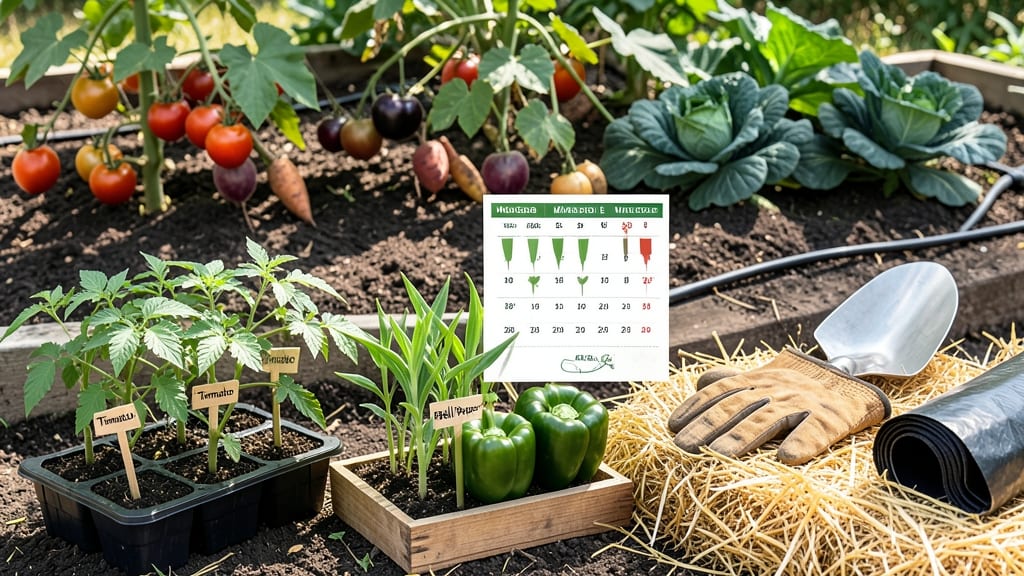
Planting a vegetable garden in Mississippi at the right time means the difference between a bountiful harvest and a battle against heat, pests, or poor soil.
Mississippi’s long, hot summers and mild winters mean your vegetable garden’s success hinges on planting at the perfect time—miss the window, and you’ll fight wilting, pests, or poor yields. Here’s your exact month-by-month schedule for heat-tolerant crops that thrive in the Magnolia State’s climate.
For Zone 8a gardeners, cool-season crops like lettuce and spinach go in February–March, while tomatoes, peppers, and okra wait until April–May when soil finally warms. The key? Timing your plantings to avoid the brutal summer heat while still maximizing the growing season.
Below, I break down the ideal planting windows, soil prep tips, and crop-specific deadlines—so you can start strong, avoid common mistakes, and keep harvesting until November.
Mississippi’s planting zones & best months for heat-tolerant vegetables
Mississippi spans USDA zones 7a through 8b, creating microclimates where North Mississippi (like Tupelo) faces earlier frosts than South Mississippi (Gulf Coast). This means your last frost dates can vary by 2-3 weeks—critical for timing heat-loving crops like okra and sweet potatoes that hate cold soil.
For example, Jackson’s last frost is typically March 15, while Biloxi’s might be March 1.
Understanding these zones helps you avoid two deadly gardening mistakes: planting tomatoes too early (soil temps under 60°F cause rot) or waiting too long for fall crops (like collards) to establish before first frost (usually November 15 in North MS).
The key? Align your planting with Mississippi’s heat windows—typically April through October for warm-season veggies.
🌱 Heat-tolerant crops thrive in Mississippi’s long summers, but their planting windows are tight. For instance, peppers need 80°F+ soil to germinate, so start seeds indoors in March for outdoor transplants by April 15. Meanwhile, sweet potatoes (a Mississippi staple) should go in the ground after Memorial Day to avoid southern blight, a fungal disease that loves cool, wet soil.
🌡️ Mississippi’s humidity (especially in June–July) also dictates planting. Crops like cucumbers and squash need consistent moisture but can’t handle waterlogged soil. That’s why raised beds with well-draining soil are a game-changer for South Mississippi gardens, where summer rains turn garden beds into soggy messes.
| Crop | USDA Zones | Best Planting Month | Soil Temp | Days to Harvest | Mississippi Tip | ||||||||||||||||||||||||||||||||||||||
|---|---|---|---|---|---|---|---|---|---|---|---|---|---|---|---|---|---|---|---|---|---|---|---|---|---|---|---|---|---|---|---|---|---|---|---|---|---|---|---|---|---|---|---|
| Tomatoes | 7a–8b | April 15–May 15 | 60°F+ | 60–85 days | Use black plastic mulch to warm soil faster. | ||||||||||||||||||||||||||||||||||||||
| Okra | 7a–8b | May 1–June 1 | 70°F+ | 50–65 days | Drought-tolerant—water deeply but infrequently. | ||||||||||||||||||||||||||||||||||||||
| Peppers (Bell/Jalapeño) | 7a–8b | March (indoors) / April 15 (outdoors) | 75°F+ | 60–90 days | Start seeds 8–10 weeks before last frost. | ||||||||||||||||||||||||||||||||||||||
| Sweet Potatoes | 7a–8b | May 15–June 15 | 70°F+ | 90–120 days | Plant slips, not seeds—avoid frost. | ||||||||||||||||||||||||||||||||||||||
| Lettuce (Spring) | 7a–8b | February–March | 40–50°F | 30–50 days | Use shade cloth in summer to prevent bolting. | ||||||||||||||||||||||||||||||||||||||
| Spinach | 7a–8b | February–March / August–September | 45–55°F | 40–50 days | Fall plantings bolt slower than spring. | ||||||||||||||||||||||||||||||||||||||
| Broccoli | 7a–8b | February–March / August |
Month-by-month Mississippi vegetable planting calendar (with critical deadlines)Mississippi’s Zone 7a–8b climate demands precise timing for vegetable gardens—plant too early, and frost zaps your crops; too late, and summer heat wilts them before harvest. The key is aligning your planting with soil temperatures, regional frost dates, and each crop’s heat tolerance. For example, Jackson’s last frost typically lands around March 15, while the Gulf Coast (e.g., Biloxi) can start planting 2–3 weeks earlier. Below is your month-by-month breakdown, including critical deadlines for cool-season starters, heat-tolerant transplants, and succession planting. I’ve also flagged high-heat warnings for sensitive crops like lettuce and spinach, which bolt faster in Mississippi’s summer.
For North Mississippi (e.g., Jackson, Tupelo), aim to finish warm-season crops by October 1 to avoid early frosts. In contrast, the Gulf Coast (e.g., Biloxi, Gulfport) can push harvests into mid-November thanks to milder winters. Pro tip: Succession plant heat-loving crops like okra and sweet potatoes every 2 weeks in June–July to ensure continuous harvests. Mississippi’s humidity and summer heat also demand drip irrigation or soaker hoses to prevent fungal diseases like powdery mildew. For example, tomatoes and peppers planted in June should receive 1–2 inches of water weekly, but avoid overhead watering after 10 AM to reduce disease risk. Mulch with straw or pine needles to lock in moisture and regulate soil temperature. Don’t overlook fall crops—kale, collards, and radishes thrive in cooler weather and can be harvested straight through December with row covers. For instance, I’ve had success with ‘Winterbor’ kale, which sweeten with frost and stays crisp until January in sheltered beds. Plan to direct-sow these by August 15 for a late-season bounty. Finally, mark your calendar for Mississippi’s first frost, typically November 15 |