
Tools
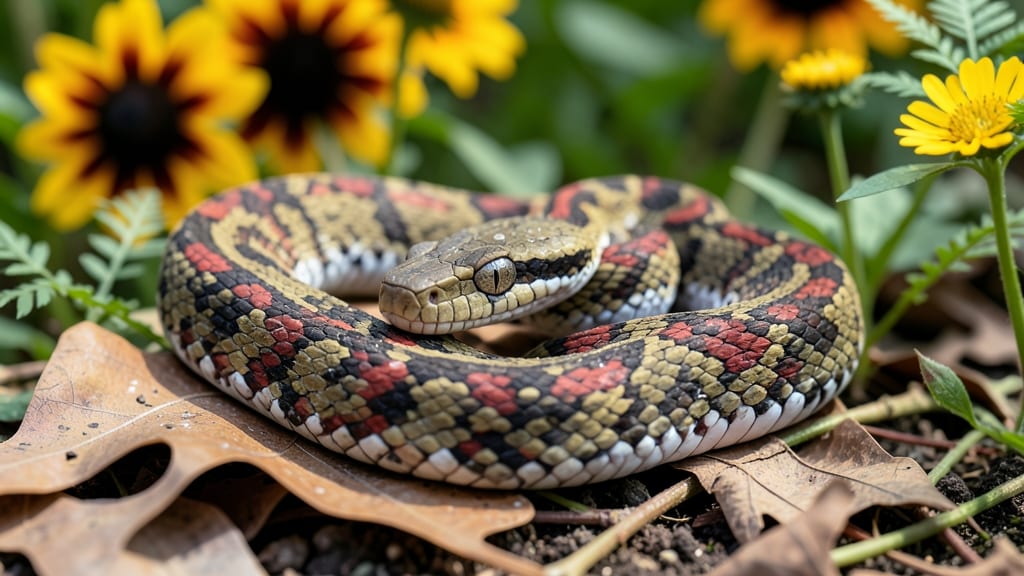
Louisiana garden snakes like the rat snake and corn snake are harmless and help control pests, but identifying them correctly is key to avoiding unnecessary fear or harm. Look for distinctive body patterns, size, and habitat clues before attempting to handle or relocate them.
If you spot a snake slithering through your Louisiana garden, there's no need to panic—most species are harmless and actually help by keeping rodent and insect populations in check. 🐍 The rat snake, for example, often sports gray or brown scales with dark blotches, while the corn snake has a more uniform reddish-orange hue with square-shaped spots.
These visual cues are your first line of defense in telling them apart from venomous look-alikes like the copperhead, which has heat-sensing pits along its jawline. Always observe from a safe distance before deciding whether relocation is necessary, as many snakes prefer to avoid humans entirely.
For those who want to encourage these helpful reptiles, creating simple habitats like brush piles or rock borders can make your yard more appealing to them. This natural pest control method is both effective and eco-friendly, reducing the need for chemical interventions.
Just remember: never attempt to handle a snake unless you're absolutely certain of its species, and always use proper tools like a snake hook for safe relocation.
💡 In This Article
- Identifying Common Louisiana Garden Snake Species
- Safe Relocation and Habitat Preservation Tips
Identifying common Louisiana garden snake species
The most reliable way to distinguish Louisiana's garden snakes is by examining their scale patterns and body markings. Rat snakes, for instance, typically measure 3-6 feet long with smooth, glossy scales and irregular dark blotches along their backs.
Their heads are broad and distinct from their slender necks, a key difference from venomous species like copperheads, which have triangular heads and heat-sensing pits. 🐍 The corn snake, another common resident, features reddish-orange bases with square black spots outlined in white, resembling a "checkerboard" pattern.
Coloration plays a crucial role in identification too. Garter snakes, often confused with venomous water moccasins, display three yellow stripes running down their bodies and are typically 2-4 feet long. Their bright coloration serves as a warning to predators, unlike the more muted tones of non-venomous species.
Copperheads, the most venomous look-alike, have hourglass-shaped bands that are light brown or tan with darker edges, while cottonmouths (water moccasins) have distinctive white mouths when threatened—a behavior that helps differentiate them from harmless water snakes.
Habitat preferences provide another critical clue. Rat snakes and corn snakes favor wooded areas, brush piles, and rocky outcrops, often venturing into gardens in search of rodents or eggs. Garter snakes, however, are more commonly found near water sources like ponds or streams.
Venomous species like copperheads tend to stay in dense underbrush or near logs, where they ambush prey. Understanding these preferences helps you predict where you're likely to encounter each species and how to approach them safely.
Scale texture is another underrated detail. Non-venomous snakes like rat snakes have smooth, shiny scales, while venomous species often have keeled (ridged) scales, which you can feel by gently running your fingers along their backs from a safe distance.
This tactile difference, combined with their slower movement, can help you avoid accidentally disturbing a venomous snake during identification. Always observe from at least 6 feet away and use binoculars if possible to avoid startling them.
For a quick reference, here’s how to compare key features:
- Rat Snake: Smooth scales, irregular dark blotches, 3-6 feet long, broad head
- Corn Snake: Reddish-orange with square black spots, 2-5 feet long, slender body
- Garter Snake: Three yellow stripes, 2-4 feet long, often near water
- Copperhead: Hourglass bands, triangular head, 2-3 feet long, heat-sensing pits
- Cottonmouth: White mouth when threatened, heavy-bodied, 2-4 feet long
If you're still unsure, consult a local wildlife expert or use a field guide with regional distribution maps. Louisiana’s diverse ecosystems mean species overlap, so accurate identification is key to ensuring both your safety and the snake’s well-being. 💫