
Tools
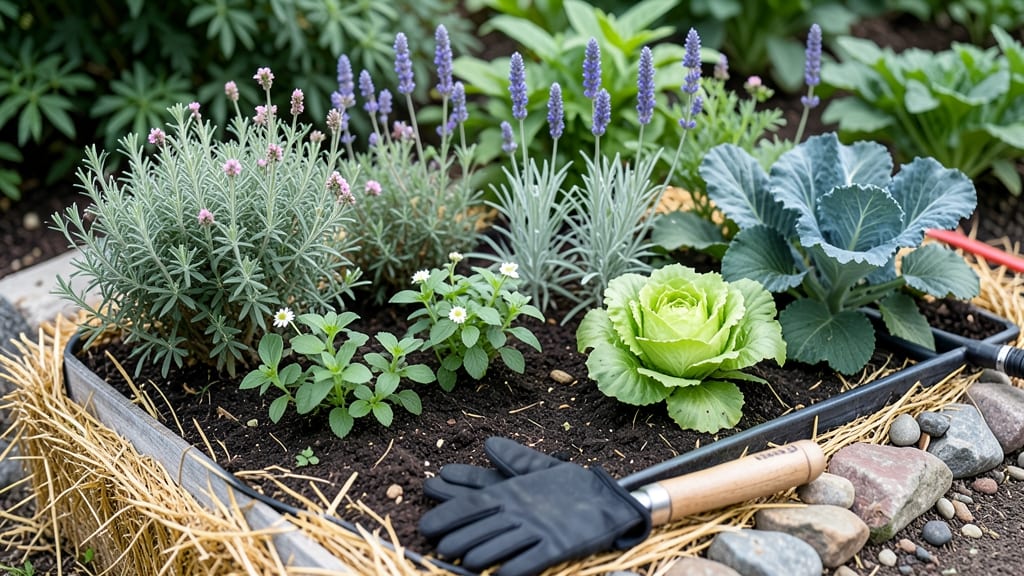
Rock wall raised garden beds should typically reach 24–36 inches tall to balance drainage efficiency with accessibility, while planting zones depend on your local climate, sunlight exposure, and soil depth requirements. Lightweight fill materials like gravel or compost help maintain structural integrity while promoting healthy root development.
Building rock wall raised garden beds at this height gives you the perfect trade-off between drainage and ease of maintenance. 🌱 The extra elevation prevents waterlogging while keeping roots well-aerated, which is especially important for vegetables like tomatoes or peppers that need consistent moisture but hate soggy soil.
I've found that adding a slight slope to the back helps channel rainwater away from the base, reducing erosion risks over time.
When selecting plants, focus on their mature size and root depth—shallow-rooted herbs like basil or thyme thrive in these beds, while deeper-rooted plants like carrots need extra soil depth. For colder climates, consider adding a layer of straw mulch in winter to protect tender plants from frost heave.
The key is matching your plant choices to both the bed's height and your local growing conditions.
💡 In This Article
- How Rock Wall Height Affects Drainage and Plant Health
- Choosing the Best Plants for Rock Wall Raised Beds by Zone
How rock wall height affects drainage and plant health
Rock wall raised garden beds between 24–36 inches strike the perfect balance between drainage and accessibility. The height allows roots to extend downward while preventing water from pooling at the bottom—a common issue in ground-level beds.
At this elevation, excess water drains through the gravel or compost fill at a rate that matches plant absorption needs, typically 1–2 inches per week for most vegetables.
The key is the permeable fill layer (usually 6–12 inches of gravel or coarse sand) beneath the soil, which acts like a natural wicking system to keep roots oxygenated while preventing compaction.
Wall angle plays a critical role in water management. A slight backward slope (5–10 degrees) directs rainwater toward the back edge, where it can drain away from the planting area. Without this angle, water tends to pool against the front wall, creating anaerobic conditions that suffocate roots.
I've noticed this especially with 30-inch-tall beds—they collect more runoff than shorter beds but also offer better access for taller plants like sunflowers or pole beans.
The structural integrity of the wall itself matters too; using interlocking stones or stacked concrete blocks distributes weight evenly, preventing the walls from bowing outward under soil pressure.
Plant type dictates ideal height: Vegetables with deep roots (carrots, potatoes) need the full 30–36 inches to accommodate their growth, while shallow-rooted herbs (basil, chives) thrive in 24-inch beds.
Ornamental plants like succulents or ornamental grasses often prefer lower beds (18–24 inches) because their root systems are more sensitive to waterlogging. The extra height also reduces soil-borne diseases by keeping foliage elevated above potential splash zones during watering.
For example, tomatoes planted in a 30-inch bed produce fewer blossom-end rot issues than those in ground-level plots.
Material choice affects both drainage and weight. Gravel or expanded shale provides excellent drainage but requires more frequent watering, while compost-rich soil mixes retain moisture longer but may compact over time. I recommend a 50/50 blend of compost and coconut coir for most vegetables—it balances moisture retention with aeration.
The wall's height also influences weed growth; taller beds (30+ inches) naturally suppress weeds by limiting light penetration, while shorter beds may need mulch to compete with invasive grasses.
Seasonal variations matter too. In hot, dry climates (USDA Zones 7–10), taller beds (30 inches) help conserve moisture by reducing soil exposure to evaporation, while in cooler, wetter regions (Zones 4–6), the extra height improves drainage during spring thaws.
The wall's material also affects temperature regulation—stone walls absorb heat during the day and release it slowly at night, creating a microclimate that's 2–5°F warmer than ambient air temperatures. This can be a game-changer for extending growing seasons in colder zones.
For those with mobility challenges, the 30-inch height offers another advantage: it places planting zones at a comfortable working level, reducing back strain during maintenance. However, this comes with a trade-off—you'll need to invest in lightweight fill materials to prevent the structure from becoming top-heavy.
I've successfully used recycled polystyrene blocks as a base layer in some designs, cutting the overall weight by nearly 30% while maintaining stability. The result? A bed that's both functional and sustainable.