
Planting
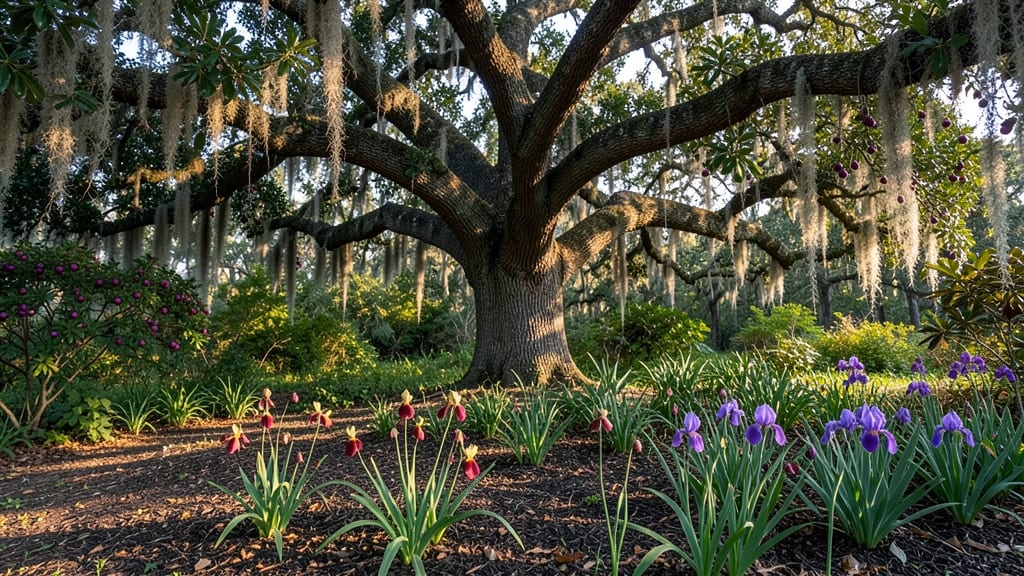
Louisiana's gardening zones span 8a through 9b, with most areas in zones 8b-9a, creating ideal conditions for year-round tropical plants and warm-season vegetables while demanding precise timing for cool-season crops. The state's humid subtropical climate and rich soils further shape what thrives in each microclimate.
Understanding Louisiana's gardening zones means recognizing how humidity and heat extend growing seasons beyond what hardiness zone maps alone suggest. 🌿 For example, New Orleans (zone 9a) can support citrus trees year-round, while rural areas in zone 8a may need frost blankets for sensitive tropicals.
The key difference? Coastal regions benefit from moderating ocean breezes, while inland zones experience more extreme summer heat. I've found that even within a single parish, microclimates can shift planting windows by 2-3 weeks, making local observations just as important as official zone designations.
This climate also explains why Louisiana excels with warm-season crops like sweet potatoes and okra while requiring creative solutions for cool-season vegetables.
Container gardening with heat-tolerant varieties often works best for greens in zone 9a areas, while zone 8a gardeners might time their fall plantings to take advantage of the state's longer-than-average frost-free periods. The secret?
Paying attention to last frost dates (typically mid-March to early April) and first frost dates (November to early December), which can vary by 100 miles across the state.
💡 In This Article
- How Louisiana’s Humid Subtropical Climate Affects Plant Hardiness Zones
- Monthly Louisiana Planting Calendar by Zone and Microclimate
How Louisiana’s humid subtropical climate affects plant hardiness zones
Louisiana's humid subtropical climate creates a unique gardening environment where high humidity—often exceeding 80%—combines with warm temperatures to extend growing seasons. The state's zones (8a-9b) reflect average annual minimum temperatures, but the real story lies in how humidity and heat indices push these zones beyond what traditional maps suggest.
For instance, zone 9a areas like New Orleans experience fewer than 15 frost days per year, while zone 8a regions in northern Louisiana may see 5-10 frost days annually. This difference means tropical plants like hibiscus or bougainvillea thrive year-round in coastal areas but need winter protection inland.
The humidity factor is critical—it prevents soil from drying out quickly, allowing plants to grow vigorously even during summer's 90°F+ temperatures. However, this moisture also creates challenges: fungal diseases like powdery mildew spread faster, and some plants (such as tomatoes) require proper air circulation to prevent blossom-end rot.
The high heat indices (feels like 100°F+ when humidity is high) stress plants that aren't heat-tolerant, like lettuce or spinach, which bolt quickly in zone 9a. Even within a single parish, microclimates vary—urban areas with pavement (urban heat islands) can be 5-10°F warmer than rural zones, shifting planting windows by weeks.
Understanding dormancy cycles is key: Louisiana's long, hot summers force many temperate plants into a "heat dormancy" rather than true winter dormancy. For example, broccoli or cabbage may stop producing in 85°F+ weather but can recover when temperatures drop slightly.
Meanwhile, warm-season crops like okra or sweet potatoes thrive in these conditions, growing 20-30% faster than in cooler climates. The trick? Planting heat-tolerant varieties (like 'Heatmaster' tomatoes) and using shade cloth to protect seedlings from intense afternoon sun.
Soil conditions add another layer: Louisiana's rich, clay-heavy soils retain moisture but can become waterlogged during heavy rains, suffocating roots. Coastal areas face salt spray damage, while inland zones deal with nutrient-leaching from frequent rainfall.
Amending soil with organic matter (like compost or pine bark) improves drainage and microbial activity, which is essential for plant health in these zones. For instance, azaleas and camellias—staples in zone 8b-9a—require acidic soil (pH 5.0-6.0) to thrive, while citrus trees need well-draining soil to avoid root rot.
Seasonal shifts matter too: Louisiana's frost-free period averages 240-280 days, but coastal zones can stretch to 300+ days. This means gardeners can grow tropicals like mangoes or avocados in containers, moving them indoors during rare cold snaps.
However, even a single 28°F night can damage sensitive plants, so knowing your local frost dates (e.g., November 15 in New Orleans vs. December 1 in Shreveport) is crucial for timing plantings.
What most gardeners overlook is how humidity affects plant physiology: stomata (leaf pores) stay open longer in high humidity, increasing water uptake but also susceptibility to pests like aphids. Mulching with pine straw or wood chips helps regulate soil temperature and moisture, reducing stress on plants.
For example, mulched beds stay 5-10°F cooler than bare soil, protecting roots during heatwaves. 🌿