
Planting
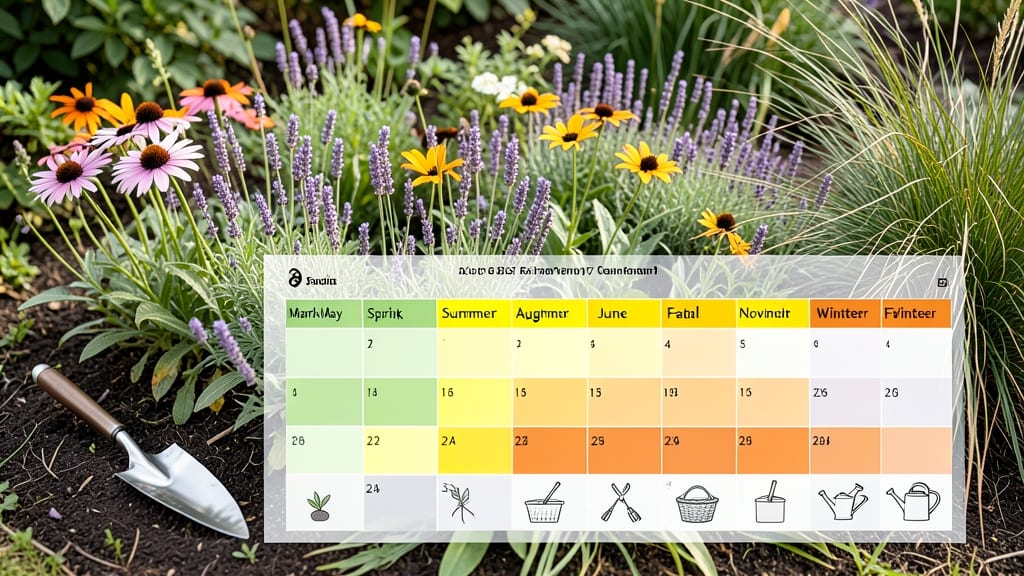
A Zone 7 gardening calendar organizes planting and harvesting around your region’s last frost dates (mid-March to mid-November) and local microclimates, helping you time cool-season crops like spinach for early spring and warm-season tomatoes for late April planting. Urban areas may need adjustments of 1-2 weeks earlier, while shaded valleys often require later planting.
A Zone 7 gardening calendar isn't just about dates—it's about working with your local climate's quirks. The 150-210 frost-free days give you a solid window, but your yard's specific conditions matter more.
For example, south-facing slopes warm up faster than north-facing areas, while urban heat islands can push planting dates earlier by 2-3 weeks. I always check my yard's microclimates first—some spots might even support tropical plants like okra that wouldn't survive in cooler microclimates nearby. 🌱
What makes this calendar especially useful is how it breaks down tasks by plant type rather than just months.
Cool-season crops like kale and peas get their start in early spring when soil temperatures are still cool, while warm-season favorites like peppers and eggplants need to wait until after your last frost.
The key is understanding each plant's temperature preferences—some, like lettuce, bolt in heat, while others, like Swiss chard, handle summer better. This strategic timing maximizes your harvest potential throughout the growing season.
💡 In This Article
- Understanding Zone 7 Frost Dates and Plant Hardiness Zones
- Monthly Zone 7 Gardening Checklist by Plant Type
Understanding Zone 7 frost dates and plant hardiness zones
Zone 7's frost-free window spans roughly 150-210 days, creating a unique balance between cool and warm seasons. This means your garden enjoys about 6-7 months of growing potential, but the exact timing varies dramatically based on elevation and local geography.
For instance, Denver's Zone 7a (average minimum -5°F) has shorter frost-free periods than Atlanta's Zone 7b (0°F minimum), where subtropical influences extend the growing season.
The key difference lies in how quickly spring arrives and when fall frosts hit—Denver might see its last frost in early May, while Atlanta could delay until mid-May.
Microclimates create these variations through what scientists call "thermal belts." A south-facing hillside might warm 5-10°F warmer than a north-facing valley just 100 feet away, allowing you to plant heat-loving crops like okra 2-3 weeks earlier in sunny spots.
Urban areas add another layer—concrete and asphalt absorb heat, creating "heat islands" where soil temperatures can be 10°F warmer than rural areas. This is why your neighbor's tomatoes might thrive while yours struggle, even in the same zip code.
The USDA hardiness zone map gives you a baseline, but your actual growing conditions require on-the-ground observation for 3-5 years to refine timing.
Plant hardiness isn't just about surviving winter—it's about matching growth cycles to temperature windows. Cold-hardy crops like kale and spinach can handle 25-30°F temperatures and actually improve flavor after light frost, while tender plants like basil and cucumbers wilt at 50°F.
Here's where Zone 7 shines: you can grow both categories successfully by planting cool-season crops in early spring (March-April) and again in late summer (August-September) for fall harvests.
The science behind this involves understanding each plant's base temperature—the minimum temperature where growth occurs—and its optimum temperature range.
Let's look at two practical examples: tomatoes and lettuce. Tomatoes need soil temperatures above 55°F to germinate, which typically happens after your last frost in Zone 7.
Planting too early means waiting weeks for germination, while lettuce (which prefers 60-65°F soil) can be sown as soon as soil is workable in early spring. The difference? Tomatoes take 70-85 days to mature, while lettuce bolts in 30-50 days if summer heat arrives.
This is why succession planting becomes essential—you might sow lettuce every 2 weeks from March through September to maintain a continuous harvest.
For long-term planning, use the USDA map to identify your exact zone (7a or 7b), then observe your local patterns. Record when your first frost occurs in fall and your last in spring for 3 consecutive years to establish your true growing window.
Many gardeners also track degree days—a measure of heat accumulation—that helps predict when plants will mature. For example, tomatoes typically need 1,200-1,500 degree days above 50°F to produce fruit. This data-driven approach transforms guesswork into precise timing.
What most gardeners overlook is how wind patterns affect frost timing. Cold air sinks and collects in low-lying areas, while hills and ridges stay warmer. This is why frost often hits valley gardens 3-5 days earlier than hilltops.
Planting near windbreaks or on slopes can extend your growing season by 1-2 weeks. The interplay between temperature, elevation, and wind creates a complex puzzle that makes Zone 7 gardening both challenging and rewarding. 🌿