
Planting
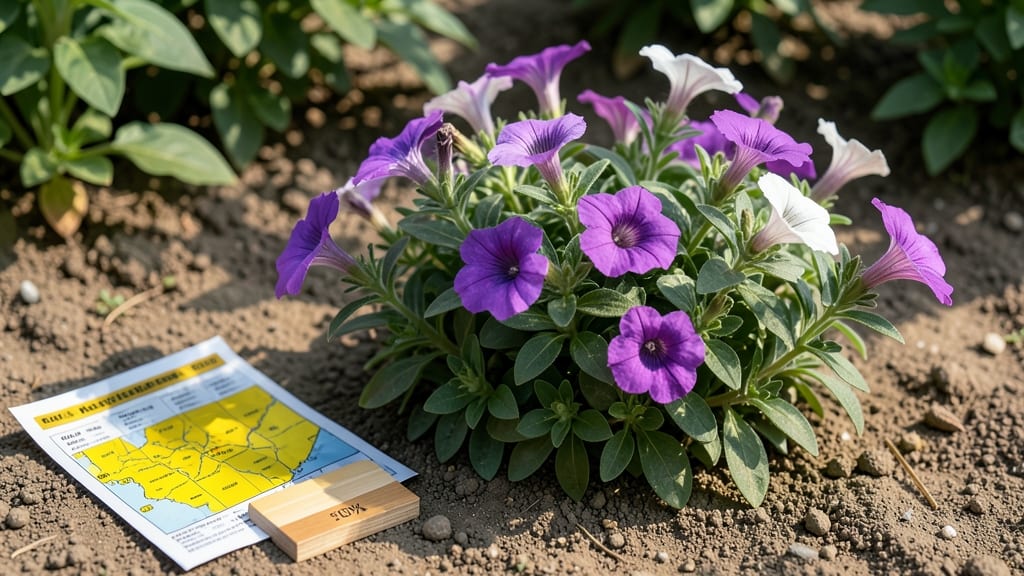
What gardening zone is Houston, Texas in? It's USDA Hardiness Zone 8b, where winters rarely drop below 15°F to 20°F (-9°C to -6°C), creating ideal conditions for frost-sensitive plants like citrus and bougainvillea year-round.
This classification means Houston gardeners can grow a wide variety of plants that would freeze in colder zones, but you'll still need to protect tender tropicals during rare cold snaps. 🌿 The city's subtropical climate extends the growing season, but urban heat islands and coastal humidity create microclimates that can shift your local conditions by up to one full zone in certain areas.
For example, downtown Houston may experience 5°F warmer nights than suburban neighborhoods just 10 miles away.
Understanding these variations helps explain why some gardeners in Zone 8b can grow lemongrass year-round** while others need to bring potted plants indoors during occasional freezes.
The USDA zone is a great starting point, but Houston's diverse geography means you'll want to monitor your specific location's frost dates and heat patterns for the most accurate planting advice.
💡 In This Article
- How USDA Zone 8b Affects Plant Selection in Houston
- Houston’s Microclimates: Adjusting for Urban Heat Islands and Coastal Effects
How USDA zone 8b affects plant selection in Houston
The 15°F to 20°F (-9°C to -6°C) winter minimum threshold of Zone 8b creates a unique gardening environment in Houston. This range means most tender tropical plants like hibiscus, bougainvillea, and citrus trees can thrive outdoors year-round without protection, unlike colder zones where they'd need winter indoor housing.
The key mechanism here is the frost-free growing season, which in Houston averages 280-300 days annually—far longer than northern states where frost can linger for months.
However, this zone classification doesn't tell the full story. Houston's subtropical climate extends beyond just cold tolerance—it also means heat wave impacts become equally critical. During summer, temperatures can soar to 95°F+ (35°C+) for weeks, stressing heat-sensitive plants like lettuce or spinach that might thrive in milder Zone 8a areas.
The humidity factor (Houston averages 70-80% relative humidity) further complicates things, as it accelerates fungal diseases in plants not adapted to these conditions. 🌡️
What most gardeners overlook is how the frost-free window enables double cropping—planting cool-season crops like broccoli in fall and again in early spring after the brief winter chill. This extended seasonality explains why Houston's garden centers stock year-round tomato varieties while northern gardeners must wait for summer.
The trade-off? You'll need to water more frequently (often daily during summer) to compensate for the intense evaporation caused by Houston's heat and humidity.
Zone 8b also introduces the challenge of rare but dangerous cold snaps. While the 10-year average low stays above 15°F, sudden drops to 20°F (-7°C) can occur—enough to kill unprotected tropical plants.
This is why local experts recommend monitoring NOAA frost alerts and having row covers or frost cloths ready, even in Zone 8b. The urban heat island effect (cities stay 5-10°F warmer at night than rural areas) can actually protect some plants, but it also means heat-loving plants like okra may struggle in shaded urban backyards compared to sunny suburban lots.
For practical application, this zone means you can safely grow over 400 different fruit varieties in Houston that wouldn't survive Zone 7 winters—think figs, pomegranates, and even avocados in sheltered microclimates.
However, coastal areas near Galveston Bay experience 2-3°F cooler nights due to ocean breezes, creating a natural buffer against heat stress.
This geographic variation within the same zone explains why some Houston gardeners can grow banana plants outdoors while others need to keep them in containers and move them seasonally. 🌿
The bottom line? Zone 8b gives Houston gardeners unmatched plant diversity, but success requires balancing heat tolerance, humidity resistance, and cold snap preparedness.
Start by researching each plant's specific temperature ranges—some Zone 8b plants (like camellias) prefer cooler winters, while others (like bougainvillea) thrive in hotter conditions. This nuance is what separates thriving Houston gardens from those that struggle despite being in the "right" zone.