
Advice
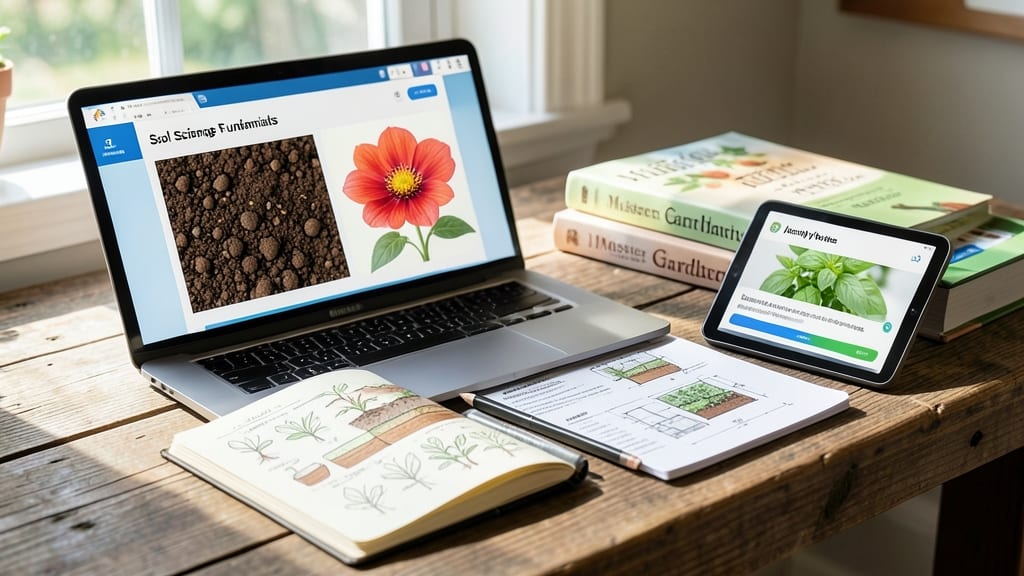
Free online master gardener courses are available through university extension programs and nonprofit organizations, providing certification after completing coursework, exams, and 30-50 hours of volunteer service. These programs typically require 40-60 hours of study and are offered by land-grant universities or state Cooperative Extension Services.
Most free online gardening certification programs follow a similar structure, blending theory with hands-on learning. 🌱 You'll dive into core topics like plant biology, sustainable gardening practices, and troubleshooting common pests—all designed to prepare you for real-world challenges.
What sets these programs apart is their emphasis on community engagement, requiring participants to apply knowledge through volunteer work in local gardens or outreach programs. This practical experience is often what makes certified master gardeners so valuable to their communities.
One key advantage of these programs is their accessibility—many are offered through well-established institutions like land-grant universities or state agricultural extension services. These organizations have decades of expertise in horticulture and often provide ongoing support even after certification.
For example, the University of Florida IFAS Extension offers a comprehensive online program that's completely free, though some states may charge a small fee for certification processing. Always verify regional availability since some programs serve specific states or counties.
💡 In This Article
- How Free Online Master Gardener Programs Work
- Top Free Online Gardening Certification Programs in 2024
How free online Master Gardener programs work
These programs operate through partnerships between land-grant universities and state Cooperative Extension Services, leveraging federal funding to keep costs low. The curriculum typically spans 8-12 weeks of online study covering core topics like plant physiology, sustainable horticulture, and integrated pest management.
Each module includes interactive elements—think virtual labs for soil testing or pest identification—designed to mimic hands-on learning. For example, the University of Georgia's Master Gardener Extension Volunteer program provides digital soil analysis tools that let you practice interpreting test results before working with real clients.
The certification process involves three key components: completing the coursework (about 40-60 hours of study), passing a final exam with a 70-80% passing score, and fulfilling 30-50 hours
This community service requirement ensures you apply what you've learned—whether helping at community gardens, teaching workshops, or staffing plant clinics. What's fascinating is how this structure mirrors the original 1970s Master Gardener model, which was created to extend university research directly to local gardeners.
The volunteer hours aren't just busywork; they're where the real transformation happens, turning classroom knowledge into practical expertise.
What makes these programs truly unique is their regional adaptation. While the core curriculum remains consistent, each state's Cooperative Extension tailors content to local challenges—think pest pressures in Florida's humid climate versus drought-resistant landscaping in Arizona. This localized approach means you're learning solutions that actually work in your backyard.
The programs also maintain active online communities where you can ask questions, share photos of plant problems, and connect with experienced mentors. This support network is invaluable, especially when troubleshooting issues like fungal diseases or soil pH imbalances.
Comparing free programs to paid alternatives reveals some key differences. While for-profit courses might offer fancier platforms or celebrity instructors, the university-backed programs provide something far more valuable: direct access to current agricultural research and ongoing support from Extension agents.
For instance, when you complete the University of Florida's program, you gain access to their EDIS database—a massive online library of peer-reviewed horticultural information that continues to grow. This resource alone often costs thousands in subscription fees elsewhere.
The trade-off? Free programs require more self-discipline and time commitment, but the long-term benefits for both your garden and community make it worthwhile.
Here's what most people overlook: the hidden curriculum in these programs. Beyond the technical skills, you'll develop critical thinking about plant health and communication skills for public education.
For example, when teaching a workshop on composting, you'll learn to explain complex microbial processes in ways that resonate with different audiences—from skeptical homeowners to eager schoolchildren. This dual focus on science and outreach is what makes certified Master Gardeners such respected volunteers in their communities.
The programs even provide training on how to deliver presentations, which comes in handy when you're asked to speak at local garden clubs or farmers markets.
One practical consideration is how these programs handle technical requirements. Most use LMS platforms like Canvas or Moodle, which are user-friendly but may require basic computer skills. Some states offer tech support for participants who need help navigating the systems.
Also worth noting: while the courses themselves are free, you might encounter small fees for certification materials or background checks (typically $50-$100). Always check your state's specific requirements—some waive these for low-income participants or seniors. The investment is minimal compared to the knowledge and connections you'll gain.
The real magic happens when you combine your coursework with the volunteer hours. Imagine diagnosing a mysterious leaf spot disease in your community garden and then presenting your findings to a group of fellow gardeners—this is the kind of applied learning that sticks.
Many alumni report that their volunteer work leads to unexpected opportunities, like consulting for local nurseries or even starting their own gardening businesses. The program doesn't just give you a certificate; it gives you a network and a purpose in your gardening journey. 🌱