
Tools
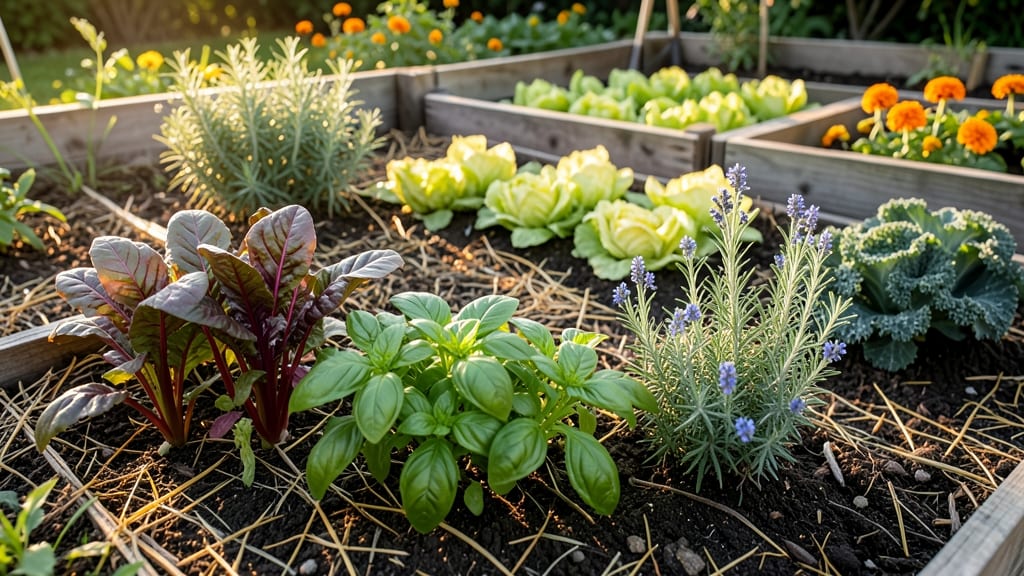
The Hayward Community Garden provides seasonal gardening plots for local residents, along with volunteer opportunities in garden upkeep, event planning, and youth engagement initiatives. Availability changes with each planting season, so signing up early is essential, and all participants must follow guidelines on crop placement, water efficiency, and shared resource use.
The Hayward Community Garden thrives on community collaboration, blending gardening with education and sustainability. 🌱 Whether you're a seasoned gardener or a complete beginner, the program offers structured support to help you succeed—from soil preparation workshops to pest management advice.
Volunteer hours directly impact your plot eligibility, creating a system where everyone contributes to the garden's success while growing their own produce.
What sets this garden apart is its focus on seasonal adaptation. The planting zones shift between cool-season crops like lettuce and warm-season favorites such as tomatoes, ensuring optimal growth throughout the year.
This approach also aligns with Hayward's water conservation goals, requiring all members to use drought-resistant plants and efficient irrigation methods.
💡 In This Article
- Understanding Hayward Community Garden Plot Types and Seasonal Planting Zones
- How to Secure a Plot and Navigate Hayward Community Garden Volunteer Requirements
Understanding Hayward community garden plot types and seasonal planting zones
The Hayward Community Garden organizes plots by season to align with the region's Mediterranean climate, where winters are mild and summers are hot and dry.
This system ensures crops thrive by matching planting times to ideal temperature ranges—cool-season crops like kale and spinach grow best in 50-65°F conditions, while warm-season favorites such as peppers and cucumbers need 75-85°F to flourish.
The garden divides the year into two primary planting cycles: fall/winter (October-March) and spring/summer (April-September), with a brief transition period in early spring for hardy greens.
Sunlight exposure is critical to plot success, and the garden maps each area by sunlight hours per day. Full-sun plots (6+ hours) are ideal for tomatoes and squash, while partial-shade plots (3-6 hours) suit leafy greens like Swiss chard.
Soil types vary slightly across the garden—some plots have clay-heavy soil that retains moisture but drains poorly, while others feature sandy loam that warms quickly but loses nutrients faster. The garden provides soil amendments like compost and mulch to balance these differences, ensuring all plots can support diverse crops.
Water conservation is non-negotiable in Hayward, where drought restrictions often apply. The garden implements a drip irrigation system for communal areas and encourages members to use mulch and drip lines in personal plots to minimize evaporation.
Warm-season crops, which require 1-1.5 inches of water per week, are prioritized for early-morning watering to reduce waste, while cool-season crops need slightly less (0.75-1 inch per week). This system not only saves water but also prevents fungal diseases that thrive in damp conditions.
Plot types range from standard 10x20-foot individual plots to shared community plots for larger projects like fruit trees or raised beds.
Individual plots are assigned based on volunteer hours—those who contribute 10+ hours per season get first pick, while new members may start with a shared plot to learn the ropes. The garden also reserves youth plots for families with children, offering educational workshops on composting and pollinator-friendly gardening.
One often-overlooked factor is crop rotation, which the garden enforces to prevent soil depletion. Members must follow a suggested rotation chart—for example, planting heavy feeders like tomatoes in one season and legumes like peas in the next.
This practice replenishes nitrogen in the soil and reduces pest cycles. The garden provides a seasonal planting calendar with specific varieties suited to Hayward's microclimates, including heat-tolerant varieties like 'Arkansas Traveler' tomatoes and drought-resistant 'Senator' beans.
For those new to gardening, the garden offers beginner workshops on soil testing, pest control, and companion planting. For instance, pairing basil with tomatoes can improve flavor and deter pests naturally.
The garden's focus on seasonal adaptation ensures even inexperienced gardeners can achieve bountiful harvests with minimal stress—whether it's growing cool-weather radishes in winter or heat-loving okra in summer. 🌿