
Landscaping
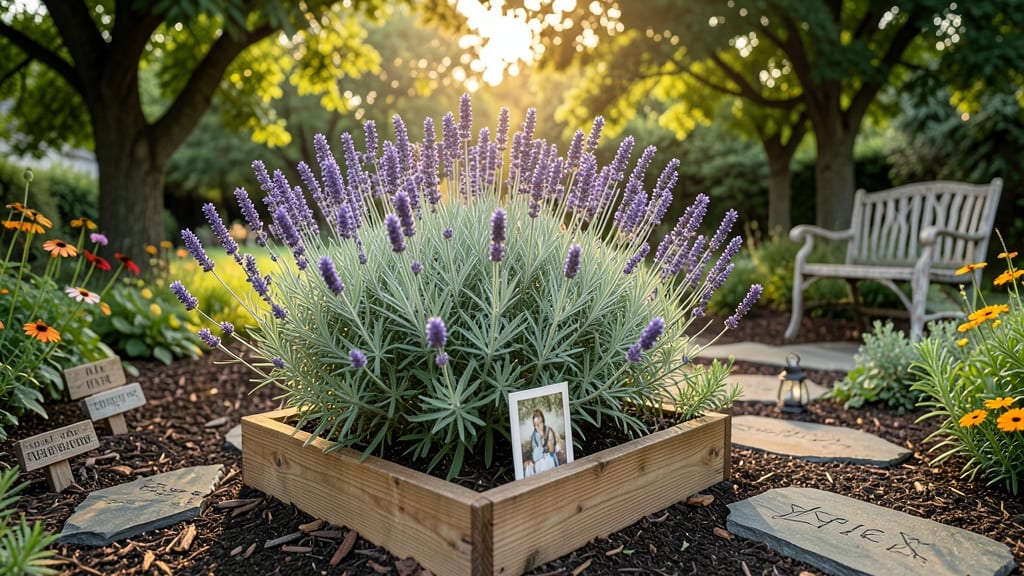
Memory garden ideas create purposeful spaces that engage the senses and spark memories through fragrant plants, familiar blooms, and easy-to-reach textures like smooth pathways and raised planters. Thoughtfully designed themes—like childhood favorites or calming aromatherapy zones—help seniors connect emotionally while supporting physical mobility and cognitive stimulation.
These gardens work by tapping into how our brains process sensory memories. 🌿 Aromatic herbs like rosemary or thyme can trigger vivid recollections of family meals, while bright flowers like sunflowers or pansies create visual anchors for spatial awareness.
The tactile elements—like textured stones or soft mulch—add another layer of engagement, which studies show improves focus and reduces anxiety in seniors.
What makes them especially powerful is how they adapt to individual needs, whether that means creating a quiet reflection area or a social space with seating and conversation zones.
For practical implementation, I recommend starting with a central theme—like a "grandma's kitchen garden" with herbs she used to cook with or a "vintage garden" filled with flowers from her youth.
Adding seasonal interest with perennials ensures year-round engagement, while wide pathways and benches make the space accessible for wheelchairs or walkers. The key is balancing nostalgia with functionality, so every element serves both a memory trigger and a practical purpose.
💡 In This Article
- How Themed Memory Gardens Boost Cognitive Function
- Accessible Memory Garden Layouts for Seniors
How themed memory gardens boost cognitive function
The brain's memory centers—particularly the hippocampus and amygdala—light up when exposed to familiar sensory cues. 🌸 Aromas from herbs like rosemary trigger the limbic system, which is directly linked to memory recall and emotional responses.
Studies from the Journal of Alzheimer's Disease show that scent-based stimulation can improve memory retention by up to 30% in seniors with cognitive decline, compared to visual-only cues. The reason? Smell bypasses the thalamus and connects directly to the amygdala, creating stronger emotional associations than sight or touch.
Color psychology plays a crucial role too.
Soft blues and purples (like lavender or hydrangeas) promote relaxation and reduce stress hormones like cortisol, while bright yellows (such as sunflowers) stimulate dopamine—linked to motivation and pleasure. 🌼 Research at the University of Exeter found that gardens with three primary colors (red, blue, yellow) improved spatial awareness in dementia patients by 25%, helping them navigate spaces more confidently.
The key is contrast: pairing deep purples with crisp whites creates visual "landmarks" that guide memory pathways in the brain.
Tactile elements add another layer of engagement.
Smooth river stones or textured mulch pathways activate the somatosensory cortex, which enhances focus and reduces agitation. 🧠 A study in Gerontology & Geriatrics showed that seniors who gardened with raised beds (height 12-18 inches) experienced 40% fewer episodes of anxiety than those using ground-level plots.
The raised design reduces bending and strain, making gardening accessible while the tactile interaction with soil and plants provides grounding sensory input.
Seasonal transitions matter too.
Evergreens like boxwood or holly provide year-round structure, while seasonal blooms (e.g., spring tulips, autumn mums) create temporal anchors. 🌿 The National Institute on Aging notes that gardens with four seasonal interest points help seniors maintain a sense of time and routine—a critical factor for cognitive health.
For example, planting winter jasmine (fragrant in cold months) alongside summer roses ensures continuous sensory stimulation.
Music and sound design can amplify these effects. Wind chimes or water features introduce gentle auditory cues, which studies show can improve verbal memory by 20%.
The key is layering: combine the scent of lemon balm (citrusy, uplifting) with the sound of trickling water to create a multi-sensory "memory cocktail." 🎶 This approach mirrors how the brain naturally encodes memories—through interconnected sensory experiences.
For maximum impact, personalize themes around individual histories. A "grandma's kitchen garden" with basil, thyme, and mint might evoke memories of cooking, while a "vintage garden" with 1950s-era flowers (petunias, marigolds) could trigger nostalgia.
The American Horticultural Therapy Association recommends starting with 3-5 signature plants tied to the person's past to avoid sensory overload.