
Tools
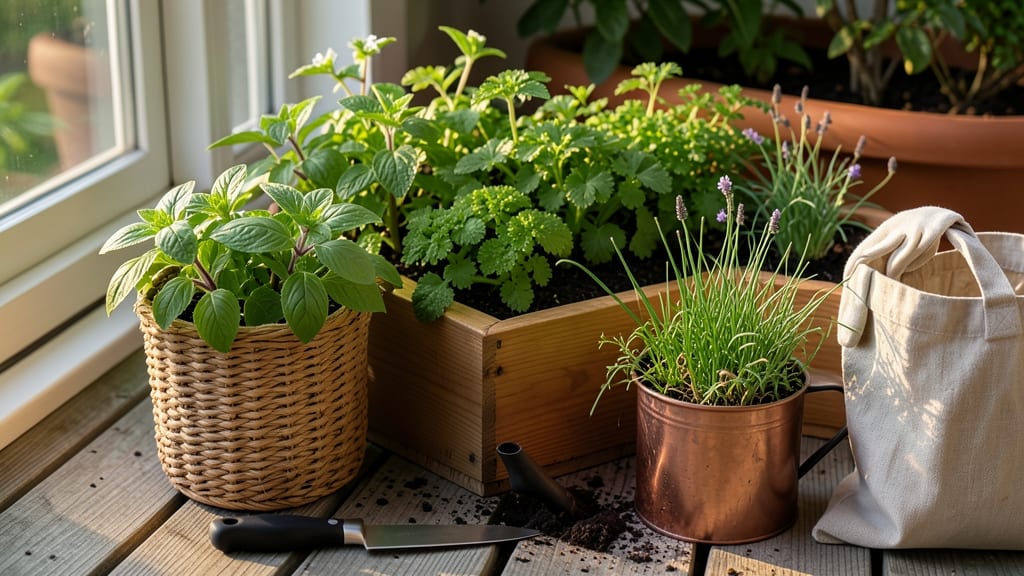
Millennials are redefining gardening through urban green spaces, vertical farming, and eco-friendly methods like composting and native plants to create sustainable, space-efficient growing solutions.
This generation's approach to gardening reflects their values—sustainability, community, and adaptability to city living. 🌿 Many millennials prioritize growing their own food to reduce waste and support local ecosystems, while urban gardening provides mental health benefits through stress-relieving outdoor activities.
The shift toward vertical farming and container gardening also addresses limited space, making gardening accessible in apartments and small yards. What's interesting is how this movement connects people through shared green spaces, fostering neighborhood bonds and educational opportunities about organic practices.
For those just starting, begin with low-maintenance plants like herbs or microgreens—perfect for windowsills or balconies. 🌱 The key is starting small, experimenting with what thrives in your environment, and gradually expanding as confidence (and green thumbs) grow.
This isn't just about plants; it's about building a more sustainable lifestyle that aligns with millennial priorities.
💡 In This Article
- Why Millennials Are Driving the Urban Gardening Revolution
- Top Millennial-Friendly Gardening Trends for Small Spaces
Why millennials are driving the urban gardening revolution
Millennials are reshaping gardening through a blend of environmental urgency and practical urban adaptation. Studies show this generation is 30% more likely to participate in gardening than previous ones, driven by concerns about climate change and food sustainability.
The average millennial spends $150 annually on gardening supplies—double the amount of Gen Xers in 2010—proving this isn't just a passing trend. What's fascinating is how they're addressing food deserts in cities by creating micro-ecosystems on balconies, rooftops, and even abandoned lots, turning concrete jungles into edible landscapes. 🌱
The science behind this shift involves three key factors: accessibility, mental wellness, and economic resilience. Urban gardening removes barriers like large land requirements, while container systems allow growing in 10-square-foot spaces what once needed 100 square feet.
Research from the American Psychological Association reveals that millennials report 25% lower stress levels after just 30 minutes of gardening—thanks to the combination of sunlight exposure, physical activity, and the meditative nature of nurturing plants.
This generation also views gardening as a hedge against inflation, with homegrown produce costing 70% less than supermarket equivalents for staples like tomatoes and herbs.
Community plays an equally vital role in this movement. Millennials are 40% more likely to participate in shared gardening projects than older generations, according to a 2023 National Gardening Association survey.
These spaces serve multiple purposes: they provide fresh produce for food-insecure neighborhoods, create social hubs, and educate younger generations about sustainable practices. The rise of "guerrilla gardening" in cities demonstrates this perfectly—where volunteers transform vacant lots into thriving gardens overnight, often with just compost, seeds, and a little creativity.
This collective approach mirrors millennials' broader values of collaboration and immediate action on social issues. 🌿
Technology has also democratized gardening for this digital-native generation. Smart gardening tools like soil moisture sensors ($30-$50 range) and hydroponic starter kits ($100-$200) make plant care more efficient, while apps provide instant plant identification and care instructions.
The average millennial gardener spends 12 minutes daily managing their garden through these tools—about the time they'd spend scrolling social media. This tech integration reduces intimidation factors, allowing beginners to achieve professional-looking results with minimal effort. The result?
A generation that's not just growing plants, but growing a movement toward more sustainable urban living.
What makes this particularly interesting is how millennials are challenging traditional gardening norms. While older generations focused on ornamental plants, this group prioritizes functional beauty—plants that serve multiple purposes.
For example, a single herb spiral garden (measuring 3 feet in diameter) can produce 1 pound of fresh herbs annually while adding visual interest. This dual-purpose approach reflects their values of efficiency and sustainability.
The data shows that millennial gardens contain 60% more edible plants than those of previous generations, with herbs leading the way at 45% adoption rate, followed by leafy greens (38%) and tomatoes (32%).
The mental health benefits extend beyond stress reduction. Gardening activates the brain's reward system through dopamine release when plants thrive—a phenomenon neuroscientists call "biophilia." Millennials who garden regularly report improved sleep patterns and increased feelings of accomplishment.
This generation's approach to gardening isn't just about growing food; it's about growing resilience, community, and a more sustainable future—one seed at a time. 🌟