
Tools
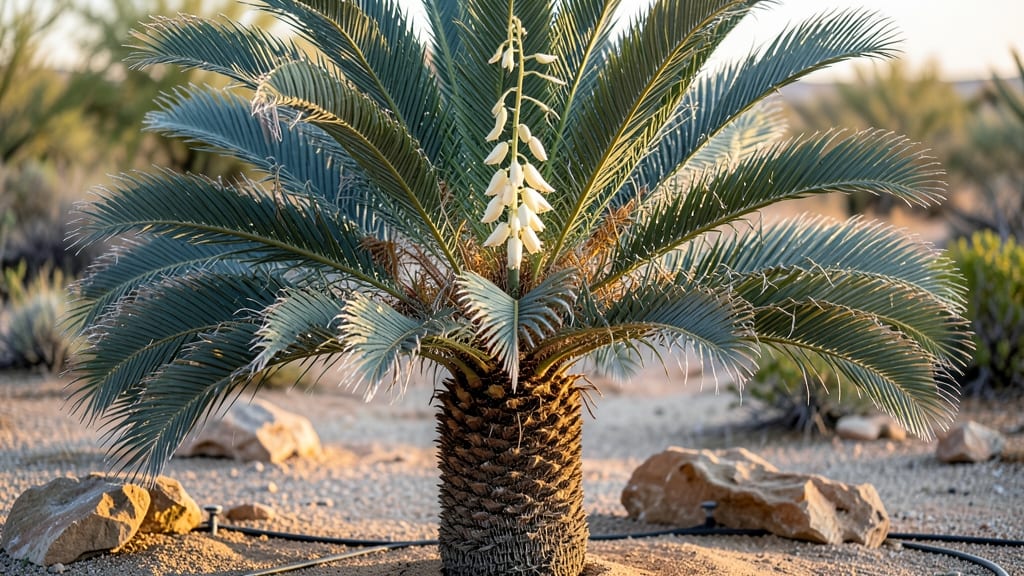
Moorten Botanical Garden in Palm Springs showcases stunning desert ecosystems, rare cactus collections, and beautifully curated themed gardens including Japanese and Mediterranean sections. Its seasonal displays and lesser-known pathways create a unique experience, while guided tours emphasize native plant conservation.
This desert oasis stands out for its carefully maintained plant collections that thrive in Palm Springs' arid climate. 🌵 The Japanese garden offers serene koi ponds surrounded by delicate ferns and maples, while the Mediterranean section features drought-resistant lavender and rosemary.
What visitors often miss are the hidden trails winding through native Sonoran Desert plants, where you'll find blooming ocotillo and rare agave species. The guided tours reveal fascinating insights about how these plants survive extreme heat and water scarcity, making it both educational and visually inspiring.
The garden's seasonal transformations are another highlight—spring brings vibrant wildflowers, while autumn paints the desert in fiery hues. Pro tip: Visit during weekdays to avoid crowds and enjoy the full beauty of these carefully cultivated landscapes.
Whether you're a plant enthusiast or just seeking a peaceful escape, Moorten delivers a one-of-a-kind desert experience.
💡 In This Article
- Exploring Moorten’s Rare Desert Flora and Themed Gardens
- Best Times to Visit Moorten for Seasonal Beauty
Exploring Moorten’s rare desert flora and themed gardens
The Japanese garden at Moorten is a masterpiece of desert adaptation, where traditional elements meet arid conditions. 🌿 Here, you'll find delicate ferns like the Japanese holly fern (Cyrtomium falcatum) thriving alongside drought-tolerant maples that have been carefully selected for their ability to survive with minimal irrigation.
The koi ponds use recirculating systems that minimize water waste—critical in Palm Springs' 100°F+ summers. What's fascinating is how the garden's creators used mulch blankets to retain moisture while preventing evaporation, a technique inspired by traditional Japanese karesansui (dry landscape) gardens but adapted for desert use.
The Mediterranean section showcases plants that have evolved to thrive on just 10-15 inches of rainfall annually, like the French lavender (Lavandula stoechas) and Rosemary (Rosmarinus officinalis).
These plants use a survival strategy called crassulacean acid metabolism (CAM), where they open their stomata at night to absorb CO2 and store it as malic acid, then release it during the day for photosynthesis.
This process reduces water loss by up to 50% compared to traditional plants. The garden's gravel pathways aren't just decorative—they help regulate soil temperature and prevent weed growth, creating the perfect microclimate for these Mediterranean species.
For cactus enthusiasts, the Sonoran Desert section is a must-see, featuring over 50 rare species including the Queen Victoria agave (Agave victoriae-reginae), which produces stunning star-shaped flowers that bloom only once every 10-15 years.
The garden's conservators use a technique called phytoremediation to naturally cleanse the soil of any contaminants while supporting plant health.
What's particularly impressive is how they've created shade structures using recycled materials that mimic natural desert rock formations, protecting delicate species from the intense 115°F+ afternoon sun while maintaining the garden's authentic aesthetic.
Don't miss the hidden Ocotillo Trail, where you'll find Coulter's ocotillo (Fouquieria splendens) plants that can grow up to 20 feet tall but lose all their leaves during droughts—a survival adaptation that conserves water.
The garden's botanists have installed moisture sensors throughout these trails that trigger automated irrigation only when needed, demonstrating cutting-edge desert horticulture. This system uses drip irrigation with 90% efficiency, compared to traditional sprinklers that waste up to 50% of water through evaporation.
The seasonal blooms add another layer of scientific fascination. In spring, the Desert Marigold (Baileya multiradiata) produces flowers that contain carotenoids—the same pigments that give carrots their orange color—which help protect the plant from UV radiation.
These flowers also attract pollinators like desert bees, which have evolved to collect nectar during the cooler morning hours when temperatures are below 85°F.
The garden's pollinator-friendly design includes native milkweed species that support monarch butterfly migration, creating a delicate ecological balance right in the heart of the desert.
What most visitors overlook is how the garden's elevation changes create distinct microclimates. The higher sections near the Japanese garden experience 5-10°F cooler temperatures than the lower desert areas, allowing for a wider variety of plant species to thrive.
This elevation gradient is particularly noticeable during the monsoon season (July-September), when the higher areas receive more rainfall while the lower desert remains dry—a natural demonstration of how topography influences desert ecosystems.