
Tools
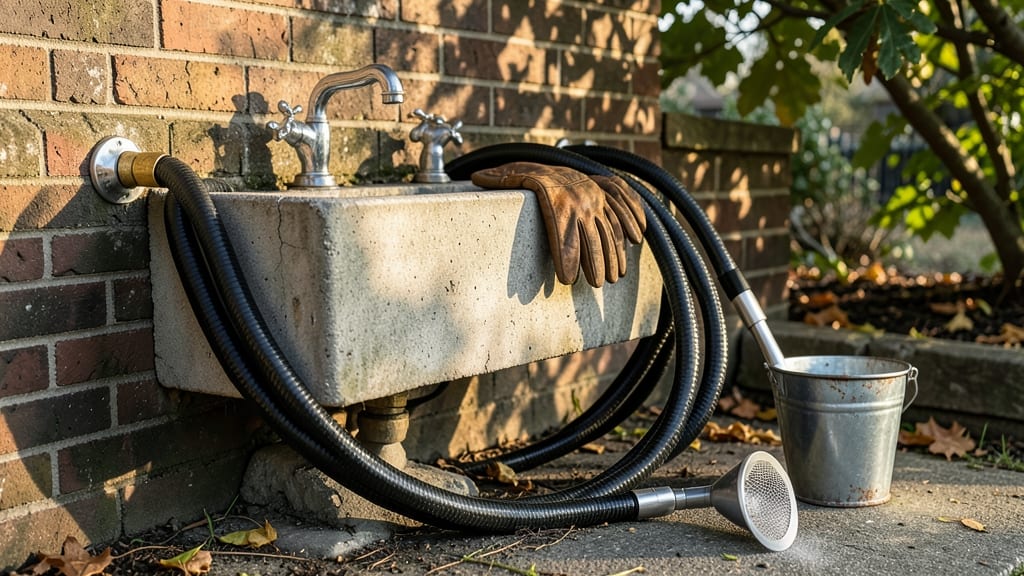
An outdoor garden hose sink provides a dedicated water source for gardening tasks, allowing you to water plants, clean tools, and rinse off debris without relying on indoor plumbing. Position it near your garden area with proper drainage and frost-resistant materials to ensure long-lasting functionality.
This handy setup gives you a convenient spot to handle all your gardening chores without hauling hoses indoors. 🌿 The right location—ideally near your garden but with shade to protect from extreme temperatures—makes a huge difference in usability.
For durability, I recommend stainless steel or heavy-duty PVC pipes, especially if you live in areas with freezing winters. A small drain or slope in the installation prevents water pooling, which could lead to rust or mold over time.
When planning your installation, consider the water pressure from your source—most outdoor taps can handle the flow, but check for leaks during testing. Adding a simple valve lets you shut off water completely when not in use, saving water and preventing frozen pipes in colder months.
💡 In This Article
- Choosing the Right Location and Materials for a Garden Hose Sink
- Step-by-Step Outdoor Hose Sink Installation Guide
Choosing the right location and materials for a garden hose sink
Location is everything when placing your outdoor hose sink. The ideal spot balances convenience and protection—within 10-15 feet of your garden beds for easy access, but under a 10% overhang or shade structure to shield from direct sunlight and freezing temperatures.
Sun exposure accelerates material degradation, especially with plastic components, while proximity to your water source minimizes pressure loss. Consider installing near a drip irrigation zone if you want to combine watering functions with tool rinsing.
Material selection depends on climate and usage frequency. Copper pipes offer corrosion resistance but cost more upfront, while PVC is budget-friendly but may degrade faster in UV exposure. Stainless steel sinks (like 304-grade) resist rust and frost but require proper sealing at joints.
For frost-prone areas, bury the water line at least 18 inches deep or use heat tape around exposed pipes. A frost-free spigot with an insulated valve prevents pipe bursts by keeping water flowing when temperatures drop below 32°F.
Drainage is often overlooked but critical—water pooling around the sink base creates breeding grounds for mosquitoes and accelerates rust. Install a 1-inch PVC drain pipe sloping downward at a 1:40 ratio (1 inch drop per 40 inches) to direct runoff away from the foundation.
For concrete sinks, add a gravel bed beneath to improve drainage and prevent waterlogging. If your sink lacks a built-in drain, create a slight 1-2° tilt during installation to encourage natural runoff.
Consider your water pressure needs too. Most outdoor taps provide 40-60 PSI, but heavy-duty hoses may require 80 PSI for optimal flow. If your sink connects to a garden hose bib, ensure it has a 3/4-inch female thread for compatibility.
For high-volume tasks like rinsing large pots, opt for a 1/2-inch brass ball valve that handles 10-15 GPM flow rates without pressure drops.
What most people don't realize is how material interactions affect longevity. For example, galvanized steel sinks corrode when paired with copper pipes due to electrochemical reactions. Always use dielectric unions or plastic pipe nipples as separators.
In coastal areas, salt spray can corrode metal components within 2-3 years, so choose marine-grade stainless steel or CPVC (chlorinated polyvinyl chloride) for added protection.
Pro tip: Mark your sink's location with a stake and string before digging to avoid damaging underground utilities. Most municipalities require digging at least 18 inches deep for water lines, but check local codes—some areas mandate 24 inches for frost protection. 🌡️