
Planting
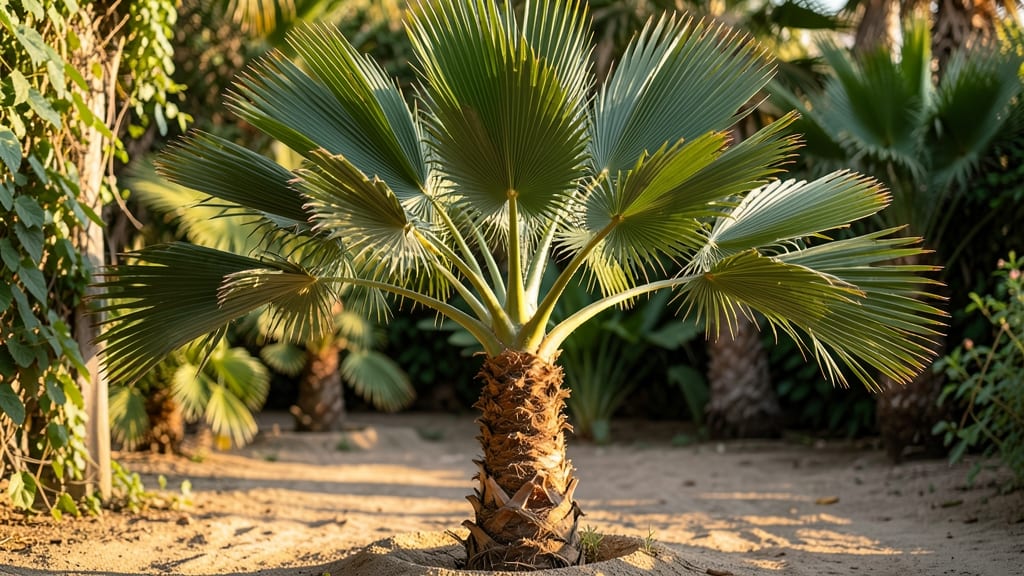
Phoenix gardening thrives in USDA Hardiness Zones 9b-10a, where scorching summers and mild winters create ideal conditions for drought-resistant plants. Native desert species and heat-tolerant varieties grow year-round, while cold-sensitive plants need careful seasonal timing to avoid frost damage.
Phoenix's desert climate isn't just about heat—it's about the 100+ degree summers that last for months and the rare frost events that can catch gardeners off guard. 🌵 The city's elevation (1,100 feet above sea level) creates microclimates where some areas stay cooler than others, especially near water features or shaded spots.
This means your garden's success depends on understanding both the official zone designation and your specific location's nuances, like whether you're in the urban core or a higher-elevation neighborhood.
Most gardeners here focus on xeriscaping techniques—using plants that naturally thrive with minimal water—and adjust their planting schedules to avoid the monsoon season's sudden downpours (July-September).
The key is working with Phoenix's rhythm rather than against it, which means choosing the right plants for each season and preparing for both extreme heat and occasional cold snaps.
💡 In This Article
- Phoenix’s Unique Climate Zones and Microclimates
- Seasonal Planting Calendar for Phoenix Gardens
Phoenix’s unique climate zones and microclimates
Phoenix’s placement in USDA Hardiness Zones 9b-10a reflects its extreme desert climate, where summer temperatures routinely exceed 110°F and winter lows rarely drop below 30°F.
The city’s 1,100-foot elevation creates microclimates that can shift planting zones by up to 2°F per 1,000 feet—meaning higher areas (like North Phoenix) may experience slightly cooler conditions than downtown. These variations explain why a plant thriving in one neighborhood might struggle just miles away.
The most critical factor is the urban heat island effect, where asphalt and concrete absorb and radiate heat, raising temperatures by 5-10°F compared to rural areas.
This creates "hot pockets" where frost-sensitive plants like citrus or bougainvillea may need winter protection, even in Zone 10a. Monsoon season (July-September) adds another layer: sudden 1-2 inch downpours can drown shallow-rooted plants if soil isn’t amended with 30-50% organic matter to improve drainage.
For gardeners, this means elevation mapping is essential. Use tools like the USDA Plant Hardiness Zone Map combined with local weather data from stations like Sky Harbor Airport (which records official temps).
For example, palm trees (Zone 10a) may survive winters in lower elevations but need windbreaks or mulch in cooler microclimates. The key is matching plant hardiness to your specific microzone—not just the city’s overall designation.
Soil composition adds complexity: Phoenix’s caliche layer (a dense, limestone-rich subsoil) sits just 12-18 inches below the surface, restricting root growth for many plants. Native species like desert marigold or ocotillo thrive here because their roots penetrate this layer, while non-natives often require deep amending with compost or raised beds.
This geological quirk explains why some "Zone 10" plants fail despite the official designation.
Consider these three microclimate factors that override the general zone:
- Elevation: Every 1,000 feet gain drops temps by 3-5°F—critical for frost-sensitive plants
- Urban heat islands: Downtown can be 10°F hotter than outlying areas, affecting water needs
- Monsoon timing: July-September rains create anaerobic soil conditions if drainage is poor
Pro tip: Use shade cloth in summer to protect heat-sensitive plants like rosemary (which prefers Zone 8-9) from 115°F+ afternoons. The right microclimate adjustments can turn Phoenix’s challenges into opportunities for year-round gardening success. 🌵