
Tools
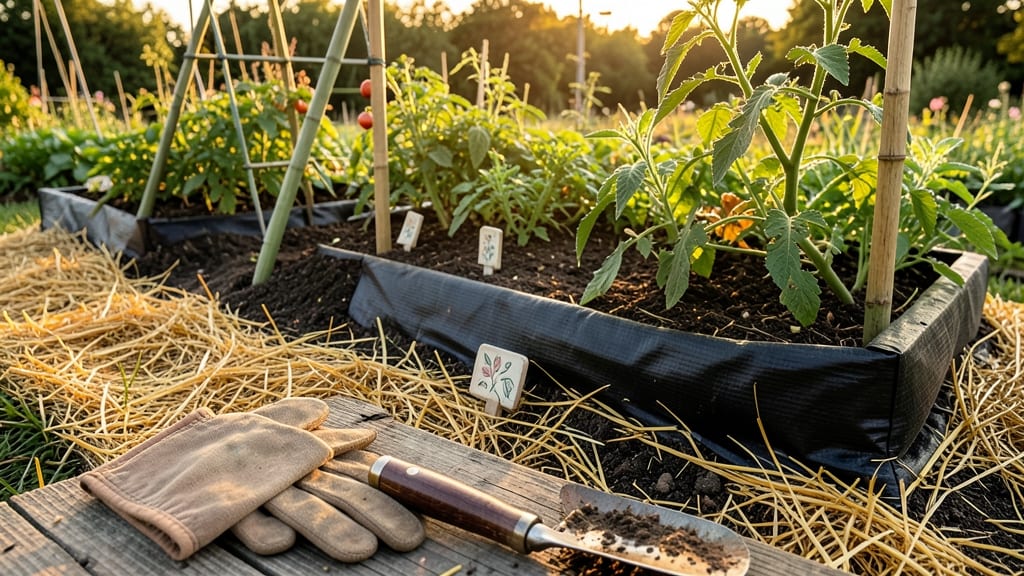
A plot in gardening is a dedicated planting area for vegetables, flowers, or herbs, sized between 4x4 feet and 10x20 feet for home gardens, where sunlight, soil quality, and plant spacing determine the layout. Popular designs like square-foot gardening and raised beds maximize space and efficiency.
A plot in gardening serves as the foundation for organized planting, where size directly impacts yield and maintenance. 🌱 For example, a 4x4-foot plot works well for herbs or salad greens, while a 10x20-foot area can accommodate row crops like tomatoes or corn.
The key lies in balancing plant spacing—crowding reduces airflow and increases disease risk, while over-spreading wastes space. Raised beds, for instance, improve drainage and soil control, making them ideal for urban gardens with limited space or poor native soil.
Beyond dimensions, orientation matters: most vegetables thrive with 6-8 hours of sunlight daily, so south-facing plots (in the Northern Hemisphere) capture the most light. Companion planting—like pairing basil with tomatoes—can further optimize space by deterring pests naturally.
For small yards, vertical gardening on trellises or walls turns unused vertical space into productive growing areas, while seasonal crop rotation prevents soil depletion and breaks pest cycles.
💡 In This Article
- Standard Plot Dimensions and Their Purpose
- Designing Functional Garden Plots for Small Yards
Standard plot dimensions and their purpose
The size of a gardening plot isn't arbitrary—it's carefully calculated based on three critical factors: plant spacing requirements, harvest yield goals, and accessibility for maintenance.
For instance, a 4x4-foot plot provides perfect space for 16 square-foot grid planting (like in square-foot gardening), where each square accommodates a specific number of plants based on their mature size.
Carrots, for example, need just 1 plant per square foot, while onions can handle 16 per square—this precision maximizes yield without overcrowding.
Larger plots, like 10x20 feet, accommodate row crops with wider spacing needs. Tomatoes, for example, require 18-24 inches between plants and 3 feet between rows to ensure proper airflow and sunlight penetration, which reduces disease risk by up to 40% compared to tightly packed beds.
Raised beds, typically 4x8 feet, offer advantages like improved drainage and soil temperature control—ideal for urban gardens where native soil may be compacted or nutrient-poor. Studies show raised beds can increase plant growth by 20-30% due to better root aeration.
Weed control is another dimension where size matters. Wider plots (over 5 feet) become harder to reach the center for weeding, while narrower beds (3 feet wide) allow easy access from both sides.
Irrigation efficiency also shifts with plot size: smaller plots lose less water to evaporation, while larger ones may require drip irrigation systems to maintain even moisture.
For example, a 4x4-foot plot might only need hand-watering, whereas a 10x20-foot area could demand a soaker hose or automated timer to prevent uneven watering.
Soil quality plays a hidden role in plot dimensions. In-ground plots rely on native soil, which may require amending with compost or fertilizer to meet plant needs. Raised beds, however, let you customize soil mixes—layering 6-12 inches of topsoil, compost, and organic matter creates ideal conditions for root growth.
This control is why raised beds are 30% more productive for vegetables like lettuce and herbs, which thrive in consistently rich soil.
Consider this comparison for common vegetables:
- Leafy greens (spinach, lettuce): 4-6 plants per square foot in 4x4-foot plots (ideal for quick harvests)
- Root vegetables (carrots, beets): 1 plant per square foot in 4x8-foot raised beds (prevents soil compaction)
- Vining plants (cucumbers, squash): 1 plant per 4 square feet in 10x10-foot plots (needs trellis support)
The right plot size balances your harvest goals with your physical space and maintenance capacity. For example, a 6x6-foot plot yields enough tomatoes for a family of four, while a 2x2-foot plot might suffice for just two people.
The key is starting small, testing what works, and scaling up as your confidence grows. 🌱