
Advice
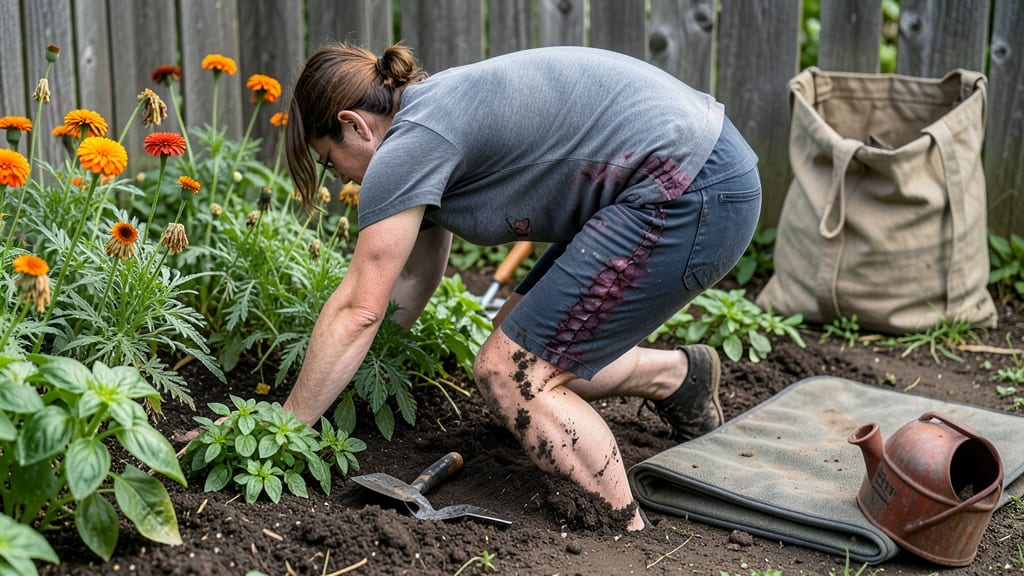
Severe lower back pain after gardening often results from poor lifting techniques, extended periods of bending, or overworking back muscles during heavy tasks like moving soil or carrying tools. Prevent flare-ups by incorporating dynamic stretches before starting, choosing ergonomic equipment, and pacing yourself with regular movement breaks.
When you're hunched over digging or twisting to reach plants, your lumbar spine absorbs up to three times your body weight in pressure. 🔥 This explains why even short gardening sessions can trigger sharp pain if your core isn't supporting your movements.
I've found that combining cat-cow stretches with pelvic tilts before gardening significantly reduces my risk of flare-ups by activating stabilizing muscles. The key is treating your garden like a workout—warm up, move mindfully, and listen to your body's limits.
For existing pain, the ice-and-heat rule works wonders: apply ice for the first 48 hours to reduce inflammation, then switch to heat to relax tense muscles. Pro tip: keep a small microwavable heat pack in your gardening bag for quick relief between tasks.
Many people overlook how tool weight contributes to strain—opt for lightweight, extended handles to minimize bending and twisting motions.
💡 In This Article
- How Gardening Movements Trigger Lower Back Pain
- Ergonomic Gardening Tools to Reduce Back Strain
How gardening movements trigger lower back pain
Gardening places immense stress on your lumbar spine because the movements often involve poor biomechanics—like bending at the waist instead of the hips. When you dig or kneel, your lower back bears up to 500% of your body weight, especially if you round your spine.
This happens because the lumbar vertebrae aren’t designed to handle such prolonged compression, particularly when your core muscles aren’t engaged to stabilize your torso. 🔥 The repetitive nature of gardening tasks (like weeding or raking) compounds this strain by fatiguing muscles over time, leaving your spine vulnerable to micro-tears and inflammation.
Twisting motions—like reaching for tools or turning to grab plants—are another major culprit. Each sudden twist can generate up to 3,000 newtons of force on your lumbar discs, equivalent to lifting a 68-pound weight while rotating.
This is why many gardeners experience sharp pain on one side of their lower back after repetitive twisting, often near the L4-L5 vertebrae, a common weak point.
Weak core muscles (abs, obliques, and lower back) amplify this risk, as they’re responsible for 60% of spinal stabilization during dynamic movements like digging or lifting.
Kneeling or squatting for extended periods also contributes to pain by compressing the sciatic nerve and reducing blood flow to the lower back muscles.
Studies show that static postures (like kneeling without movement) increase intradiscal pressure by 20-30%, while dynamic movements (like shifting your weight) help distribute this pressure more evenly. This is why gardeners often feel numbness or tingling in their legs after long sessions—signs of nerve compression or muscle fatigue.
Muscle fatigue accelerates injury risk because tired muscles lose 30-40% of their stabilizing strength, forcing your spine to compensate. For example, if you spend 30 minutes digging without breaks, your erector spinae muscles (which support your lower back) can become so fatigued that they struggle to maintain proper alignment.
This misalignment leads to overstretched ligaments and heightened sensitivity to pain, even after you’ve finished gardening.
Here’s what’s happening at a cellular level: When muscles fatigue, they release lactic acid and inflammatory cytokines, which irritate nerve endings in your lower back. This explains why pain often worsens the next day—your body is still processing the micro-damage from gardening.
The good news? Preventative stretching (like pelvic tilts or hamstring stretches) before gardening can reduce lactic acid buildup by up to 25%, making your muscles more resilient to strain.
To visualize the strain, imagine your spine as a coiled spring. When you bend forward without bending your knees, the spring compresses unevenly, creating hotspots of pressure on specific vertebrae.
Over time, this uneven pressure leads to disc degeneration or muscle spasms, both of which can cause severe pain. The solution? Treat gardening like a low-impact workout—warm up, move intentionally, and take 2-3 minute breaks every 20 minutes to reset your posture.